OEM/ODM Powered Pallet Jack Manufacturer & Factories
Source electric pallet jacks, powered stackers and warehouse trucks from a China-based partner with SGS-assessed operations, full customization and export-ready documentation for private-label programs, rental fleets and volume distributors.
Powered Pallet Jack & Stacker Products for OEM/ODM Programs
These eight product platforms cover the most common requests from importers, dealers and fleet buyers: cold-store pallet jacks, narrow-width walkie trucks, stand-on stackers, high-rack stackers and maintenance-free warehouse models.
 OEM / ODM
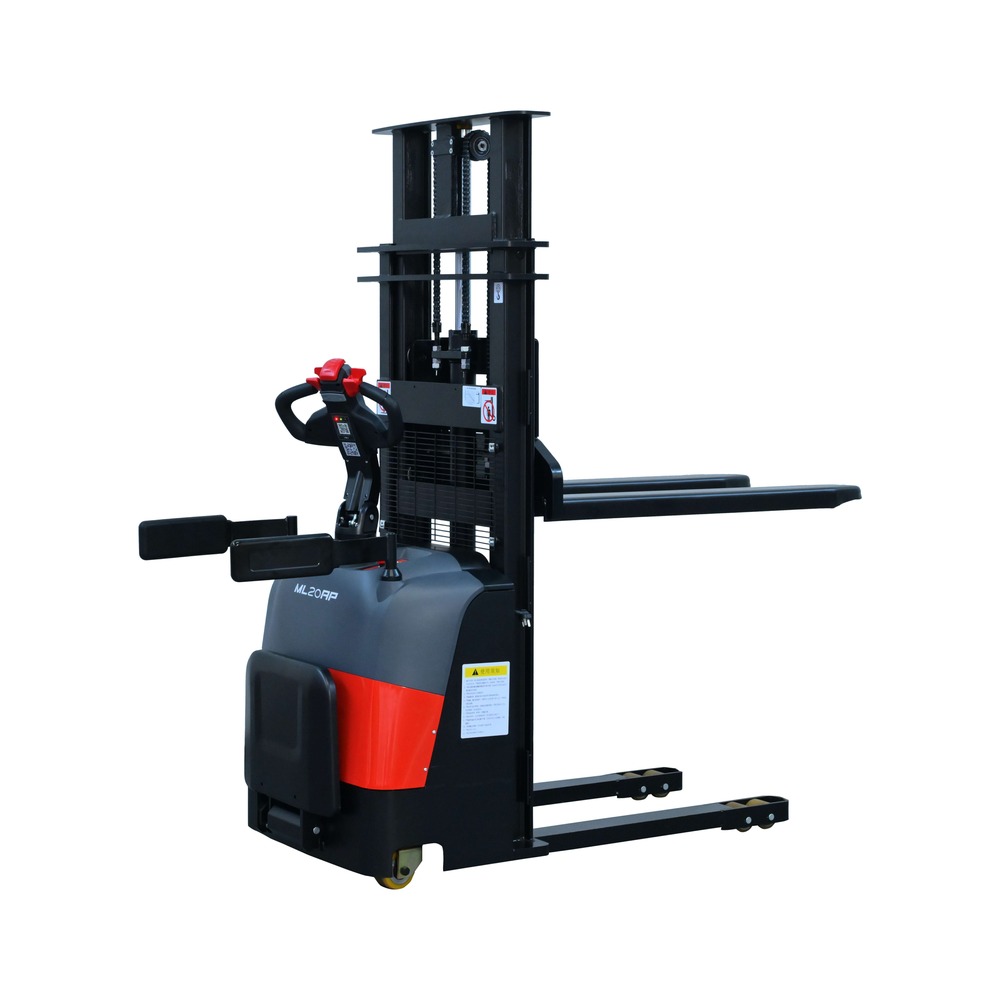
2000kg Stand on Electric Pallet Stacker 3.41m Lift Height Pallet Stacker Truck Channel Steel Mast 1480mm Turning Radius
A stand-on electric pallet stacker for high-rack work where stability and a compact turning radius matter. The 3.41 m lift and channel-steel mast make it a strong candidate for branded OEM stacker programs.
View configuration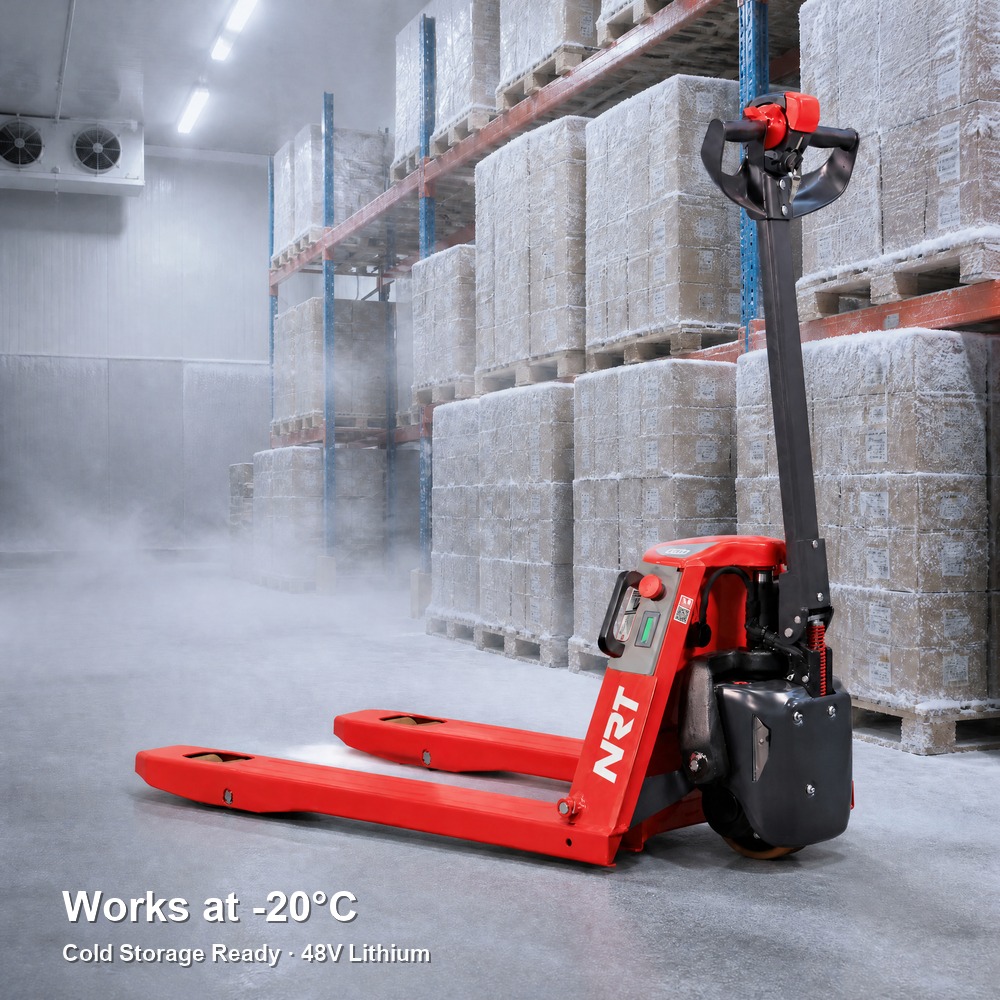 Cold store
Electric Pallet Jack 2000kg with 48V Lithium Battery 6s Swap 300mm Slim Body Climbing 9% for Cold Storage -20C
Built for cold-chain and multi-shift pallet transport. The 48V lithium platform, slim 300 mm body and 9% climbing capability matter when freezer rooms, ramps and quick battery swaps are part of the route.
View configuration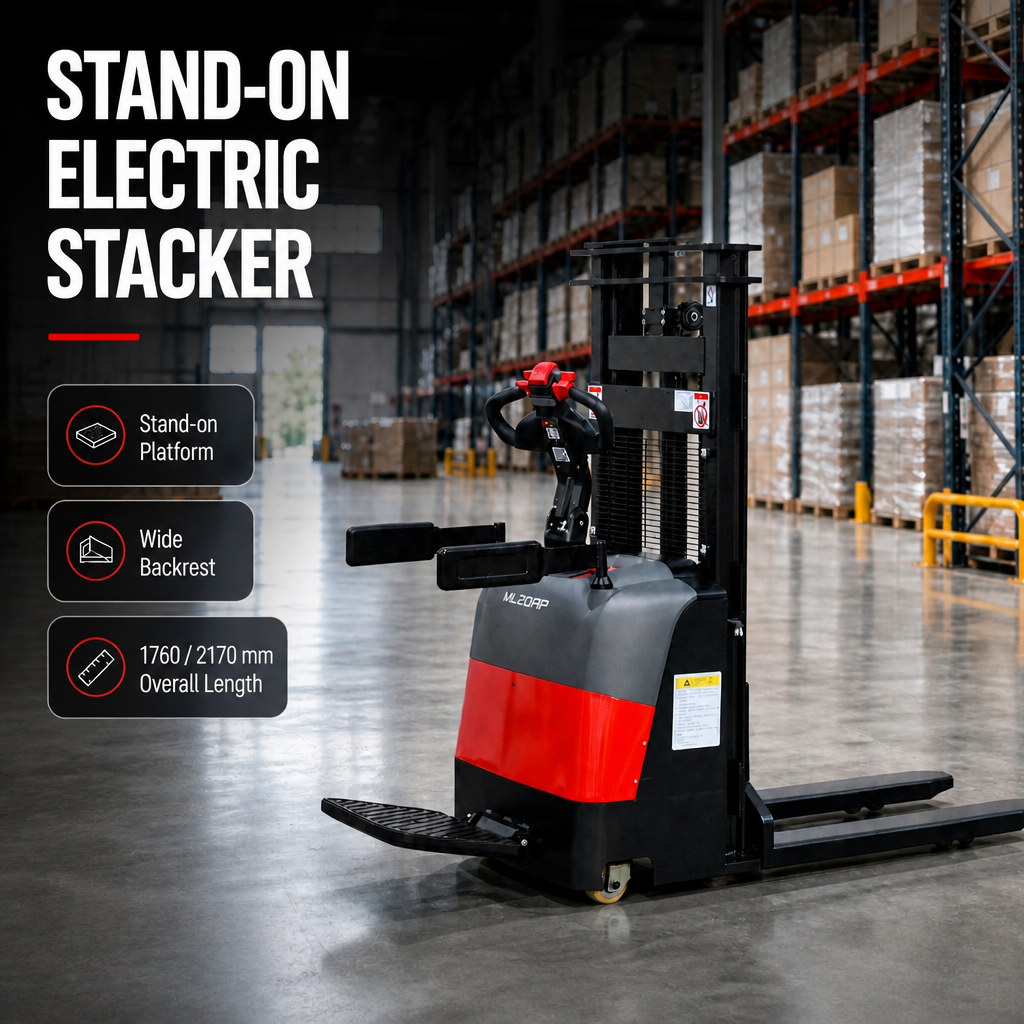 Warehouse
Electric Stacker Truck 2000kg Pallet Stacker Forklift 3410mm Lift for Warehouse Loading Unloading
A 2,000 kg electric stacker truck with 3,410 mm lift for warehouse loading and unloading. Useful for distributors that want a stacker and forklift-style workflow from one factory partner.
View configuration Narrow width
2000kg Walkie Electric Pallet Jack 685mm Width Narrow Fork Pallet Truck with Lithium Battery for Container Loading
A narrow 685 mm walkie electric pallet jack for container loading, retail backrooms and dense storage. A practical OEM platform when your market needs lithium power in a compact footprint.
View configuration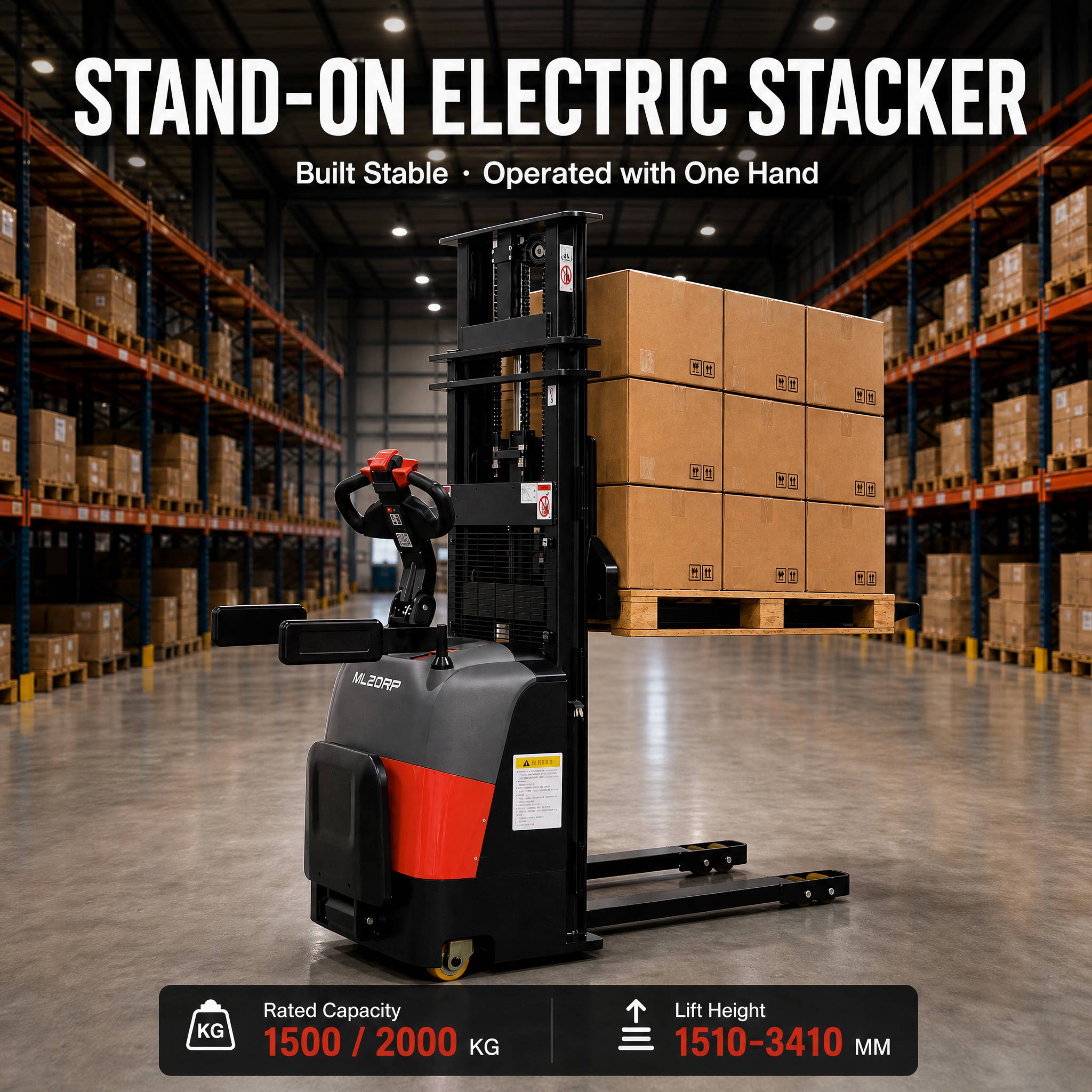 High rack
Channel Steel Mast Electric Pallet Stacker 2000kg 90mm Lowered Fork Height Stable High Rack Stacking
A channel-steel mast stacker with a 90 mm lowered fork height for stable high-rack stacking. Good for buyers comparing structural rigidity, service access and repeatable pallet placement.
View configuration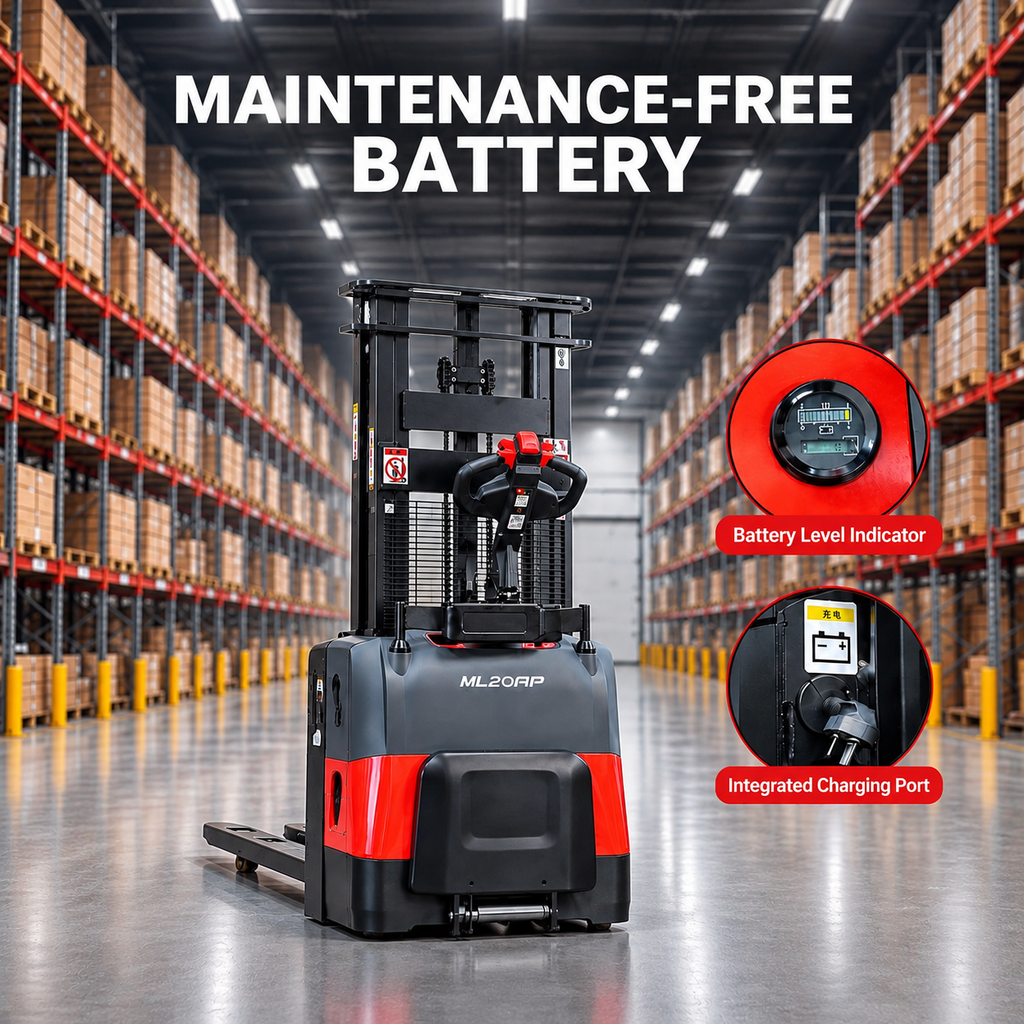 Retail & farm
Stacker Forklift Electric 1500kg 2000kg for Retail Backroom Farm Feed Store Pallet Stacking Work
A 1,500 kg to 2,000 kg electric stacker forklift for retail backrooms, farm feed stores and mixed pallet stacking. Its value is flexibility across sites where one standard chassis can serve several applications.
View configuration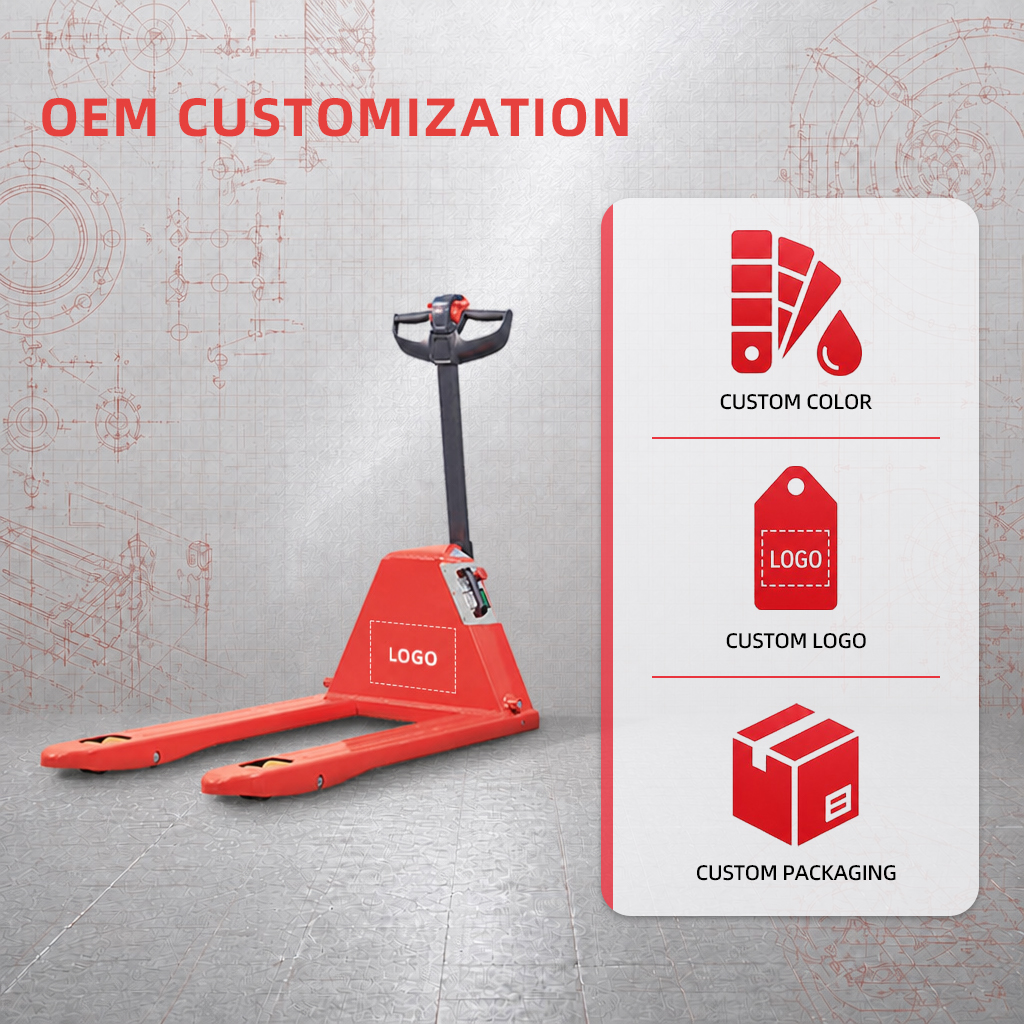 Logistics
Efficient 2 Ton Electric Pallet Jack 2000kg Capacity: Best Material Handling Solution for Logistics Centers 2026 Hot Sale
A 2-ton electric pallet jack aimed at logistics centers and high-frequency horizontal movement. A sensible volume OEM model when fast availability, spare-part commonality and operator acceptance matter.
View configuration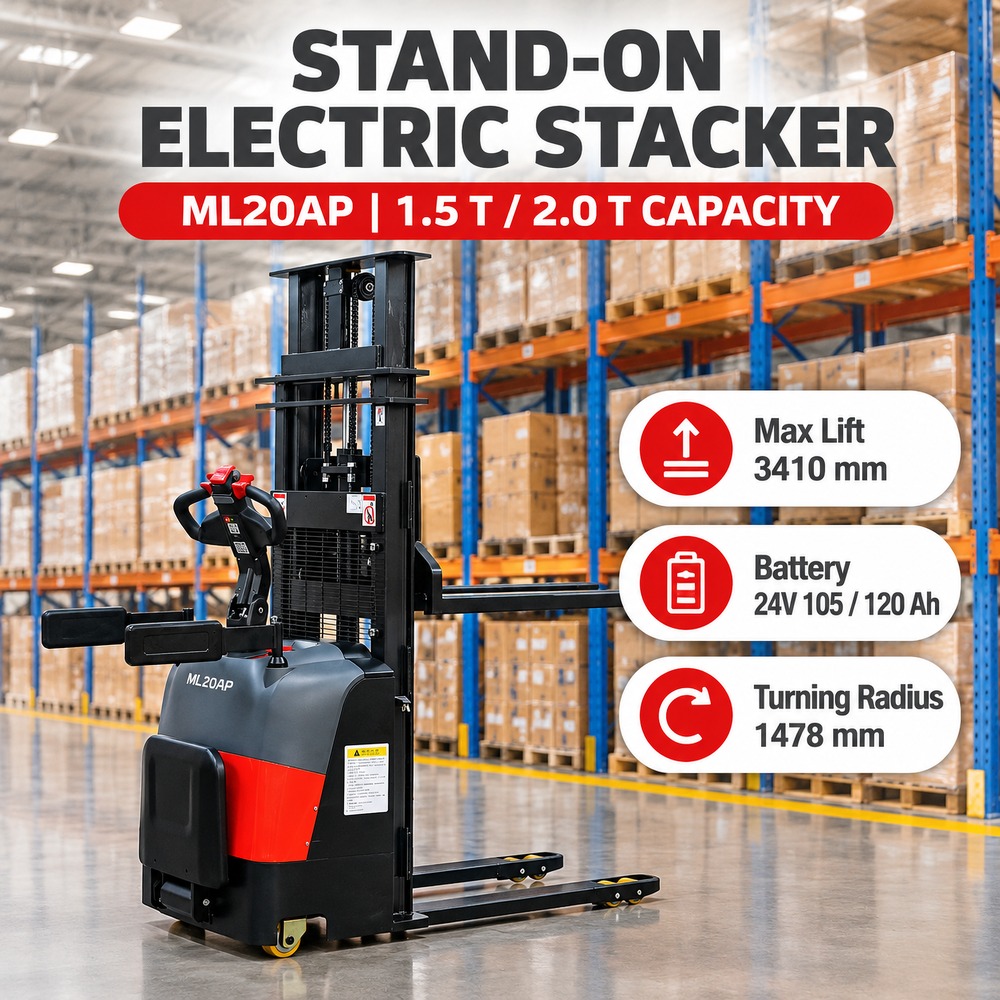 Maintenance-free
Warehouse Stacker Truck 1500kg 2000kg Electric Pallet Stacker 24V 105Ah Maintenance Free Battery
A warehouse pallet stacker with 24V 105Ah maintenance-free battery for regular stacking duties. Suited to buyers who want fewer battery service tasks and a straightforward electric upgrade path.
View configurationNeed a configuration that is not listed? Share your load center, lift height, aisle width, battery preference, branding and destination market for an OEM/ODM recommendation.
Get a QuoteWhat Buyers Really Mean by OEM/ODM Powered Pallet Jack Manufacturer & Factories
A buyer searching this phrase is usually comparing proof, not just products. They want to know who builds the chassis, who controls battery and controller integration, who performs pre-shipment inspection, and who will support spare parts after the first container.
Manufacturer, trading company, or ODM partner?
A real OEM/ODM partner must demonstrate production capability, design control, quality records and a spare-parts strategy. Catalogue depth alone does not prove factory depth. Pexal supports its profile with an SGS-assessed supplier assessment, onsite check and a 220,000 m² partner manufacturing campus.
A specification sheet is not a customization program
Logo and paint are only the first layer. For powered pallet jacks, the real customization variables are fork width, lowered fork height, lift height, battery voltage and capacity, BMS settings, controller tuning, charger type, packaging, manual language and destination-market documentation.
After-sales support belongs in the first quote
A low unit price can hide expensive downtime. Ask how wear parts, controllers, batteries, chargers and manuals will be supplied across the product life. Standardized components and a multi-category supplier reduce the number of vendors your team must manage.
OEM vs ODM vs Private Label: Choose the Manufacturing Model First
The fastest way to reduce project risk is to choose the manufacturing model before requesting a price. Buyers who treat OEM, ODM and private label as interchangeable often compare quotations that are not technically like for like.
OEM production for your brand
Best when you already control the specification and need the factory to build to your drawing, branding and inspection plan. Lock the technical package, sample approval criteria and packaging artwork before production begins.
ODM platform adaptation
Best when speed matters. Start from an existing electric pallet jack, stacker or warehouse truck design, then adapt battery, controller, branding, packaging and market-specific details. This route can shorten development while preserving proven mechanical architecture.
Private-label distributor program
Best for dealers and rental fleets that need consistent branding across several warehouse product categories. The purchasing team should still confirm chassis commonality, spare-part lists, label durability and manual quality, because private label without serviceability creates long-term cost.
Powered Pallet Jack Recommendations by Real Warehouse Workflow
The same 2,000 kg capacity can behave very differently depending on load center, fork width, aisle geometry and shift duration. These recommendations are starting points; final selection should follow a specification review.
Cold storage and freezer rooms
A 48V lithium powered pallet jack with slim body, fast battery exchange and cold-store positioning gives procurement a stronger starting point than a standard lead-acid jack. Confirm charging plan, low-temperature lubrication and condensation protection.
Container loading and narrow forks
When the pallet moves from container floor to dock, fork width and chassis clearance matter more than headline capacity. The 685 mm narrow walkie configuration is relevant for tight trailer and container work.
High-rack stacking at 3.41 m
A stand-on electric stacker with channel-steel mast and 1,480 mm turning radius is designed for repeated high-level put-away. Check rack beam clearance, free lift and operator visibility before confirming the model.
Retail backroom and farm feed store
For mixed pallet sizes and moderate stacking height, a 1,500 kg to 2,000 kg electric stacker forklift gives smaller sites a practical upgrade from manual handling without over-specifying a full counterbalance fleet.
Logistics center horizontal transfer
High-frequency dock-to-staging movement requires fast operator adoption, stable braking and simple service access. A 2-ton electric pallet jack is often the volume workhorse in this workflow.
Multi-shift warehouse stacking
A 24V 105Ah maintenance-free battery reduces routine battery service tasks. Before scaling, confirm the daily ampere-hour consumption, charging window and replacement strategy across the intended service life.
Evidence Over Claims: Why Buyers Shortlist Xiamen Pexal Technology Co., Ltd.
Xiamen Pexal Technology Co., Ltd. was founded in Xiamen, Fujian in 2024 as the sales, service and technical support base for Pexal material handling equipment. We work hand in hand with a 220,000 m² partner manufacturing campus employing more than 1,200 people, including over 100 engineers.
SGS-assessed supplier profile
Our company has passed a supplier assessment and onsite check carried out by SGS Group. Business type, main products, main markets and capabilities have been reviewed onsite. Buyers can review the assessment record before ordering.
Factory depth for repeat programs
The 220,000 m² partner manufacturing campus and 1,200+ workforce support container orders and recurring dealer stock. For OEM/ODM programs, scale matters most when it is matched with consistent QC and stable component sourcing.
Full customization and ODM service
Pexal offers sample-based customization, full customization and ODM services, including mast height, fork length, battery type, color, logo and attachment configuration. This is supported by a team of more than 100 engineers focused on electric warehouse equipment.
Five main export regions
Our main export markets are Western Europe, North America, South America, Eastern Europe and Oceania, serving dealers, rental companies and end users. We understand that voltage, documentation and after-sales expectations vary by market.
Trade terms and payment flexibility
We accept FOB, CFR, CIF, EXW, FCA, CPT, CIP, DDP and other common delivery terms. Payment methods include T/T, L/C, D/P, D/A, Western Union, PayPal, credit card and escrow, with accepted currencies including USD, EUR, GBP, JPY, CAD, AUD, HKD, CHF and CNY.
Verified media and trade records
Buyers can review our verified company video, credit index, trade capacity, transaction level and trade history. These records reduce the unknowns in a first or repeat OEM/ODM order.
Price Is Only One Line in the Powered Pallet Jack TCO Model
For powered pallet jacks, total cost of ownership is driven by uptime, charging discipline, service response and spare-part availability. The weighting below is an illustrative evaluation model, not a market statistic; adapt it to your operation.
Illustrative procurement weighting
How to normalize supplier offers
- Compare rated capacity at the actual load center, not the headline number.
- Confirm usable battery energy, charger type and charge window.
- Ask for pre-shipment test criteria and documentation language.
- Check fork width, lowered fork height, lift height and turning radius against the aisle.
- Calculate spare-part kits, manual language and packaging in the landed cost.
- Add a sample or pilot unit before scaling an OEM program.
Send your application data for a normalized configuration and quotation.
Get a QuoteFuture Procurement Trends for OEM/ODM Powered Pallet Jack Programs
Procurement teams are moving away from one-off purchases toward repeatable platform decisions. The following trends are visible in conversations with distributors, rental fleets and warehouse operators planning 2026–2030 equipment cycles.
TCO replaces lowest unit price
Buyers increasingly compare energy use, service labour, downtime risk and spare-part availability. A slightly higher initial price can be the better decision when the platform is easier to maintain across a fleet.
Lithium and opportunity charging become default questions
More RFQs now ask for lithium battery options, charger compatibility and charging windows. This is especially relevant for cold storage, multi-shift warehouses and operations that cannot dedicate a long battery-change break.
Supplier consolidation reduces spare-part complexity
Instead of buying pallet trucks, stackers and forklifts from separate suppliers, distributors are consolidating with partners who can cover multiple categories and support a shared spare-parts strategy.
Digital evidence enters the RFQ
Verified videos, trade records, online catalogues and clear specification sheets shorten the trust-building process. Procurement teams want evidence that can be reviewed internally before a factory audit or sample order.
Safety accountability moves upstream
Braking, stability, visibility and operator training are increasingly discussed at the purchasing stage. OEM buyers should ask how safety features and warning labels will be adapted for local language and site rules.
Incoterms and regional documentation become planning variables
Flexible delivery terms from EXW to DDP help distributors plan landed cost, while manual language, packaging marks and destination documentation are increasingly reviewed together with the technical specification.
Product Development Trends Shaping the Next Generation of Powered Pallet Jacks
The next generation of electric pallet jacks and stackers will be judged less by a single capacity number and more by how well the platform integrates power, safety, service data and application flexibility.
Modular platforms for OEM/ODM flexibility
Shared chassis, mast and controller architectures let buyers add market-specific batteries, branding, packaging and guards without redesigning the whole machine. Modularity also reduces spare-part proliferation.
Smarter battery management
BMS monitoring, temperature protection and charger communication are becoming more important for cold stores and multi-shift operations. Buyers should ask which parameters are visible to service teams and what data is logged.
Slimmer bodies and tighter turning
Warehouse space is expensive. Slimmer electric pallet jacks and stackers with tighter turning radii help distributors address container loading, retail backrooms and dense storage without moving to larger equipment.
Ergonomics and operator visibility
Humanized controls, stable standing platforms and clear sightlines reduce training time and fatigue. For OEM programs, these details can be adapted with local-language labels and market-specific operator preferences.
Cold-store and harsh-environment packages
Freezer rooms, food plants and dusty backrooms require more than a standard chassis. Custom seals, lubrication, battery strategy and wash-down considerations should be reviewed together with the base machine.
Automation-ready interfaces
Powered pallet jacks are increasingly viewed as part of a broader material handling system. Mechanical interfaces, sensor options and communication readiness should be discussed with suppliers planning AGV or fleet-management upgrades.
Powered Pallet Jack Procurement Checklist
Use the same four-step framework for every supplier so the final decision reflects the application, not just the quotation format.
Define the load and duty cycle
Record maximum pallet weight, load center, pallet type, lift height, hours per shift and shifts per day. Capacity alone is not enough for a safe configuration.
Measure the building
Check aisle width, door height, rack beam clearance, floor condition, ramp gradient and charging location. These measurements often decide between a walkie jack and a stacker.
Fix the commercial and compliance frame
Confirm Incoterms, payment method, currency, packaging, manual language, spare-parts list and destination documentation before the final price comparison.
Validate before scaling
Use a sample, pilot unit or pre-shipment inspection plan to confirm build quality, branding and performance before placing a repeat OEM/ODM order.
OEM/ODM Powered Pallet Jack Manufacturer & Factories FAQ
Direct answers to the questions importers, dealers and fleet managers ask before selecting a powered pallet jack supplier.
What is the difference between a powered pallet jack and an electric pallet stacker?
A powered pallet jack is mainly designed for horizontal pallet transport, loading and unloading. An electric pallet stacker adds a mast and lifting capability for placing pallets onto racking or stacking loads. Choose based on lift height, racking layout, load weight and how often the pallet must be raised.
Can you build an OEM/ODM powered pallet jack with our logo, color, voltage and packaging?
Yes. Xiamen Pexal Technology Co., Ltd. offers sample-based customization, full customization and ODM services. Typical variables include mast height, fork length and width, battery type, controller settings, color, logo, manual language, packaging and attachment configuration. Share your target market and specification so the factory can confirm feasibility.
Which specifications should be included in an RFQ?
Include maximum load with the real load center, pallet dimensions, lift height, lowered fork height, aisle width, floor condition, ambient temperature, shift hours, charging window, required voltage and plug type, branding needs, manual language, packaging requirements, destination port and estimated annual volume.
Are lithium battery options suitable for cold storage and multi-shift work?
The electric pallet jack range includes a 48V lithium model positioned for cold storage applications, with a slim 300 mm body, 6s swap concept, 9% climbing capability and -20C use case in the product title. For cold stores, confirm battery management, charging plan, lubrication and condensation protection as part of the final configuration.
How do you control quality before shipment?
Pre-shipment QC should cover functional testing of lifting, travel, braking and electrical systems, along with appearance, labels, packaging and accessory checks. The exact inspection plan can be aligned with the buyer’s sample approval criteria or third-party inspection requirements before dispatch.
Which Incoterms, payment methods and currencies do you accept?
We accept FOB, CFR, CIF, EXW, FCA, CPT, CIP, DDP and other common delivery terms. Payment methods include T/T, L/C, D/P, D/A, Western Union, PayPal, credit card and escrow. Accepted currencies include USD, EUR, GBP, JPY, CAD, AUD, HKD, CHF and CNY.
Which markets do you export to?
Our main export markets are Western Europe, North America, South America, Eastern Europe and Oceania. We serve dealers, rental companies and end users, and can discuss market-specific voltage, documentation and packaging requirements during the quotation stage.
How can I verify the company and factory before ordering?
Review the SGS supplier assessment and onsite check record, the verified company video, credit index, trade capacity, transaction level and trade history. These materials help buyers evaluate the supplier before requesting a sample or placing a volume order.
Build Your OEM/ODM Powered Pallet Jack Program
Share your load, lift height, aisle width, battery preference, branding needs and destination market. Our team will return a configuration path for your application and volume target.