OEM/ODM Heavy Duty Pallet Truck Factory & Exporter
Pexal supplies 1,500–2,000 kg electric pallet jacks, walkie trucks and electric stackers for distributors, rental fleets and warehouse buyers — with customization, export documentation and SGS-assessed supplier verification from Xiamen, China.
8 Electric Pallet Trucks and Stackers for OEM/ODM Programs
These are real Pexal catalog configurations for container loading, narrow aisles, cold storage, building material shops and multi-shift warehouse work. Compare capacity, fork width, lift height, battery strategy and service access before you request a private-label quote.
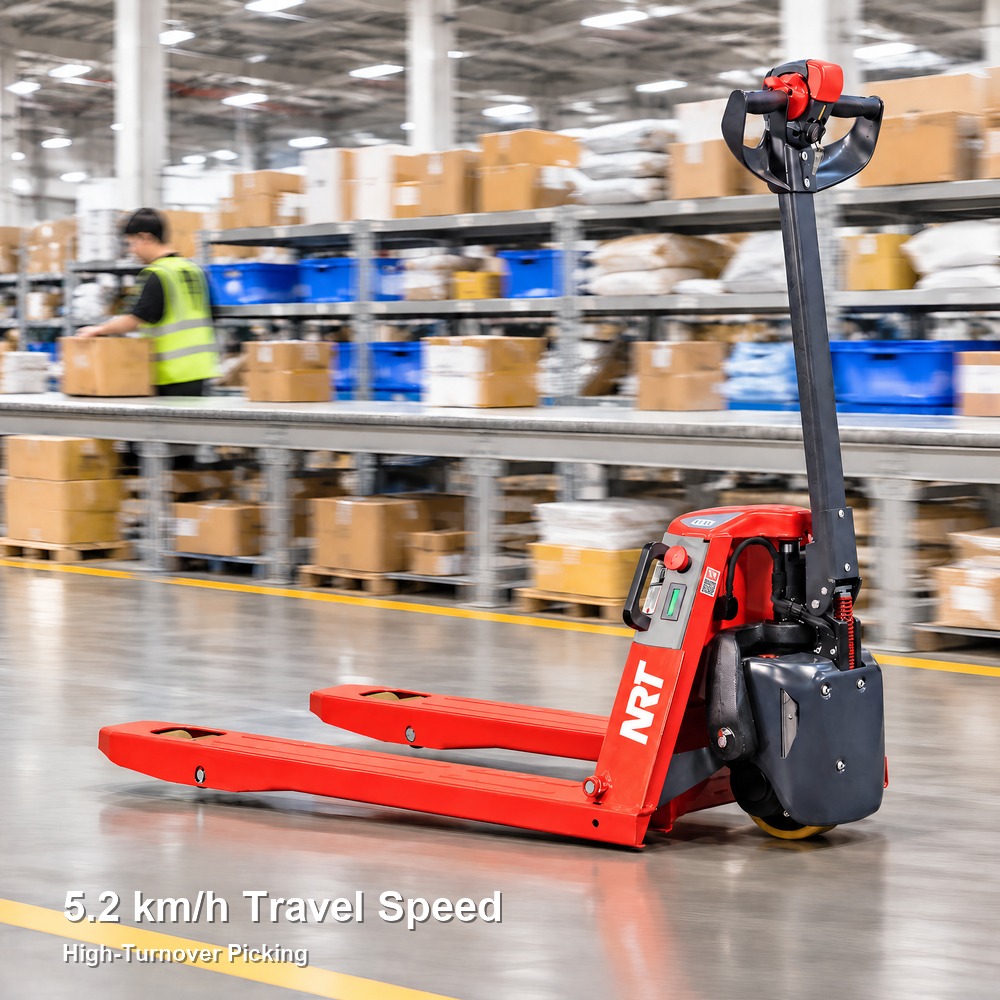
Electric Pallet Jack with Quick Release Drive Wheel 1Min Service 48V Lithium Walkie Pallet Truck 2000kg Capacity
For container loading and dock work where uptime matters, the quick-release drive wheel and fast service access reduce turnaround time for dealer rental fleets and multi-shift dispatch teams.
- Quick release
- 1-minute service
- Walkie format

Stand on Electric Stacker 2000kg for Narrow Aisle Warehouse Loading Dock Building Material Shop Pallet Handling
A stand-on electric stacker for narrow aisles, loading docks and building material shops. The stand-on format supports faster travel over longer routes while keeping a tight pallet-handling footprint.
- Narrow aisle
- Stand-on travel
- Building material

2000kg Walkie Electric Pallet Jack 685mm Width Narrow Fork Pallet Truck with Lithium Battery for Container Loading
A narrow-fork walkie pallet truck for container loading and restricted aisles. Lithium power and compact steering make it a practical choice for dealers serving mixed warehouse and transport customers.
- 685 mm width
- Lithium battery
- Container loading
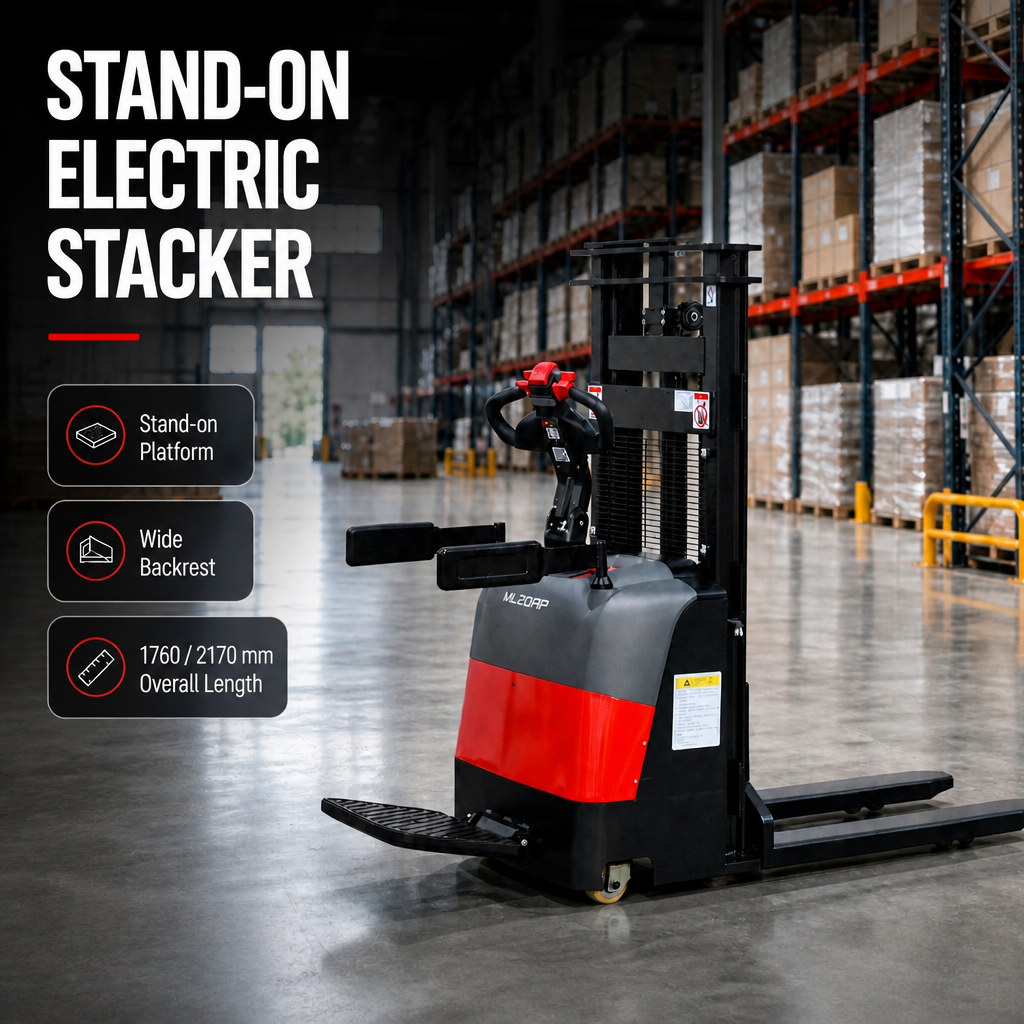
Electric Stacker Truck 2000kg Pallet Stacker Forklift 3410mm Lift for Warehouse Loading Unloading
This 2,000 kg electric stacker truck offers 3,410 mm lift for warehouse loading and unloading. It suits buyers who need racking-level pallet stacking without the footprint and cost of a full counterbalance forklift.
- 3410 mm lift
- Racking support
- Warehouse use
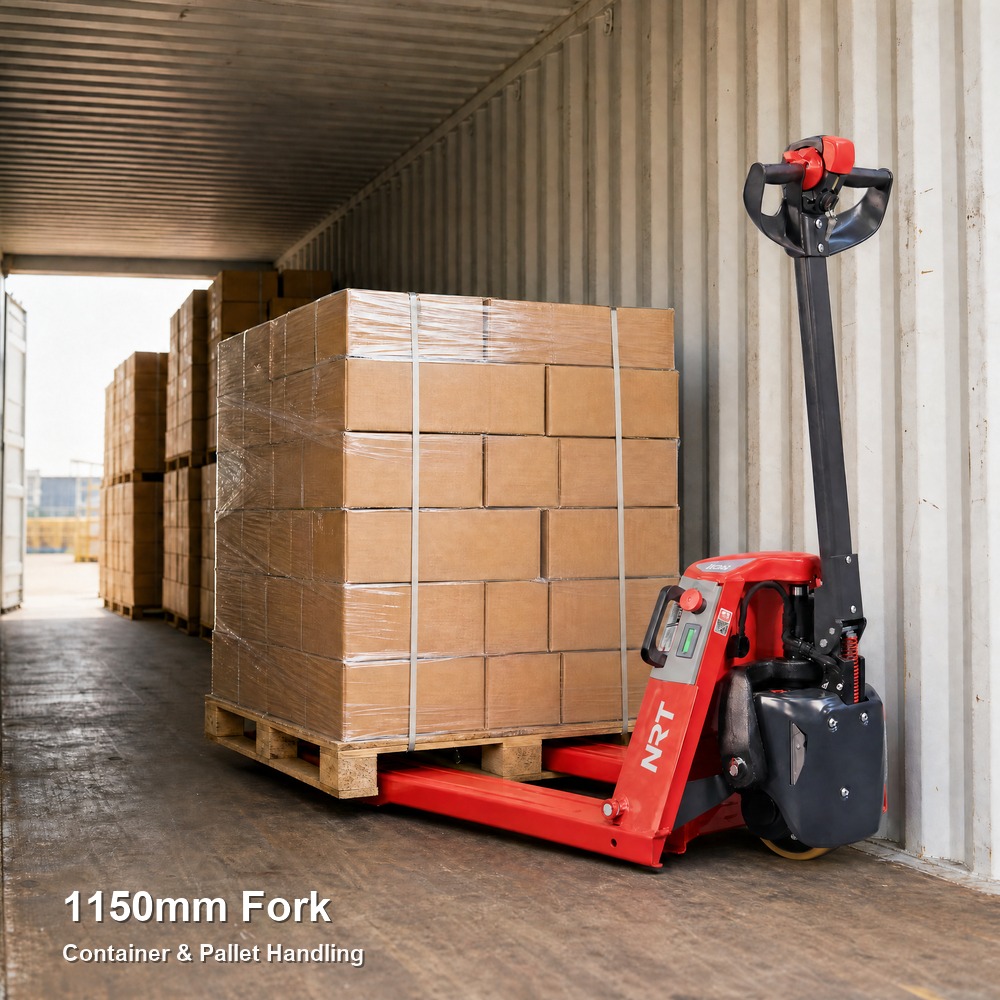
Walkie Electric Pallet Jack 1500kg Fork 1150mm Pallet Truck Battery Powered for Container Unloading Shop Floor
A 1,500 kg walkie electric pallet jack with 1,150 mm forks for container unloading and shop-floor transport. Battery-powered travel and simple controls suit retail, light manufacturing and last-mile logistics.
- 1150 mm forks
- Shop floor
- Battery powered
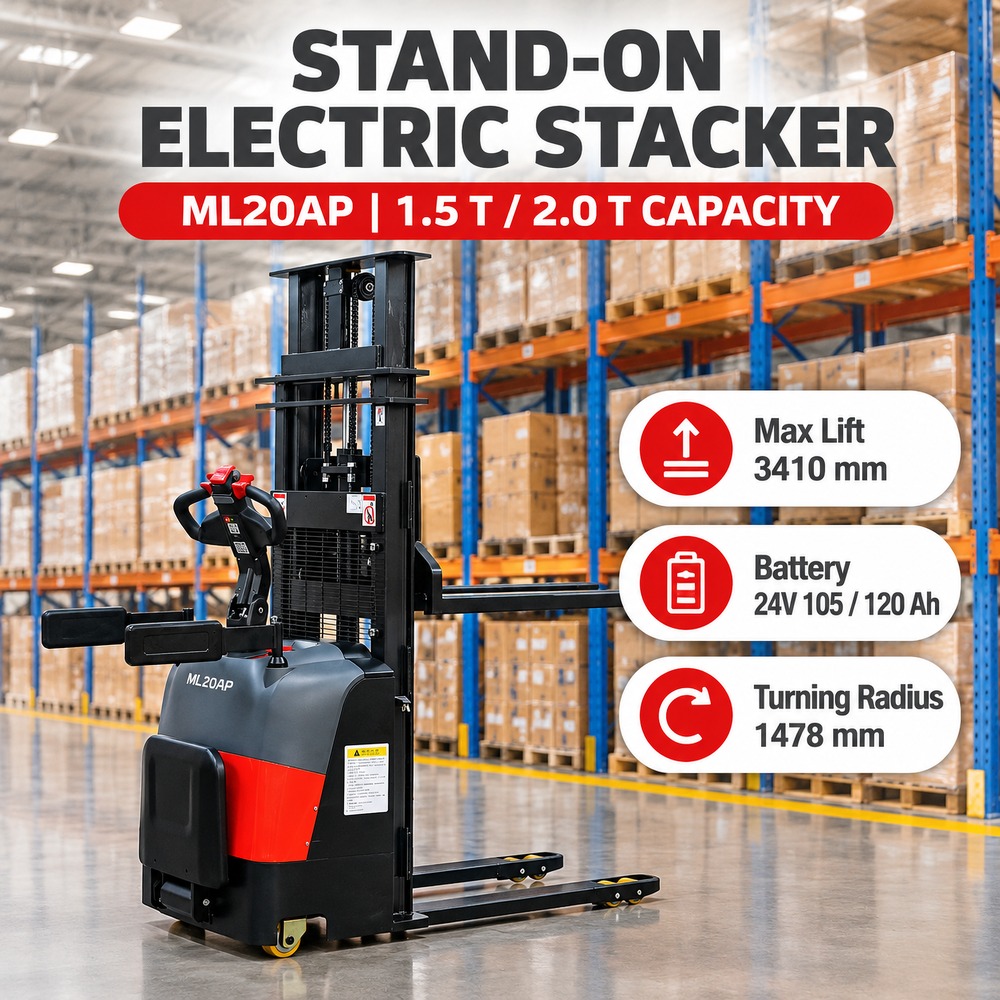
Warehouse Stacker Truck 1500kg 2000kg Electric Pallet Stacker 24V 105Ah Maintenance Free Battery
A warehouse stacker truck available in 1,500 kg and 2,000 kg classes with a 24V 105Ah maintenance-free battery. A strong fit for repeat pallet lifting in distribution centers and production support areas.
- Maintenance free
- Dual capacity
- Warehouse stacker
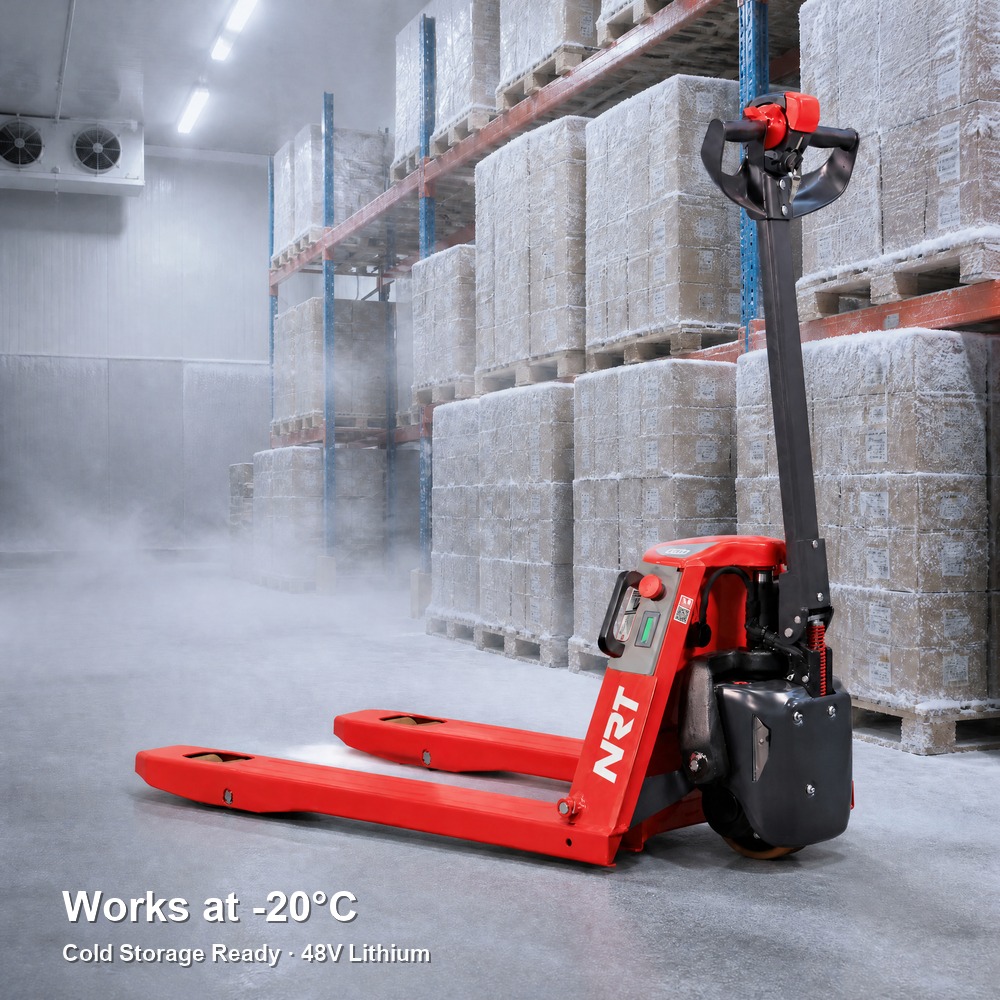
Electric Pallet Jack 2000kg with 48V Lithium Battery 6s Swap 300mm Slim Body Climbing 9% for Cold Storage -20C
This 2,000 kg electric pallet jack combines a 48V lithium battery, 6-second swap, 300 mm slim body and 9% climbing capability for cold storage down to -20°C. Discuss it when uptime and cold-chain reliability are non-negotiable.
- 6s battery swap
- 300 mm slim body
- -20°C cold store
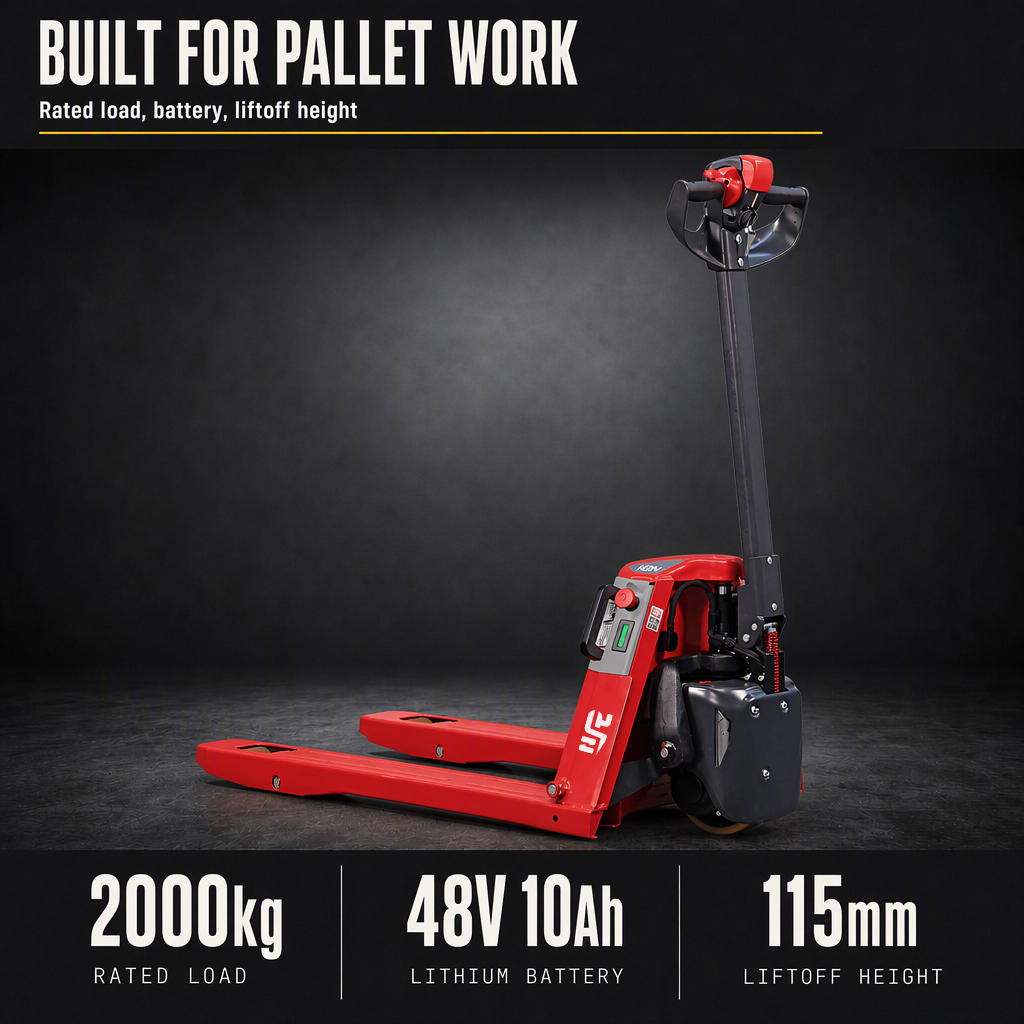
Professional Electric Pallet Jack 2 Ton 2000kg Capacity Heavy Duty Power Pallet Truck with Easy Control System for Warehouse
A professional 2,000 kg heavy-duty electric pallet jack built for power pallet truck duty in warehouses. The easy control system and reinforced format suit fleets moving from manual handling to electric material handling.
- 2 ton capacity
- Easy control
- Heavy-duty body
Need a mixed container, private-label color or a custom fork width for your market? Share your load, aisle, floor, lift height and voltage requirements — the Pexal export team will review the closest OEM/ODM configuration.
Get a QuoteWhy Pexal Is a Practical OEM/ODM Partner for Heavy-Duty Pallet Truck Programs
Xiamen Pexal Technology Co., Ltd. was founded in Xiamen in 2024 as the sales, service and technical support base for Pexal material handling equipment. We work with a 220,000 m² partner manufacturing campus in China employing more than 1,200 people, including 100+ engineers focused on electric warehouse equipment.
Factory-backed capacity for container orders, dealer stock and repeat programs.
Production, assembly and quality-control teams across the partner campus.
Electric drive, battery, control and warehouse equipment specialists.
Western Europe, North America, South America, Eastern Europe and Oceania.
SGS-Assessed Supplier
Our company has passed an onsite check and supplier assessment conducted by SGS Group. A verified company video is available so buyers can review operations before the first order.
OEM/ODM Customization
Sample-based customization, full customization and ODM support for mast height, fork length, battery type, color, logo, attachments and market documentation packages.
Factory-Backed Capacity
A 220,000 m² partner campus and 1,200+ workforce support volume orders, dealer stocking programs and recurring private-label production.
Electric Warehouse Focus
More than 100 engineers work on electric warehouse equipment, from pallet trucks and stackers to reach trucks, order pickers and automated guided forklifts.
One Supplier, Full Range
Electric forklifts, diesel forklifts, pallet trucks, stackers, reach trucks, order pickers and AGV robotics can be discussed in one procurement conversation.
Export Execution
FOB, CFR, CIF, EXW, FCA, CPT, CIP, DDP and other common terms; T/T, L/C, D/P, D/A, Western Union, PayPal, credit card and escrow; multi-currency quoting.

Factory Relationship, Export Interface and Buyer Verification
For B2B buyers, the value of working with Pexal is not only access to warehouse equipment. It is the combination of a factory relationship, a sales and technical support team, and a transparent verification trail that helps procurement teams reduce sourcing risk.
Use the trust layer as part of your RFQ: review the SGS assessment, verified company video, trade capacity and transaction records, then ask for the exact configuration evidence for your pallet truck program.
- SGS onsite assessment available
- Verified company video
- OEM/ODM capability review
- Five main export markets
- Export packaging support
- Multi-currency quotation
What Heavy-Duty Really Means in Pallet Truck Procurement
A 2,000 kg rating alone is not a heavy-duty specification. Duty cycle, floor condition, load center, fork width, battery chemistry, braking behavior, service access and spare-parts availability determine whether a pallet truck survives a multi-shift environment. Buyers should compare the complete operating envelope, not only the capacity label.
| Buyer Use Case | Typical Configuration | Why It Works | What to Verify |
|---|---|---|---|
| Container and dock loading | 2,000 kg walkie pallet truck, 685 mm width, 48V lithium | Narrow forks enter containers more easily; lithium power supports opportunity charging between shifts. | Fork entry, ramp angle, emergency reverse, service access and charger plan. |
| Narrow-aisle warehouse | Stand-on electric stacker or reach truck | Tighter turning and higher storage density than a counterbalance forklift in many layouts. | Aisle width, mast collapsed height, overhead guard clearance and floor condition. |
| Racking-level stacking | 2,000 kg electric stacker with 3,410 mm lift | Provides pallet stacking height without the footprint and cost of a full forklift. | Lift height, load center, mast stability and racking clearance. |
| Cold storage to -20°C | 2,000 kg pallet jack, 48V lithium, 6-second swap, slim body | Stable power and rapid battery exchange reduce cold-room downtime and operator exposure. | Low-temperature battery validation, charging location, condensation control and cycle life. |
| Building material shop | Stand-on stacker or 2,000 kg heavy-duty pallet truck | Longer travel routes and bulky loads reward stability, visibility and strong service support. | Wheel type, outdoor apron transitions, brake performance and operator training. |
| Multi-shift warehouse | Professional 2,000 kg power pallet truck or maintenance-free 24V stacker | Designed for repeated lifts and high-utilization pallet movement across daily shifts. | Controller diagnostics, motor protection, service intervals and spare-parts kits. |
Match the Pallet Truck to the Buyer Intent, Not Just the Catalog Page
Different buyers arrive with different jobs to be done. A rental fleet cares about service speed; a cold-store operator cares about battery behavior; a dealer cares about configuration flexibility and repeatable quality. Use these recommendations to shorten the shortlist.
Container Loading
Prioritize 2,000 kg capacity, 685 mm narrow fork width, lithium power and fast service access. Confirm the ramp angle, floor joints and emergency reverse behavior before placing a fleet order.
Review narrow-fork modelCold Storage to -20°C
Specify low-temperature battery capability, a 300 mm slim body and rapid battery swap. Validate charging outside the freezer and discuss condensation control before the order is released.
Review cold-store modelNarrow-Aisle Stacking
Use a stand-on or walkie stacker for moderate racking heights, then move to a reach truck when aisle density and lift height rise. Confirm mast collapsed height and overhead clearance.
Review stand-on stackerBuilding Material Shops
Longer routes and heavy pallets reward a stable mast and clear operator visibility. Check wheel type, floor transitions, outdoor apron use and training material for new drivers.
Review material-shop optionDealer Rental Fleets
Standardize service access, controller diagnostics and spare-parts kits. Quick-release drive wheel designs reduce turnaround time; private-label color and logo programs are available through ODM.
Review quick-service modelMulti-Shift Warehousing
Compare 48V lithium and 24V maintenance-free battery options against charging windows. For mixed 1,500–2,000 kg duty, a professional 2,000 kg pallet truck protects uptime and driver confidence.
Review heavy-duty modelHeavy-Duty Pallet Truck Procurement Trends Buyers Are Pricing Into 2025–2030
Across dealer, rental and warehouse sourcing conversations, the buying question is shifting from “What is the lowest unit price?” to “Which truck keeps a multi-shift operation productive with the least service friction?” These signals matter for OEM/ODM program planning, container mix and market positioning.
Total Cost of Ownership Beats Sticker Price
Buyers compare battery, charger, energy, service access and downtime, not only FOB price. Lithium opportunity charging can change fleet sizing when trucks recharge during breaks.
Lithium and Fast Swap Move Into Tenders
48V lithium, 6-second battery swap and slim bodies are moving from premium options to tender requirements in cold storage, rental and container-handling fleets.
Narrow Aisles and Site Fit Are Sent With the RFQ
685 mm fork widths and compact stacker formats reduce rework. Procurement teams now send aisle drawings, floor photos and container ramp details before requesting a quote.
Safety and Operator Confidence Are Scored Earlier
Emergency reverse, braking behavior, visibility, warning devices and training material are reviewed earlier. A scored safety section in the RFQ reduces late-stage surprises.
Spare Parts and Serviceability Protect Residual Value
Dealers and rental fleets ask for service access, controller diagnostics, wear-part kits and response commitments. Fast service design supports uptime and resale confidence.
Modular OEM/ODM Becomes a Program Requirement
Private-label color, logo, fork length, mast height, battery type and local documentation packages are becoming standard program elements, not one-off favors.
Recommended OEM/ODM Evaluation Scorecard
Illustrative weighting for B2B heavy-duty pallet truck sourcing; adjust to your market and application.
What the Next Pallet Truck Generation Will Require
The next wave of heavy-duty pallet trucks will be evaluated less as isolated machines and more as nodes in a warehouse workflow. Buyers should ask how the product will support their next warehouse layout, labor model and service network — not only today’s pallet count.
Modular Platforms and Local Compliance
One base platform with configurable fork width, battery, mast height, controller and branding helps dealers serve multiple markets without multiplying spare-parts complexity.
Battery Strategy and Cold Chain
Lithium, fast swap, opportunity charging and low-temperature operation will continue to shape pallet truck selection, especially in cold storage, rental and container fleets.
Smart Safety and Fleet Data
Access control, diagnostics, utilization data and warning systems will move down from forklifts to pallet trucks and stackers as fleets become more digital.
Serviceability as a Design Feature
Quick-release covers, accessible drive wheels, clear fault codes and localizable spare-parts kits reduce downtime for dealers and rental operators under real-world load.
How to Evaluate an OEM/ODM Factory Before You Request a Quote
A good RFQ does more than ask for a price. It defines the operating envelope, the evidence package and the customization path. This four-step sequence helps procurement teams compare suppliers on the same basis.
Define the Operating Envelope
List maximum pallet weight, load center, fork length, aisle width, lift height, ramp angle, floor surface, shift hours and charging windows.
Verify the Trust Layer
Review the SGS assessment, onsite check, company video, trade capacity and transaction history. Ask for the exact documentation package your market requires.
Test the Customization Path
Ask how fork width, battery type, mast height, color, logo, voltage and attachments are controlled from sample approval to mass production.
Lock the Commercial Package
Confirm Incoterms, payment method, currency, packaging, spare-parts list, inspection plan and after-sales escalation before releasing the order.
Heavy-Duty Pallet Truck Factory & Exporter FAQ
Straight answers for importers, dealers, rental fleets and warehouse buyers evaluating an OEM/ODM pallet truck program.
What makes a pallet truck “heavy duty”?
Which is better for container loading: a walkie pallet jack or a stacker?
Do you offer OEM/ODM for heavy-duty pallet trucks?
Can the factory supply cold-storage configurations?
What specifications should I send for an accurate quote?
Which Incoterms and payment methods are available?
How can I verify the supplier before placing an order?
Which markets do you export to?
Build Your Next Heavy-Duty Pallet Truck Program With Pexal
Share your load, aisle, floor, lift height, battery preference and target market. The Pexal export team will recommend the closest OEM/ODM configuration from the 1,500–2,000 kg pallet truck and stacker range. Email: info@pexalbot.com