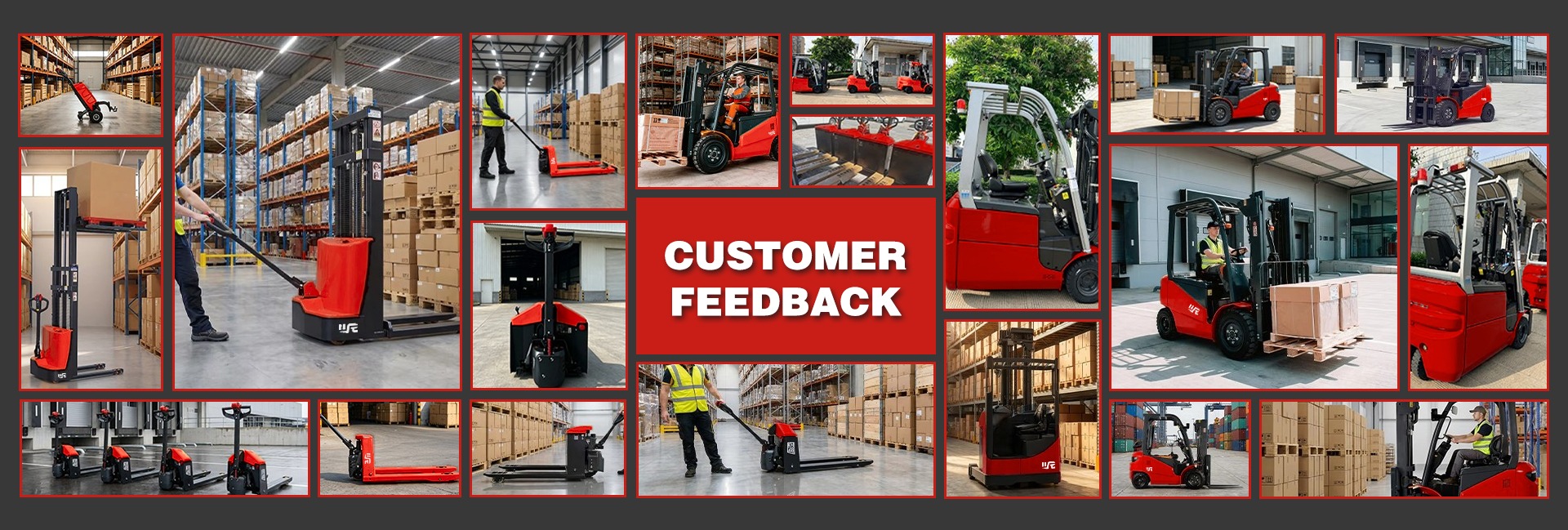
Electric Pallet Jacks, Stackers & Walkie Trucks for Wholesale Programs
The eight products below reflect the configurations most frequently requested in wholesale, dealer and private-label inquiries. Each card preserves the direct product URL for specification review. Where a buyer needs a custom mast, fork length, battery, charger, logo, color, manual or packaging, our application team can convert the requirement into an OEM/ODM brief.

2026 New Alternative Convertidor De Palet Jack a Electrico Ultra-Lightweight 107kg Electric Pallet Jack with Lithium Power
A lightweight lithium pallet jack for retail replenishment, parcel handling, van delivery and light container unloading. The low vehicle weight helps reduce transport cost and makes deployment easier for route-based operations.
View product specs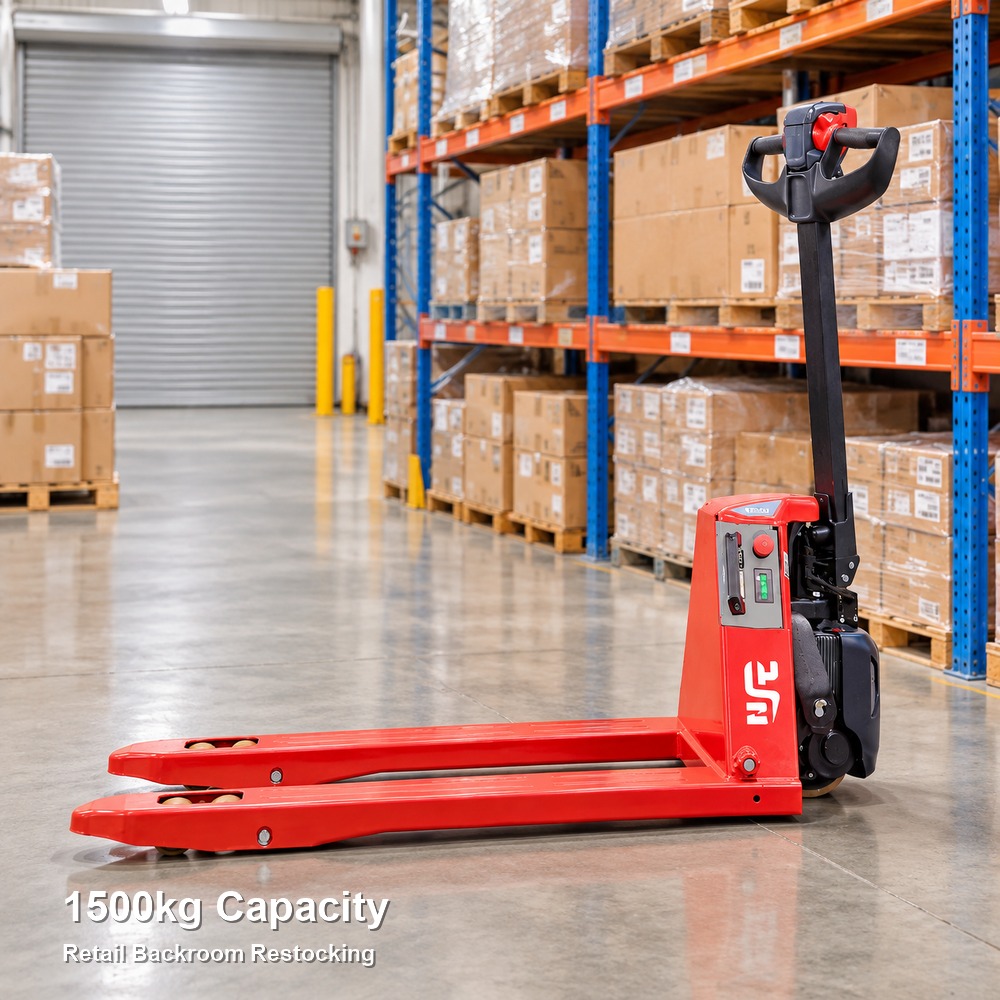
Cold Storage Electric Pallet Jack -20C Working 48V Lithium Battery Pallet Truck Walkie Type 1500kg 2000kg
For frozen food, pharmaceutical and cold-chain 3PL operations, this walkie pallet truck combines 48V lithium power with cold-storage configuration. Buyers should confirm battery heating, charger placement, condensation control and low-temperature lubricant requirements.
View product specs
Stand on Electric Stacker 2000kg for Narrow Aisle Warehouse Loading Dock Building Material Shop Pallet Handling
A stand-on electric stacker for loading docks, building-material shops and narrow-aisle pallet handling. The stand-on format reduces operator walking distance during repetitive short-run stacking and dock work.
View product specs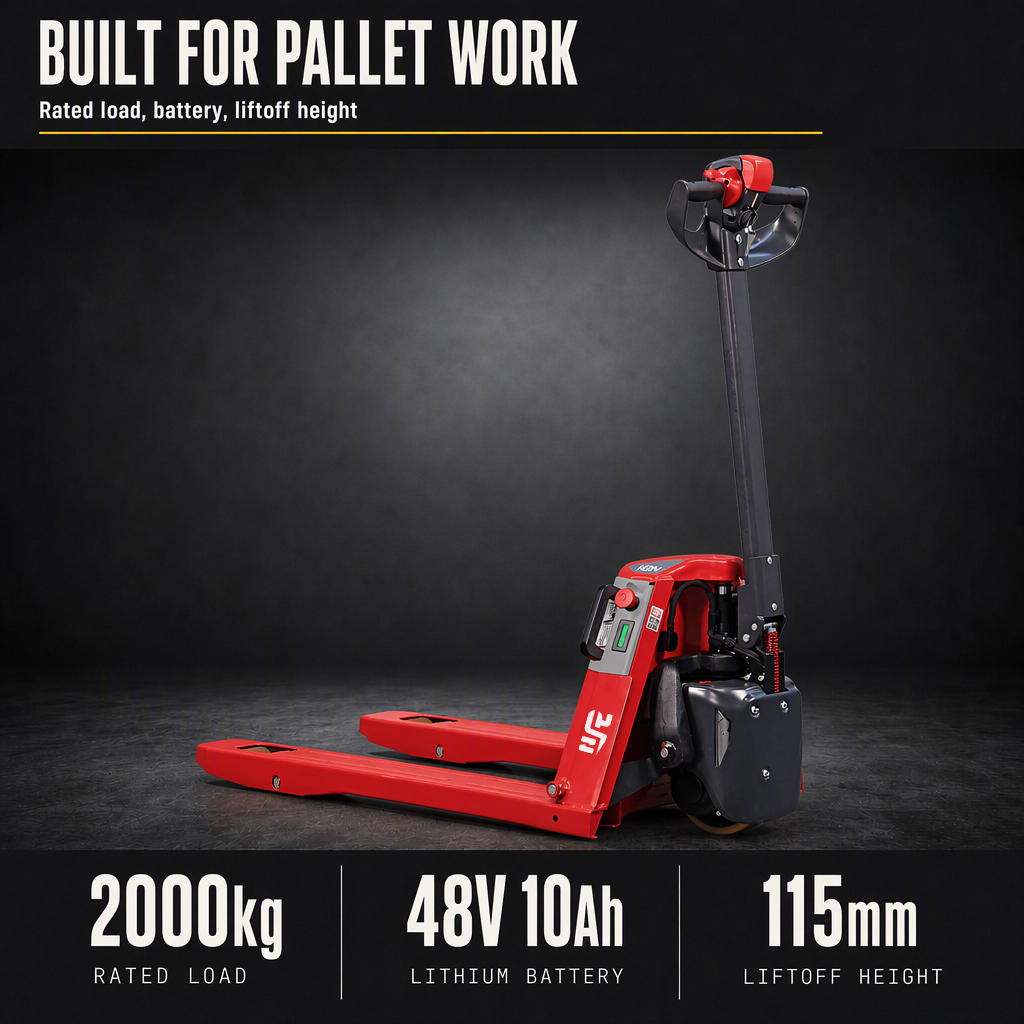
Professional Electric Pallet Jack 2 Ton 2000kg Capacity Heavy Duty Power Pallet Truck with Easy Control System for Warehouse
A reinforced 2,000 kg power pallet truck for multi-shift warehouse work, distribution centers and heavier pallet flows. The easy-control system supports operator training while the heavy-duty structure targets repetitive horizontal transport.
View product specs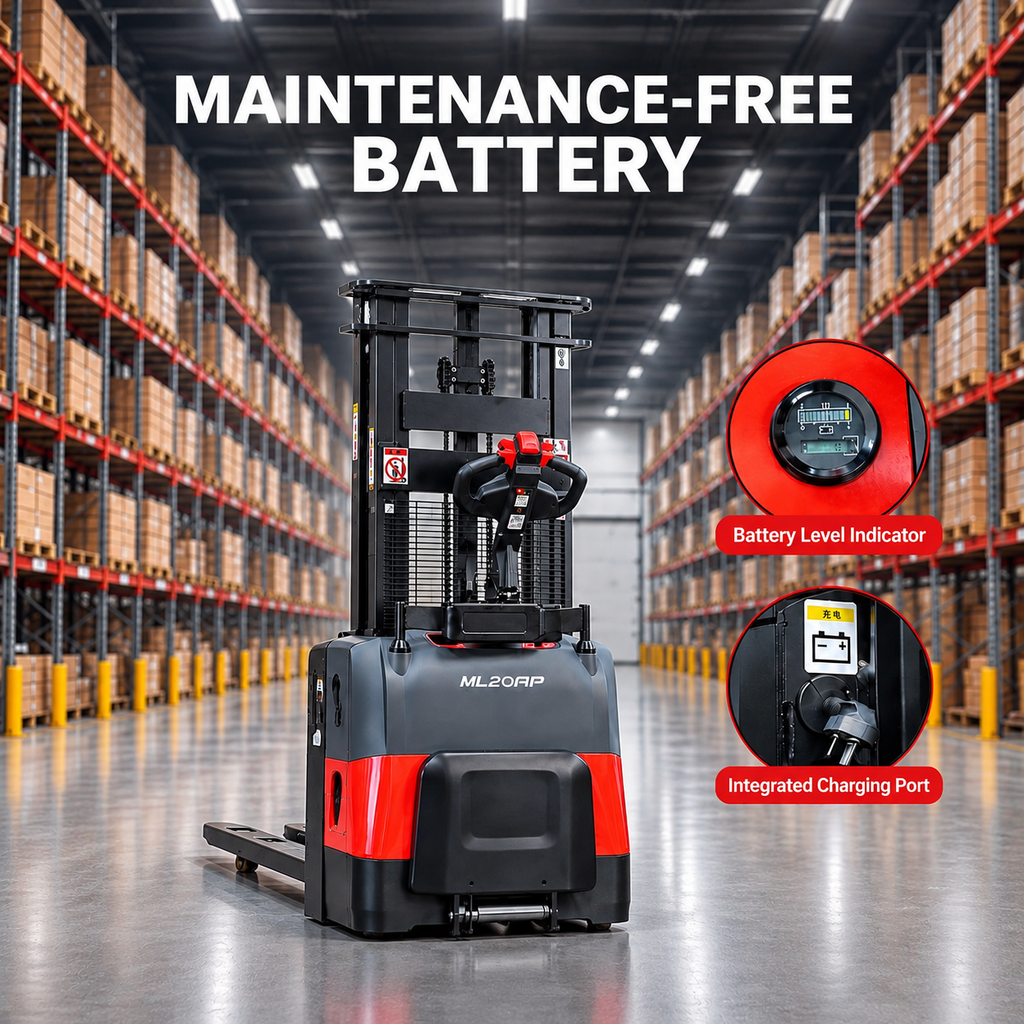
Stacker Forklift Electric 1500kg 2000kg for Retail Backroom Farm Feed Store Pallet Stacking Work
An electric stacker for retail backrooms, farm feed stores and light warehouse pallet stacking. It is a practical step up from manual stackers where operators need repeatable lift height and controlled pallet positioning.
View product specs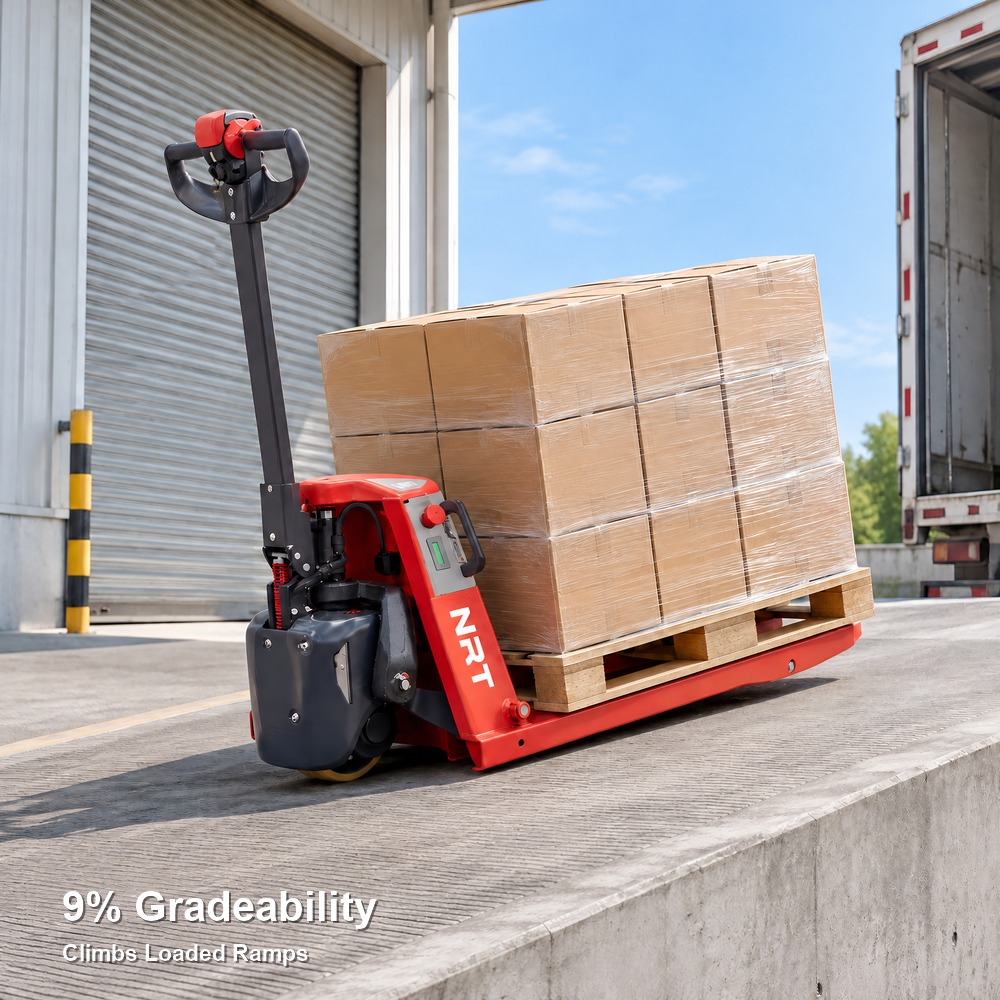
Lithium Battery Electric Pallet Jack Truck 1500kg 2000kg Walkie Pallet Jack Electric Forklift Alternative for Warehouse
A lithium walkie pallet jack positioned as a diesel forklift alternative for horizontal pallet movement. Suitable for warehouses, loading bays and distribution centers that need low noise, zero local emissions and opportunity charging.
View product specs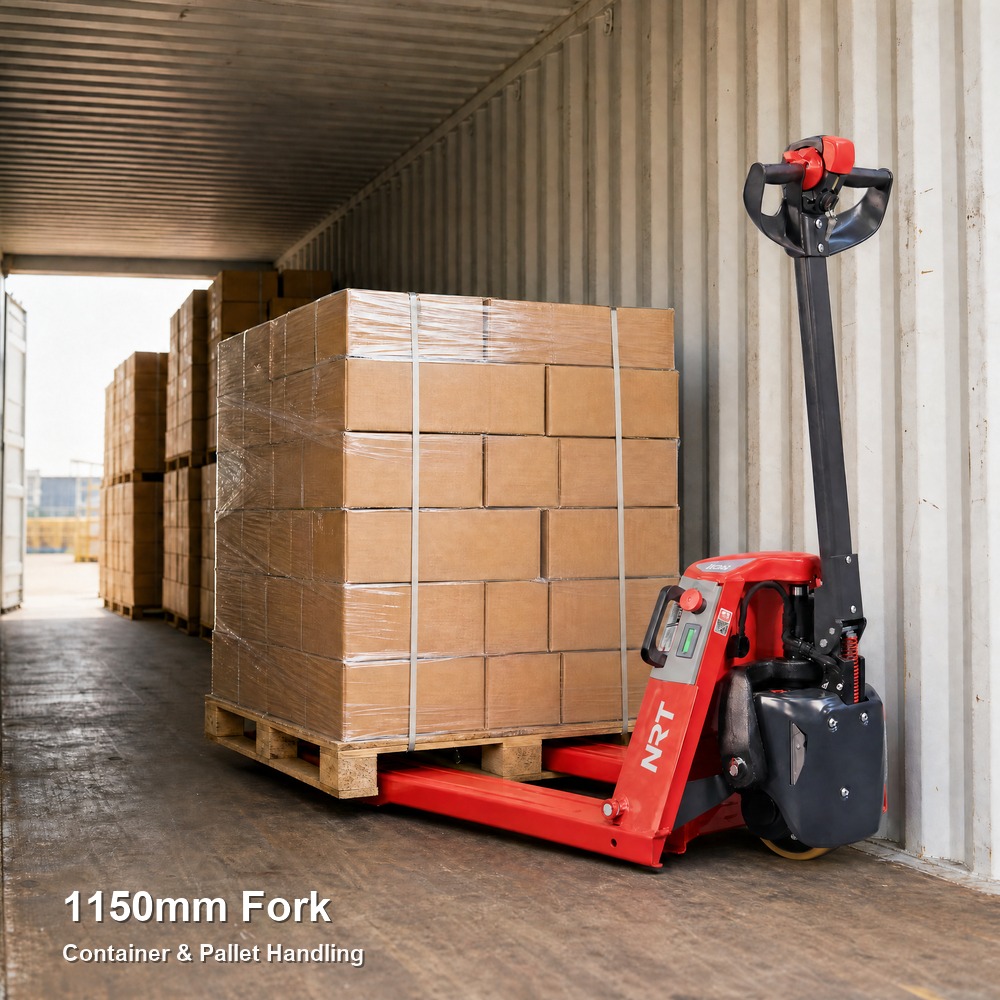
Walkie Electric Pallet Jack 1500kg Fork 1150mm Pallet Truck Battery Powered for Container Unloading Shop Floor
A 1,500 kg battery-powered walkie pallet jack with 1,150 mm forks for container unloading, shop floors and tight receiving areas. The compact format helps operators move pallets where larger counterbalance forklifts are inefficient.
View product specs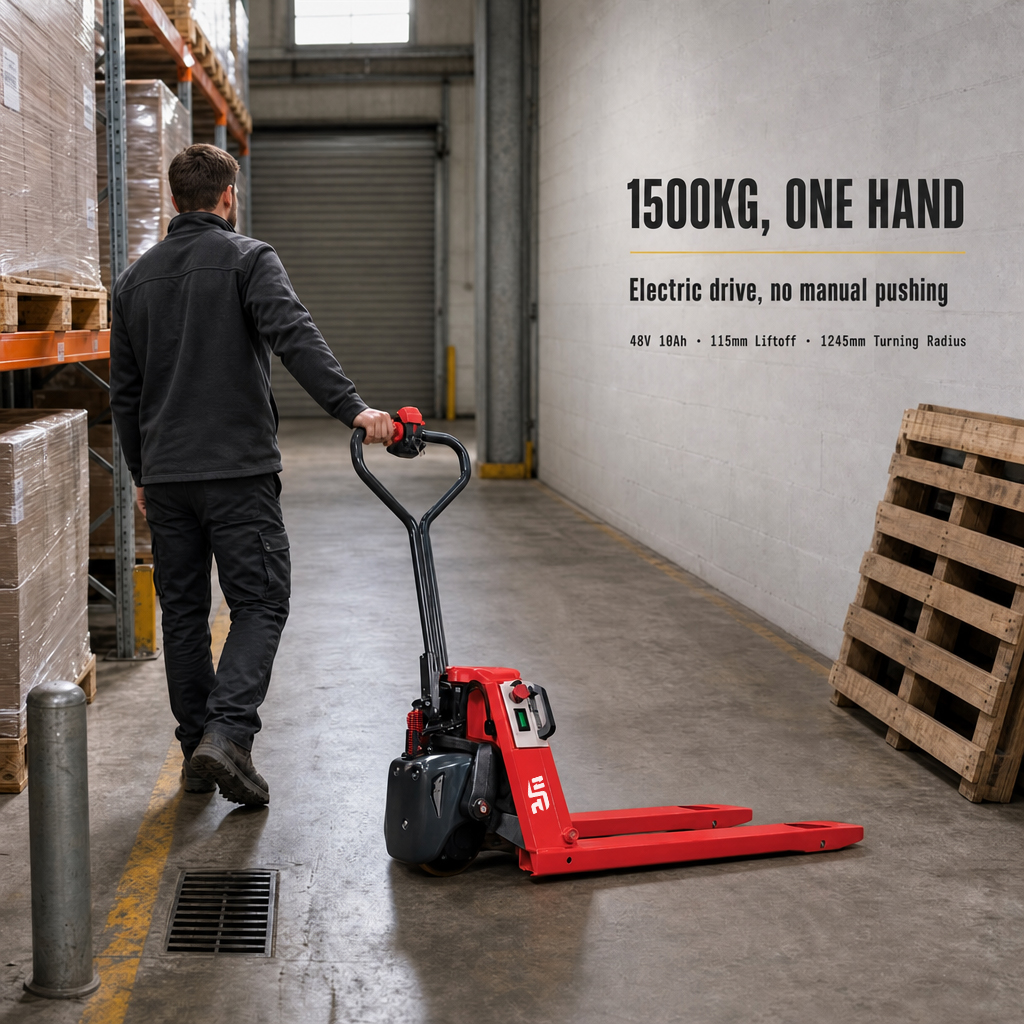
Electric Pallet Truck for Distribution Center Workshop Supermarket Pallet Handling 1500kg Lithium Battery Walkie Jack
A 1,500 kg lithium walkie pallet truck for distribution centers, workshops and supermarkets. It is aimed at high-frequency horizontal handling where compact size, simple controls and fast charging matter.
View product specsSend your load, aisle width, lift height, voltage, annual volume and branding requirements. We will return a configuration brief and quotation path for your market.
Why B2B Buyers Shortlist Pexal as an OEM/ODM Forklift Truck Partner
Pexal's operating model is built for distributors that need product breadth, accountable export communication and a clear route from a standard pallet truck to a private-label program. Our role combines a Xiamen-based sales, service and technical support team with a large partner manufacturing campus.

A Sales, Service and Technical Support Base You Can Audit
Xiamen Pexal Technology Co., Ltd. was founded in Xiamen, Fujian in 2024 as the sales, service and technical support base for Pexal material handling equipment. We work with a 220,000 m² partner manufacturing campus employing more than 1,200 people, including a team of over 100 engineers dedicated to electric warehouse equipment.
Our commercial mission is practical: help buyers move from manual handling to electric handling, and from diesel to battery power, while reducing emissions, noise and operating cost. For wholesale buyers, that means more than supplying a pallet truck; it means matching the truck to the duty cycle and supporting the product after the container arrives.
E-E-A-T note: this guide is maintained by Pexal's material handling application and export sales team. It combines SGS-verified company information with configuration experience from dealer, rental-fleet and distributor inquiries across five main export regions.
- Full forklift and warehouse truck range
- Sample-based and full customization
- ODM service for private-label programs
- SGS onsite-assessed supplier
- Logistics solution design and consulting
- Export packaging and flexible Incoterms
- Verified trade capacity and transaction history
- One contact point for repeat dealer stock
Which Forklift Truck Configuration Fits Which Job?
Our application engineers begin with four variables: load weight and load center, aisle width and rack height, duty cycle, and floor or temperature condition. This prevents overbuying a heavy truck for light horizontal moves or underbuying a pallet jack for a 2,000 kg multi-shift dock operation.
Container Unloading & Shop Floor
Choose a compact 1,500 kg walkie pallet jack with 1,150 mm forks when the job is horizontal movement, not racking. Confirm container floor condition, ramp use, pallet quality and whether the operator needs lithium opportunity charging.
Recommended modelCold Chain & Frozen Storage
For -20°C environments, specify a cold-storage lithium pallet truck with the correct battery management strategy. Battery capacity, charger location, condensation control and low-temperature lubricants matter as much as nominal load capacity.
Recommended modelNarrow Aisle & Loading Dock
A stand-on 2,000 kg electric stacker reduces operator walking during repetitive dock work and narrow-aisle handling. It is often paired with walkie pallet trucks so each asset is assigned to the right travel distance.
Recommended modelHeavy Pallet Handling
Use a professional 2-ton electric pallet jack for multi-shift warehouse flows, heavier pallet loads and demanding dock cycles. The specification should include peak load, load center, ramp grade and expected battery duty.
Recommended modelRetail Backroom & Farm Feed Store
An electric stacker with 1,500–2,000 kg capacity is often the right compromise where pallets must be lifted to moderate height but the aisle is too tight or the volume too low for a counterbalance forklift.
Recommended modelDistribution Center & Supermarket
For high-frequency horizontal transport in distribution centers, workshops and supermarkets, choose a 1,500 kg lithium walkie pallet truck and plan charging around shift breaks rather than a single overnight charge.
Recommended modelForklift Truck Procurement Trends Wholesalers Should Price Into 2026–2030
Procurement teams are not simply buying more electric trucks. They are buying lower total cost of ownership, documented compliance, faster spare-parts response and a credible roadmap to automation. For wholesale programs, these shifts change how quotations are compared and how suppliers are shortlisted.
From Unit Price to TCO and Uptime
Buyers increasingly compare battery cycle life, charger efficiency, brake and controller spare parts, service labor, training time and downtime risk. A cheaper pallet truck can become expensive if the battery, tiller or controller is difficult to replace. Quotations should state component brands, service intervals and the recommended spare-parts kit.
Lithium as the Baseline, Not a Premium
Lithium power is moving from an upgrade to a default expectation in many warehouse and retail applications. Opportunity charging, integrated chargers, smart battery management and cold-temperature packages are becoming part of the buying brief. For distributors, the key question is not only lithium or lead-acid, but which battery and charger strategy fits the customer's shift pattern.
Mixed-Fleet Right-Sizing
Wholesalers are building mixed fleets instead of forcing one model into every job. A 107 kg ultra-light pallet jack may serve route delivery; a 1,500 kg walkie truck may serve container unloading; a 2,000 kg stand-on stacker may serve a narrow dock; and a cold-storage model may serve frozen logistics. Right-sizing improves utilization and reduces unnecessary capital.
Audit-Ready Documentation
Buyers want supplier files that are ready for internal compliance, tender review and customs clearance. That includes SGS assessment records, product specifications, manuals, labels, packaging details, HS codes, spare-parts lists and destination-market voltage or plug requirements. Documentation quality is becoming a purchasing criterion, not an afterthought.
Automation-Ready Purchasing
Many warehouses are not ready for full automation today, but they want equipment that does not block tomorrow's plan. Procurement teams ask whether manual electric trucks can later sit alongside AGV forklifts, fleet telematics or warehouse-management systems. Suppliers should be able to discuss fixed-route automation, safety scanners and data integration.
Supplier Consolidation and Private Label
Distributors are reducing the number of suppliers while expanding SKU coverage. An OEM/ODM partner must handle color, logo, manual language, packaging, accessories and recurring spare-parts demand across multiple models. The ability to consolidate pallet trucks, stackers, walkie trucks and custom builds under one export program becomes a competitive advantage.
Service Network and Parts Availability
Dealers and rental fleets evaluate how quickly consumables and wear parts can be supplied. Batteries, chargers, wheels, tiller arms, emergency-stop switches and controllers should be discussed before the first order. A supplier that can provide a recommended spare-parts kit and clear part numbers reduces after-sales friction.
ESG, Noise and Energy Reporting
Electric handling supports cleaner indoor air and lower noise, but buyers increasingly ask for evidence: energy consumption, battery recycling route, packaging reduction and product longevity. Suppliers that can support environmental documentation and rebuildable design will be better positioned for corporate procurement reviews.
Regional Compliance and Voltage Planning
Export programs must plan for destination voltage, plug type, manual language, safety labels and market-specific documentation. These details should be confirmed before production, not after the container is loaded. A well-run OEM/ODM brief includes the destination country and end-user environment from the start.
Product Development Trends Shaping Electric Forklift Trucks and Pallet Equipment
The next generation of pallet trucks and stackers will be judged by how well it integrates energy, safety, serviceability and data. The most useful product developments are not cosmetic; they reduce risk for the distributor and improve the end user's daily operating economics.
Smart Lithium and Fast Charging
LFP battery platforms, intelligent battery management and opportunity charging are becoming central to product planning. The goal is to keep trucks available across breaks and shift changes while protecting battery life and thermal safety.
Modular Platforms and Battery Options
A modular chassis can support different battery capacities, fork lengths, masts and chargers with fewer engineering changes. For wholesalers, this can simplify SKU management and make private-label programs easier to scale across markets.
Integrated Safety and Operator Assistance
Electric pallet equipment is adding speed reduction in turns, anti-rollback control, emergency-stop design, pedestrian warning and ergonomic tiller controls. These features reduce training time and support safer operation in busy receiving and shipping areas.
Connected Fleet and Predictive Maintenance
Telematics, CAN-bus diagnostics, battery health reporting and utilization data can help dealers move from reactive repair to planned service. For rental fleets, asset tracking and usage data can also improve pricing and fleet allocation.
Cold-Storage and Harsh-Environment Packages
Cold-chain buyers need sealed connectors, low-temperature lubricants, condensation management, heated battery options and charger planning. Product development is moving toward factory-defined cold-storage packages rather than ad hoc modifications.
AGV/AMR-Ready and Hybrid Workflows
Manual electric trucks and automated guided forklifts will coexist. Buyers should ask how a product line can support fixed-route automation later, including safety scanning, traffic management and integration with a warehouse management system.
Serviceability and Rebuildability
Design choices that make wheels, tiller arms, controllers, batteries and chargers easy to replace extend asset life. A rebuildable product is more attractive to rental fleets and dealers that need predictable maintenance costs.
Ergonomics and Operator Retention
Low tiller effort, clear visibility, stable braking and intuitive controls matter in labor-constrained warehouses. The best equipment reduces fatigue without creating a training burden, especially for mixed teams and seasonal staff.
Circular Design and Packaging Reduction
Recyclable packaging, common fasteners, accessible service points and battery-recycling planning are becoming part of supplier evaluation. These changes help distributors respond to corporate ESG questionnaires without compromising delivery schedules.
How to Specify an OEM/ODM Forklift Truck Program
A specification that arrives as “2-ton electric pallet jack” can only produce a generic quotation. A specification that includes the information below gets a manufacturable, margin-aware proposal and reduces the risk of rework, wrong voltage or unsuitable battery capacity.
Define the Load
State maximum pallet weight, average weight, load center, pallet type and any attachment. Do not rely on the nominal capacity alone.
Measure the Site
Record aisle width, rack height, door height, turning radius, floor condition, ramps and whether the truck will enter a container or truck trailer.
Set the Duty Cycle
Clarify hours per shift, shifts per day, travel distance, lift cycles and peak periods. This determines battery capacity, charger strategy and structural choice.
Check the Environment
Identify indoor or outdoor use, ambient temperature, cold-storage operation, food-grade requirements, dust, moisture and floor gradients.
Specify Energy
Confirm voltage, plug type, charging window, charger location and lithium or lead-acid preference. For -20°C, discuss cold-temperature battery management.
Confirm Compliance
Share destination country, required labels, manual language, safety features, documentation, HS code and any tender or customs requirements.
Plan Branding
For OEM/ODM, prepare logo files, color references, model naming, manual text, packaging artwork and spare-parts labeling requirements.
Agree Commercial Terms
Provide annual volume, trial order intent, target port, Incoterm, payment method and requested delivery window so the quotation reflects the real program.
Send a Better RFQ, Get a More Useful Quotation
Share your load, aisle, lift height, temperature, voltage, annual volume and branding requirements. Our team will help translate the operating need into a product configuration and discuss the appropriate export terms for your market.
SGS-Assessed, Onsite-Verified and ODM-Ready
Third-party verification reduces the unknowns in an international equipment purchase. Buyers can review the assessment record, company video, trade capacity, credit index, trade history and transaction history before placing a first order.

Assessed by SGS Group
Our company has passed a supplier assessment and onsite check carried out by SGS Group. Business type, main products, main markets and capabilities have been reviewed onsite, and a verified company video is available for buyers to review.
Customization Verified
Verified capabilities include sample-based customization, full customization and ODM services, covering mast height, fork length, battery type, color, logo and attachment configuration.
Export Program Support
Our main export markets are Western Europe, North America, South America, Eastern Europe and Oceania. We support dealers, rental companies and end users with export packaging and flexible delivery terms from EXW to DDP.
Delivery Terms
Payment Methods
Accepted Currencies
OEM/ODM Forklift Truck Wholesale FAQ
These are the questions most often raised by importers, dealers and fleet managers when evaluating electric pallet jacks, stackers, walkie trucks and private-label material handling programs.
What is the difference between an OEM and ODM forklift truck manufacturer?
In an OEM program, the supplier manufactures equipment to the buyer's specification or brand. In an ODM program, the supplier provides a proven platform that can be adapted with the buyer's branding, packaging, manual, voltage and configuration. Pexal supports sample-based customization, full customization and ODM services. For a useful quotation, send the destination market, load requirement, aisle width, battery preference and annual volume.
Can you customize mast height, fork length, battery type and color?
Yes. Customization can cover mast height, fork length, battery type, color, logo and attachment configuration, subject to the model and order volume. Buyers should confirm the exact application because a change in fork length or battery capacity can affect turning radius, charging strategy and spare-parts planning.
Which model is best for container unloading?
A compact 1,500 kg walkie electric pallet jack with 1,150 mm forks is often the first choice for container unloading and shop-floor receiving. If the load is consistently heavier, the route includes ramps or the duty cycle is intense, a 2-ton heavy-duty pallet jack may be more appropriate. Confirm container floor condition and pallet quality before ordering.
Which electric pallet truck works in -20°C cold storage?
The cold-storage electric lithium pallet truck with 48V power and 1,500 kg or 2,000 kg capacity is designed for this discussion. Buyers should confirm battery heating or low-temperature management, charger placement outside the freezer, condensation control, low-temperature lubricants and the actual duty cycle, because cold reduces available battery capacity.
How do I choose between 1500 kg and 2000 kg capacity?
Do not choose by nominal capacity alone. Check maximum pallet weight, load center, ramp grade, attachments, floor condition, shifts per day and peak handling intensity. A 1,500 kg walkie truck can be ideal for standard pallet flows, while a 2,000 kg professional pallet jack or stand-on stacker may be better for heavy, multi-shift or demanding dock operations.
What affects MOQ, lead time and sample orders?
MOQ and lead time depend on the model, battery, charger, customization level, packaging and whether the order is a mixed container. A trial order can be discussed for many standard configurations. To shorten the quotation cycle, provide the target model, annual volume, destination port and required delivery date.
Which Incoterms, payment methods and currencies do you accept?
Delivery terms include FOB, CFR, CIF, EXW, FCA, FAS, CPT, CIP, DDP, DDU and express options. Payment can be discussed through T/T, L/C, D/P, D/A, Western Union, MoneyGram, PayPal, credit card and escrow. Accepted currencies include USD, EUR, GBP, JPY, CAD, AUD, HKD, CHF and CNY.
Which markets do you export to?
Our main export markets are Western Europe, North America, South America, Eastern Europe and Oceania. We serve dealers, rental companies and end users. Regional voltage, plug type, manual language, packaging and documentation should be confirmed at the quotation stage.
Has your company been verified by a third party?
Yes. Our company has passed an onsite check and a supplier assessment conducted by SGS Group, and a verified company video is available for buyers to review. Additional trade-capacity, credit-index, trade-history and transaction-history records can be reviewed before the first order.
How is quality checked before shipment?
Pre-shipment QC covers functional testing of lifting, travel, braking and electrical systems, together with configuration checks against the approved specification. Export packaging and documentation are prepared for the agreed Incoterm. Buyers can request the relevant inspection and shipping documents for their order.
Request an OEM/ODM Forklift Truck Quotation
Share your load, site, duty cycle, voltage and branding requirements. Pexal will help match the right electric pallet jack, stacker or walkie truck to your market and discuss export terms from our Xiamen base. Email: info@pexalbot.com