8 Automatic Pallet Truck Models for 2026 Distribution & Warehouse Projects
The phrase “automatic pallet truck” is often used by buyers to describe powered electric pallet handling equipment: lithium walkie pallet trucks, powered pallet jacks and electric stackers that replace manual pushing and reduce operator fatigue. The eight models below are selected from our current export range and cover ultra-light retail delivery, heavy-duty warehouse transfer, high-rack stacking, ramp use and narrow-aisle truck handling. Product URLs are preserved exactly so engineers and buyers can review full specifications, inquire about OEM/ODM customization or request a configuration review.

2026 New Alternative Convertidor De Palet Jack a Electrico Ultra-Lightweight 107kg Electric Pallet Jack with Lithium Power
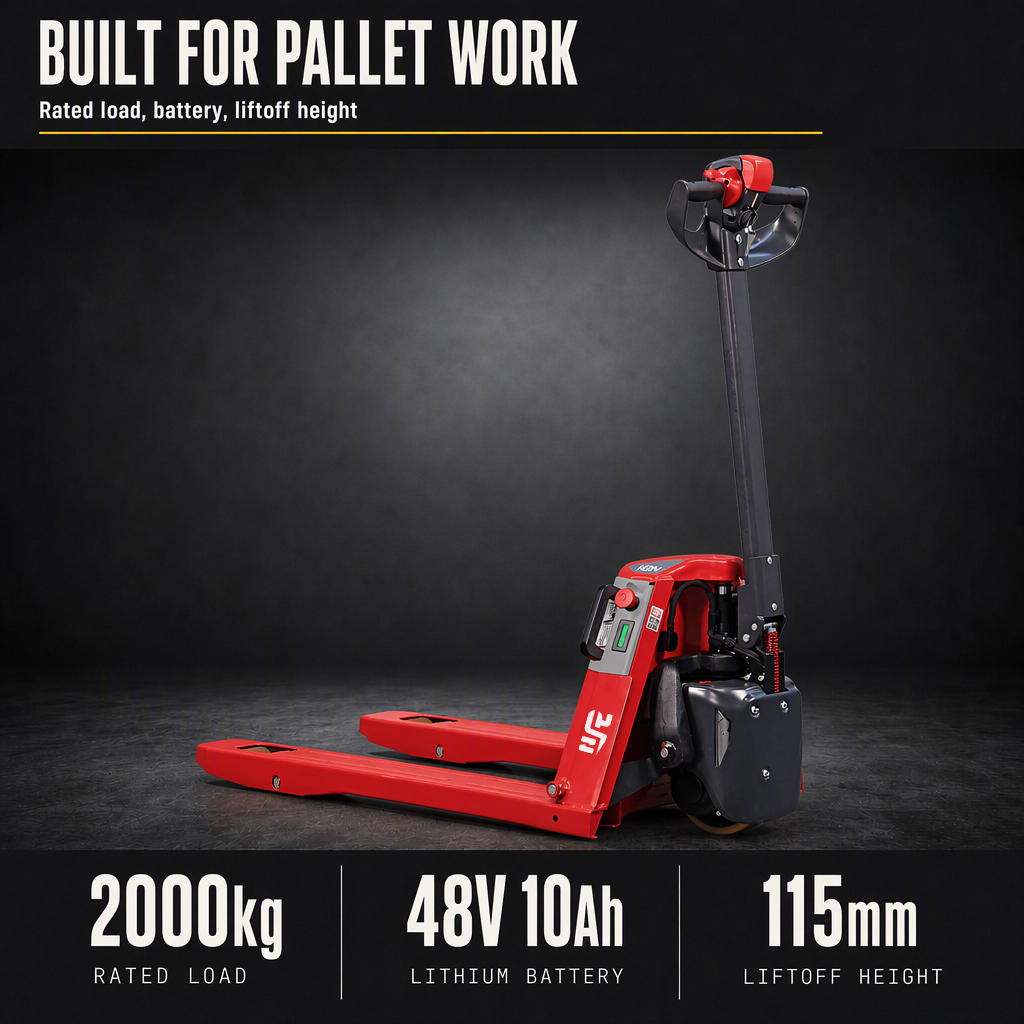
Professional Electric Pallet Jack 2 Ton 2000kg Capacity Heavy Duty Power Pallet Truck with Easy Control System for Warehouse
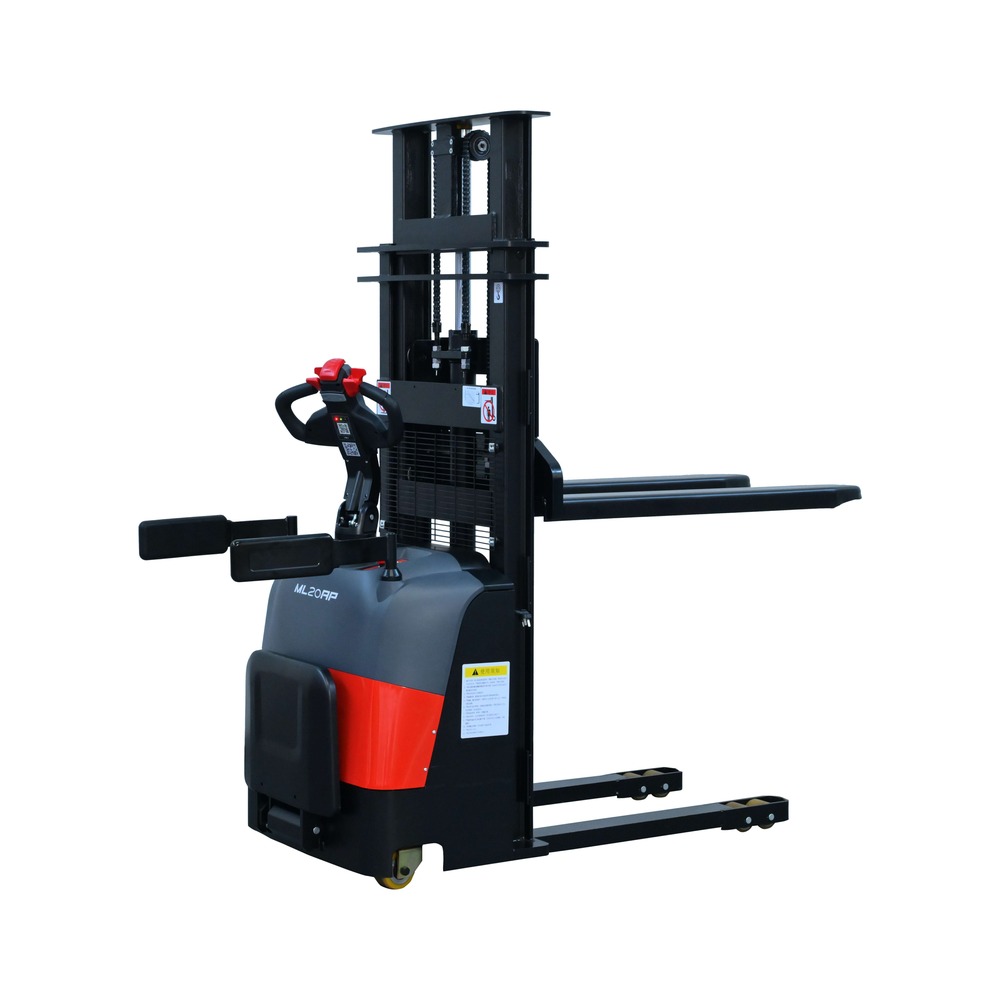
2000kg Stand on Electric Pallet Stacker 3.41m Lift Height Pallet Stacker Truck Channel Steel Mast 1480mm Turning Radius
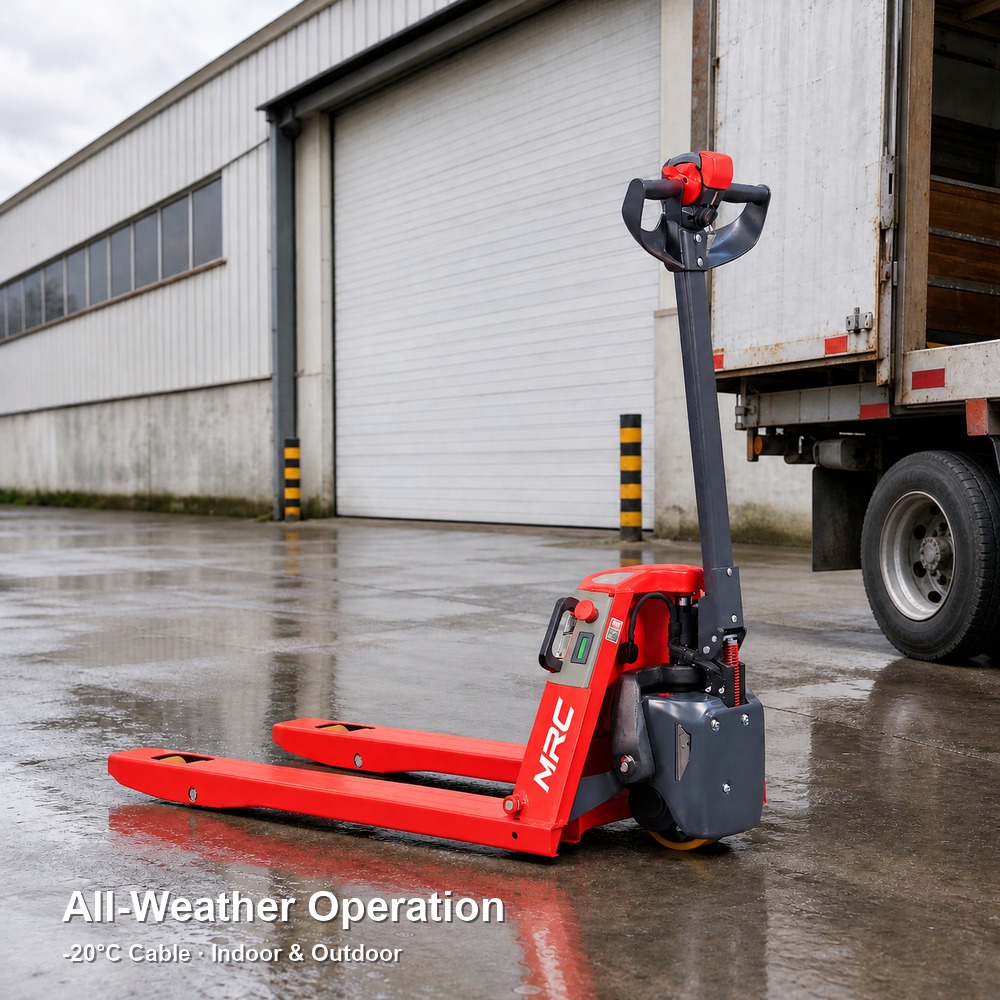
Factory Direct Price Electric Pallet Jack 1500kg 2000kg Battery Powered Walkie Pallet Truck Lithium Pallet Jack
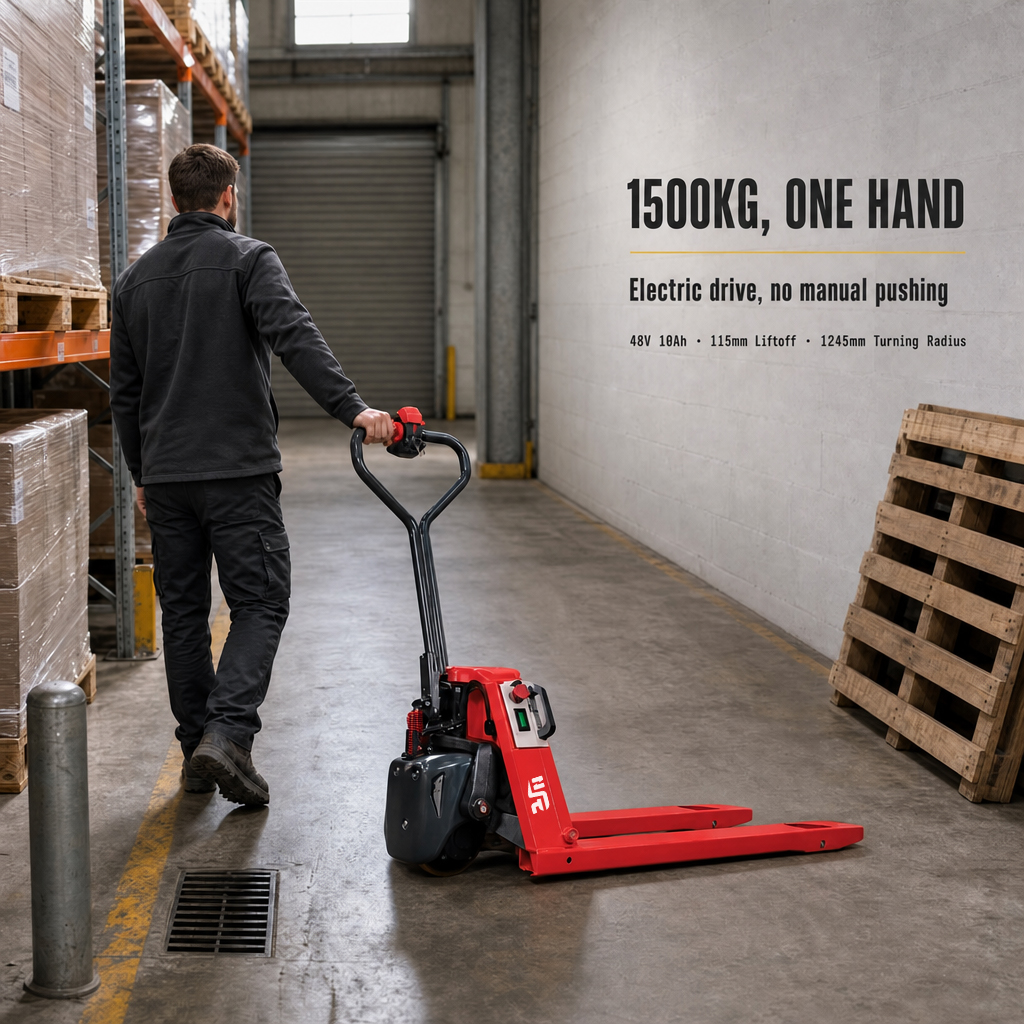
80mm Ground Clearance Electric Pallet Jack 9% Climbing Grade 1450mm Vehicle Length Lithium Pallet Truck for Ramp Use
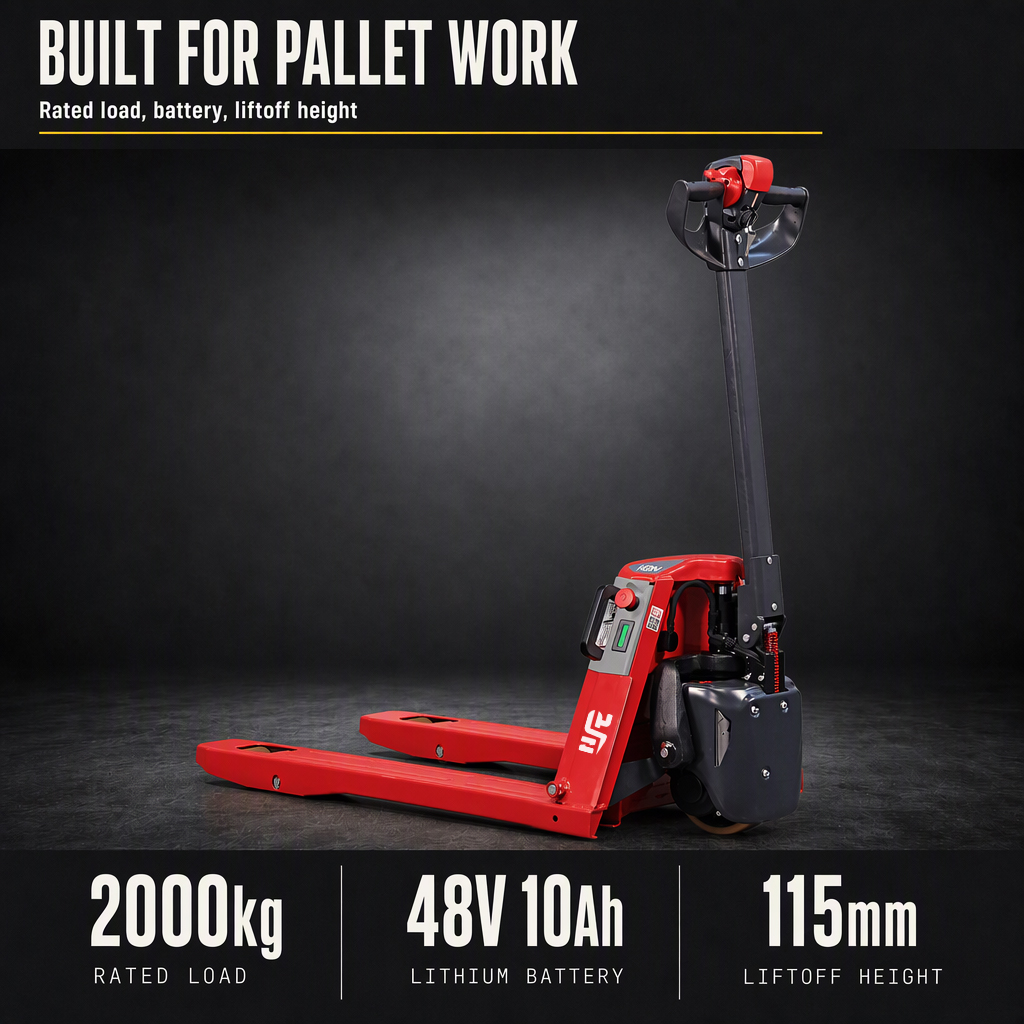
Efficient 2 Ton Electric Pallet Jack 2000kg Capacity: Best Material Handling Solution for Logistics Centers 2026 Hot Sale
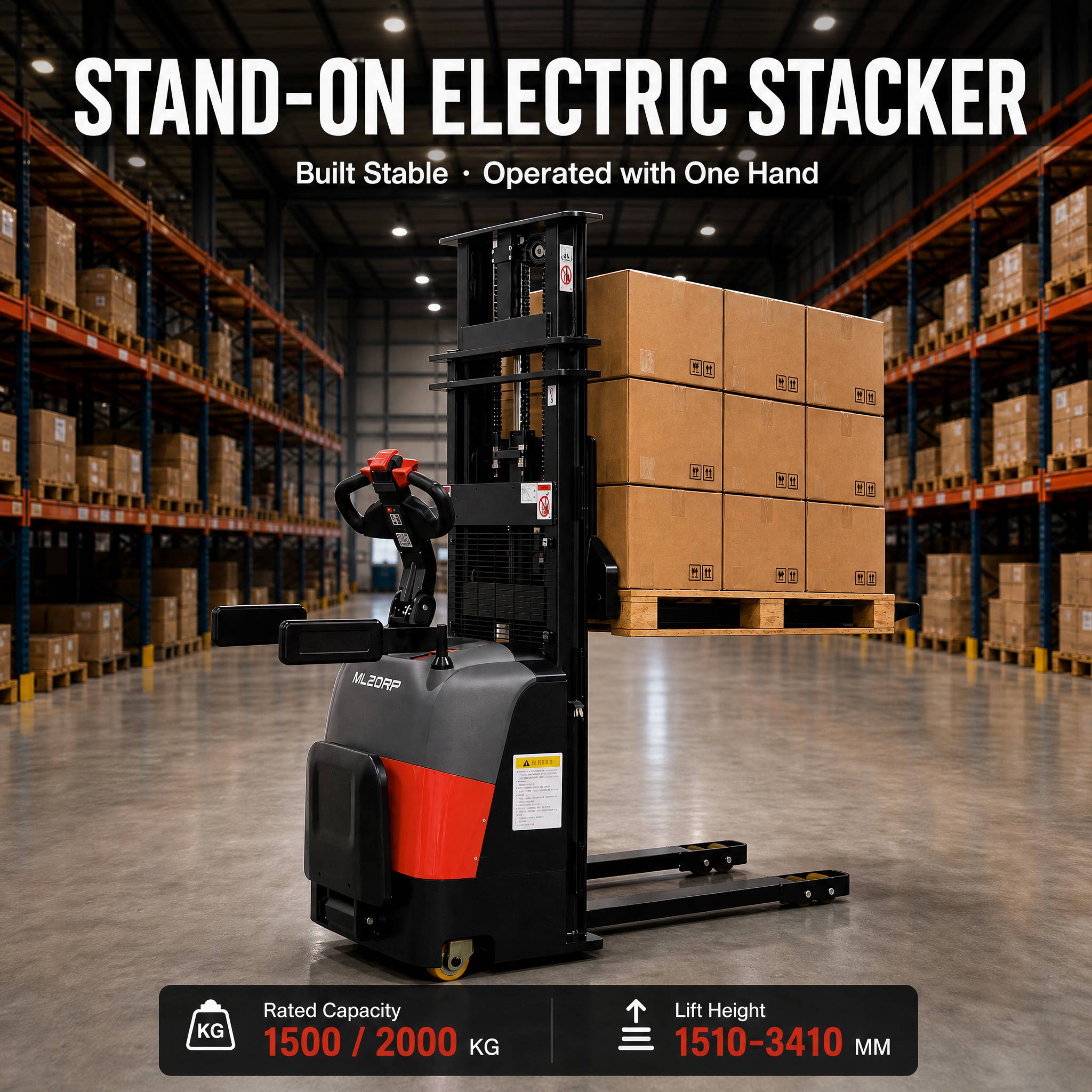
Channel Steel Mast Electric Pallet Stacker 2000kg 90mm Lowered Fork Height Stable High Rack Stacking
Use these eight models as a shortlist, not a final answer. Load weight, pallet type, aisle width, rack height, ramp grade, floor condition, charging routine and destination-market documentation all affect the final configuration. Our application team can map your actual workflow to one or more of the models above.
A Supplier Profile Built Around Dealer, Fleet and OEM Needs
Xiamen Pexal Technology Co., Ltd. was founded in Xiamen, Fujian in 2024 as the sales, service and technical support base for Pexal material handling equipment. We work with a partner manufacturing campus that supports the production scale, customization and export documentation required by distributors and project buyers.
Why Pexal Is a Practical OEM/ODM Automatic Pallet Truck Partner
A strong supplier page should answer the buyer’s real question: “Can this supplier support my market, my customization request and my after-sales obligations?” The advantages below are grounded in verifiable company information, manufacturing scale, customization capability and export support rather than generic marketing claims.
SGS-Assessed & Onsite-Verified
Our company has passed a supplier assessment and onsite check conducted by SGS Group. Business type, main products, main markets and operational capabilities have been reviewed onsite. A verified company video is available for buyers who need a first-round supplier screening before requesting samples or drawings.
Source-Direct Factory Program
The partner manufacturing base covers a 220,000 m² campus with more than 1,200 production and quality personnel. For dealers, rental companies and project buyers, that scale supports container consolidation, recurring model stock, seasonal promotions and stable product availability.
Sample, Full & ODM Customization
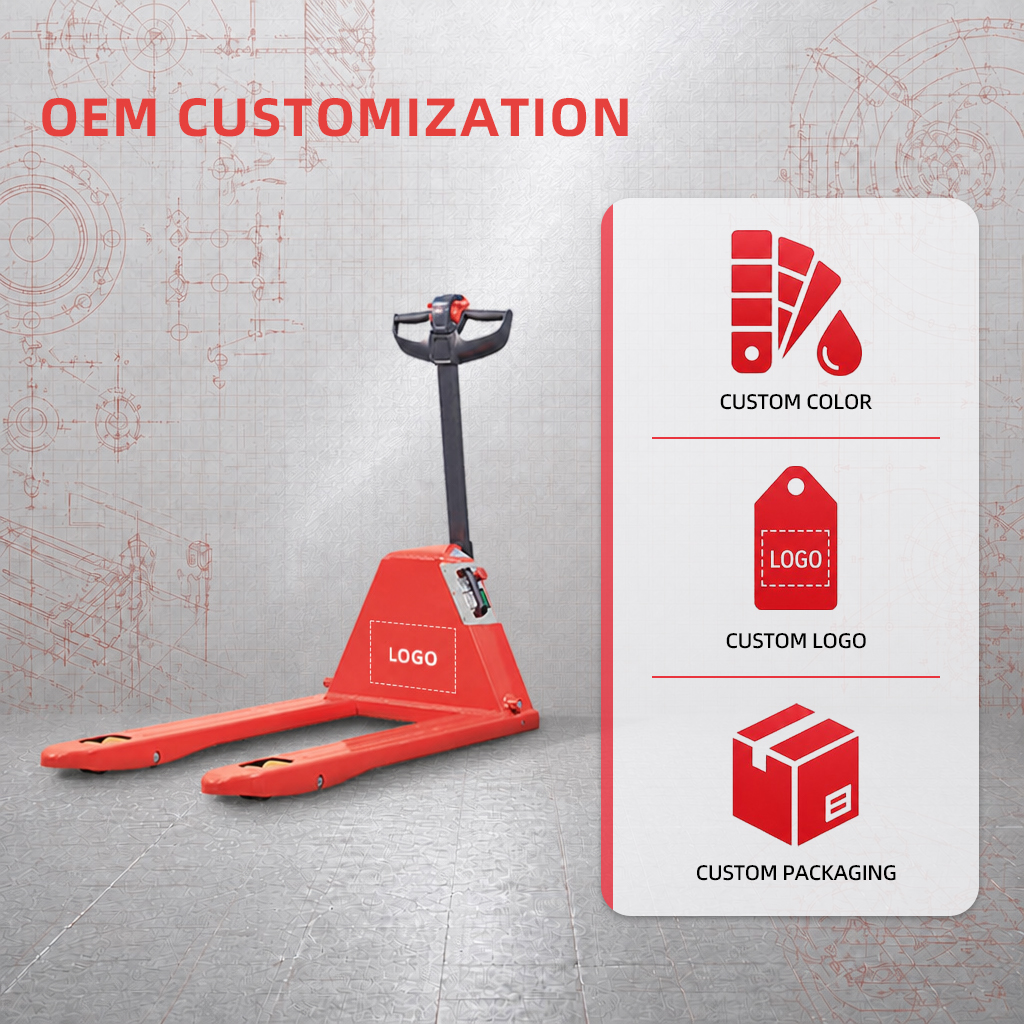
We support sample-based customization, full customization and ODM services. Typical customization points include mast height, fork length, battery type, voltage, charger configuration, color, logo, decals, manual language and attachments. For dealers with a clear market position, ODM discussions can begin from drawings, reference photos or target specifications.
One-Stop Material Handling Range
Buyers can consolidate electric pallet trucks, pallet stackers, electric forklifts, reach trucks, order pickers and AGV-related equipment through one supplier relationship. This reduces sourcing complexity, simplifies spare-parts planning and creates opportunities for mixed-container or mixed-fleet dealer programs.
Application Engineering Support
Our team can review load data, pallet dimensions, aisle width, rack height, floor surface, ramp grade and duty cycle before proposing a model. For projects moving from manual handling to electric handling, this front-end review can prevent over-specification, under-specification and avoidable downtime after delivery.
Export Terms & Market Support
We accept FOB, CFR, CIF, EXW, FCA, CPT, CIP, DDP and other common delivery terms. Payment options include T/T, L/C, D/P, D/A, Western Union, PayPal, credit card and escrow, with currencies such as USD, EUR, GBP, JPY, CAD, AUD, HKD, CHF and CNY supported for export discussions.
What Serious Buyers Compare Before Asking for a Quote
Search intent around “OEM/ODM automatic pallet truck factory” usually mixes price discovery, supplier verification, model selection and after-sales risk. The buying decision is rarely only about the unit price. It is about cost per pallet moved, fit to physical constraints, compliance documentation and uptime over several years.
Total Cost of Ownership
Compare battery cycle life, charging strategy, hydraulic service intervals, wheel replacement, controller reliability and downtime exposure. A lower initial quote can become more expensive if the battery, charger or spare parts do not match the actual shift pattern.
Aisle, Rack & Ramp Physics
Aisle width, top rack height, pallet overhang, floor slope and ramp grade must be measured before choosing a stacker or pallet jack. A model with high lift capacity but the wrong turning radius can slow every movement in a narrow warehouse.
Documentation Readiness
For distributors, product manuals, voltage, plug type, labels, warning decals and technical data should match the destination market. Final compliance validation remains the importer’s responsibility, so an early documentation checklist reduces surprises during customs clearance and dealer onboarding.
Serviceability & Parts
A dealer-ready supplier should provide exploded diagrams, spare-parts lists, service videos or technical guidance for key components. Ask how quickly controllers, chargers, wheels, hydraulic units and switches can be supplied after the first container order.
How B2B Buyers Will Shortlist Pallet Trucks from 2026 to 2030
Procurement teams are moving from one-off price comparison toward structured supplier scorecards. For automatic pallet trucks and electric stackers, the strongest buying signals are likely to be energy architecture, safety documentation, parts availability, customization speed and the ability to connect equipment data to warehouse management systems.
TCO-First Procurement
Buyers increasingly compare energy consumption, maintenance labor, battery replacement timing and downtime risk rather than only the FOB price. A lithium pallet truck may be evaluated alongside its charger, spare battery strategy and local service plan. For distributors, this trend favors suppliers who can provide a clear configuration sheet and predictable parts support.
Lithium Power & Opportunity Charging
Lithium power is becoming a default consideration for retail delivery, food handling, cold-chain logistics and multi-shift warehouses where opportunity charging and lower weight matter. The procurement question is shifting from “lithium or lead-acid?” to “which lithium capacity, charger and operating window fit our daily duty cycle?”
Dealer Programs & Container Economics
Dealers want more than a single pallet truck. They need mixed models, branded cartons, manual localization, spare-parts kits and repeatable packaging. The ability to combine pallet trucks, stackers and small warehouse equipment into a practical container plan can improve landed-cost efficiency without sacrificing model choice.
Data-Ready Equipment
Fleet managers are beginning to ask for telematics readiness, battery monitoring, access control and fault-code visibility. Full AGV automation is not required for every warehouse; however, equipment that is designed for easier digital integration can protect a buyer’s investment as WMS and fleet-management expectations evolve.
Indoor Air, Noise & ESG
Electric handling supports cleaner indoor air and lower noise in food, beverage, pharmaceutical and retail environments. Procurement teams are adding ESG questions to RFQs: energy source, recyclability of packaging, battery handling and safety training. These questions are becoming commercial criteria, not only corporate reporting language.
Automation Bridge
Many warehouses will move step by step: manual pallet trucks first, then electric pallet trucks, then stackers or reach equipment, and selectively toward automated guided equipment. Suppliers that can support this progression with consistent battery, control and documentation standards may win longer-term dealer and fleet relationships.
Example RFP Weighting for Pallet Truck Suppliers
This illustrative scoring model helps procurement teams compare offers. It is not presented as an industry statistic; it is a practical framework buyers can adapt to their own site and market.
Where Automatic Pallet Trucks Are Heading
The next generation of electric pallet trucks is being shaped by five practical pressures: lighter machines for delivery and multi-floor use, stronger ramp capability, higher rack stacking, narrower aisle access and smarter safety. The models in our current catalog already show several of these directions.
Ultra-Light Lithium Platforms
The 107 kg electric pallet jack class is significant for truck delivery, retail backrooms and multi-floor buildings where equipment weight affects handling and floor pressure. A lighter machine can improve last-mile flexibility, but buyers must still validate rated capacity, ramp performance and battery runtime for their actual loads.
Ramp-Ready Ground Clearance
Models designed with 80 mm ground clearance, a 9% climbing grade and a 1450 mm vehicle length address loading ramps and uneven transitions more directly than standard dock-only pallet trucks. For ramp use, the real grade, load center, floor surface and stopping distance should always be checked by an engineer.
Stand-On Stacking & High Racks
The 2,000 kg stand-on electric pallet stacker with 3.41 m lift height, channel-steel mast and 1480 mm turning radius reflects demand for higher utilization in limited floor space. Warehouses want to reach higher rack levels without moving to a larger counterbalance truck, but mast height, overhead clearance, rack load rating and aisle width must be validated together.
Narrow-Aisle & Truck Delivery Handling
The portable 2T lithium pallet jack with 48V efficiency is designed for narrow-aisle warehouse and truck delivery handling. This reflects a broader trend: buyers want one compact platform that can move from a distribution center aisle to a delivery vehicle while maintaining predictable battery performance and simple operator controls.
Structural Durability & Lower Fork Height
Channel-steel masts, stable high-rack stacking and 90 mm lowered fork height are responses to repeated lifting cycles and low-clearance pallet entry. Equipment buyers should ask for the complete duty cycle, not just the maximum lift height, because frequent partial lifts and high-cycle shifts can place different demands on the hydraulic and mast system.
Smart Safety & AGV Readiness
Future pallet trucks will increasingly include better operator presence sensing, speed control, fault diagnostics and data interfaces. For buyers not ready for AGV deployment, choosing suppliers with a broader automation and intelligent equipment roadmap can reduce integration risk when the warehouse later adopts automated guided forklifts or connected fleet management.
Match the Truck to Load, Aisle, Ramp and Duty Cycle
The fastest way to improve quote accuracy is to send a complete application brief. Use the matrix below as a starting point, then confirm the final configuration with our engineers before ordering.
| Buyer Scenario | Recommended Direction | Why It Matters | Check Before Order |
|---|---|---|---|
| Dock-to-truck transfer | 1.5–2T lithium walkie pallet truck | Compact horizontal movement, fast charging and low operator fatigue | Dock plate, ramp, floor gaps, charger location, daily trips |
| Heavy-duty warehouse use | 2T professional electric pallet jack | Stable control and heavy-duty capacity for repeated pallet moves | Pallet weight, duty cycle, wheel type, maintenance access |
| High-rack stacking | 2T stand-on stacker or channel-steel mast stacker | Higher lift with improved operator control and positioning | Lift height, rack load, overhead clearance, aisle width |
| Loading ramp use | 80 mm clearance, 9% grade ramp-capable pallet truck | Better ground clearance and grade capability for sloped transitions | Actual grade, load center, surface friction, stopping distance |
| Narrow aisle & delivery vehicle | Portable 2T 48V lithium pallet truck | Compact handling for warehouse aisles and truck delivery | Aisle width, vehicle floor, battery exchange, charging |
| Retail, multi-floor or route delivery | Ultra-lightweight 107 kg electric pallet jack | Lower equipment weight for handling flexibility | Rated load, floor protection, elevator dimensions, runtime |
| Logistics center throughput | Efficient 2T electric pallet jack | Balances capacity, control and repeat movement efficiency | Hourly trips, operator training, spare-parts plan |
| Dealer OEM/ODM program | Customized model mix with branding and spare-parts kit | Builds a market-specific catalog rather than a single SKU order | Logo, color, voltage, plug, manual language, packaging, MOQ |
Automatic Pallet Truck Purchasing Questions Buyers Ask Most
These answers address common commercial and technical questions from importers, dealers, rental fleets and warehouse managers. For model-specific confirmation, share your load, aisle, lift height, ramp and voltage requirements with our team.
What does “automatic pallet truck” mean in this catalog?
How do I choose between a pallet truck, a stacker and a stand-on stacker?
What specifications should I send for an accurate quotation?
Can you customize an existing model or develop an ODM version?
Which Incoterms, payment methods and currencies do you accept?
How do you control quality before shipment?
What after-sales information can be provided?
How can I verify the supplier before placing an order?
Plan Your 2026 Pallet Truck Program With an Application Review
Send us the load weight, pallet size, aisle width, rack height, ramp grade, duty cycle, target voltage and branding requirements. Our team will use that information to recommend a practical model shortlist, charging configuration, packaging direction and export terms. For dealers and distributors, ask about OEM/ODM branding, mixed-model container planning and spare-parts support.
Email: info@pexalbot.com · Xiamen Pexal Technology Co., Ltd. · Xiamen, Fujian, China