Custom OEM Industrial Electric Forklift Factories & Wholesaler
A procurement-grade guide to custom electric forklifts, pallet trucks, and stackers from an SGS-assessed China supplier. Configure lithium power, narrow-aisle geometry, branding, documentation, and export packaging around your market—not around a generic catalog.
Eight OEM Electric Forklift and Warehouse Truck Platforms for Distributor Programs
These eight platforms cover the fastest routes to a distributor-ready electric handling program: high-lift stand-on stackers, maintenance-free warehouse stackers, slim-body pallet jacks for elevators, 2T lithium pallet jacks for truck delivery, and 3.41m lift stackers for racking. Product URLs are preserved so your engineering team can compare mast, battery, chassis, and application details directly.
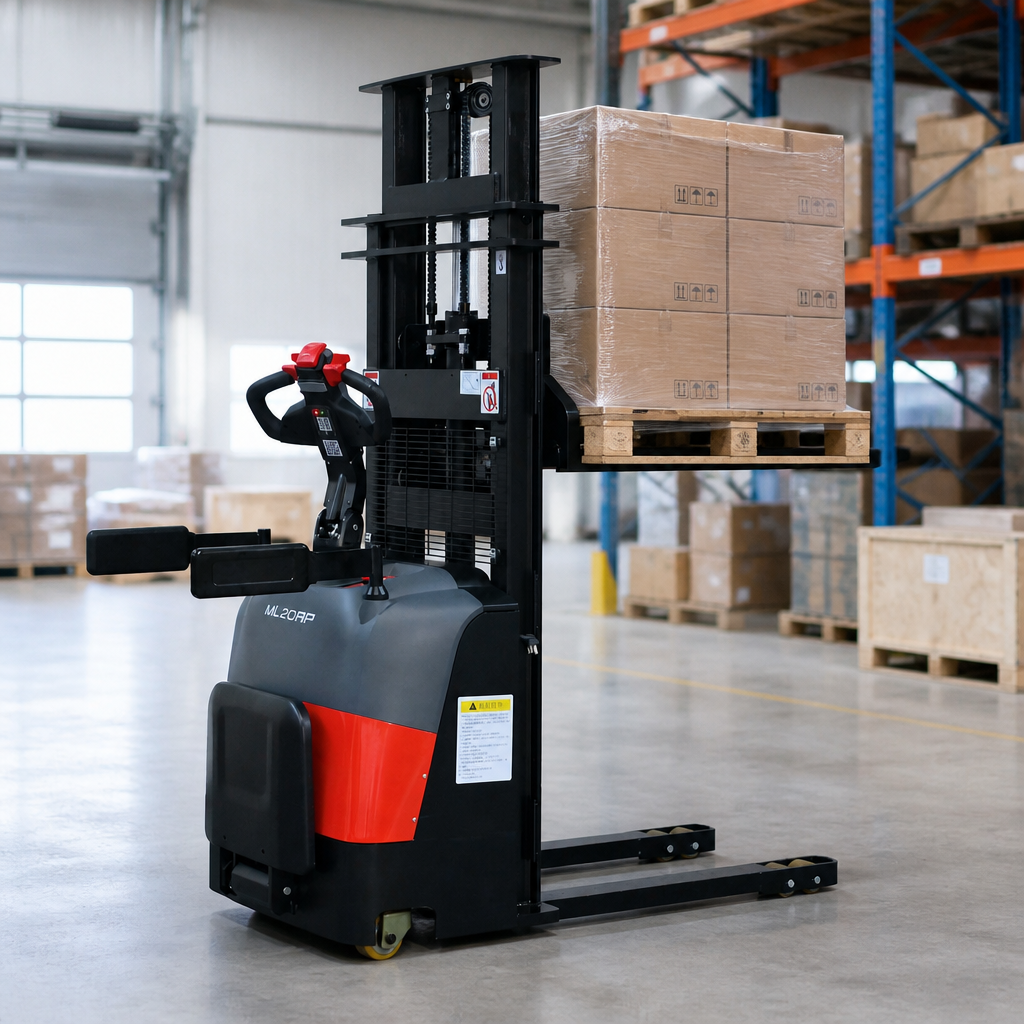
Electric Pallet Stacker 2000kg 3410mm Lift Height Stand on Stacker Truck for Warehouse Racking Stacking
Recommended for racking, loading bays, and high-cycle warehouse stacking where 3.41m lift and stand-on control reduce operator fatigue.
View OEM specification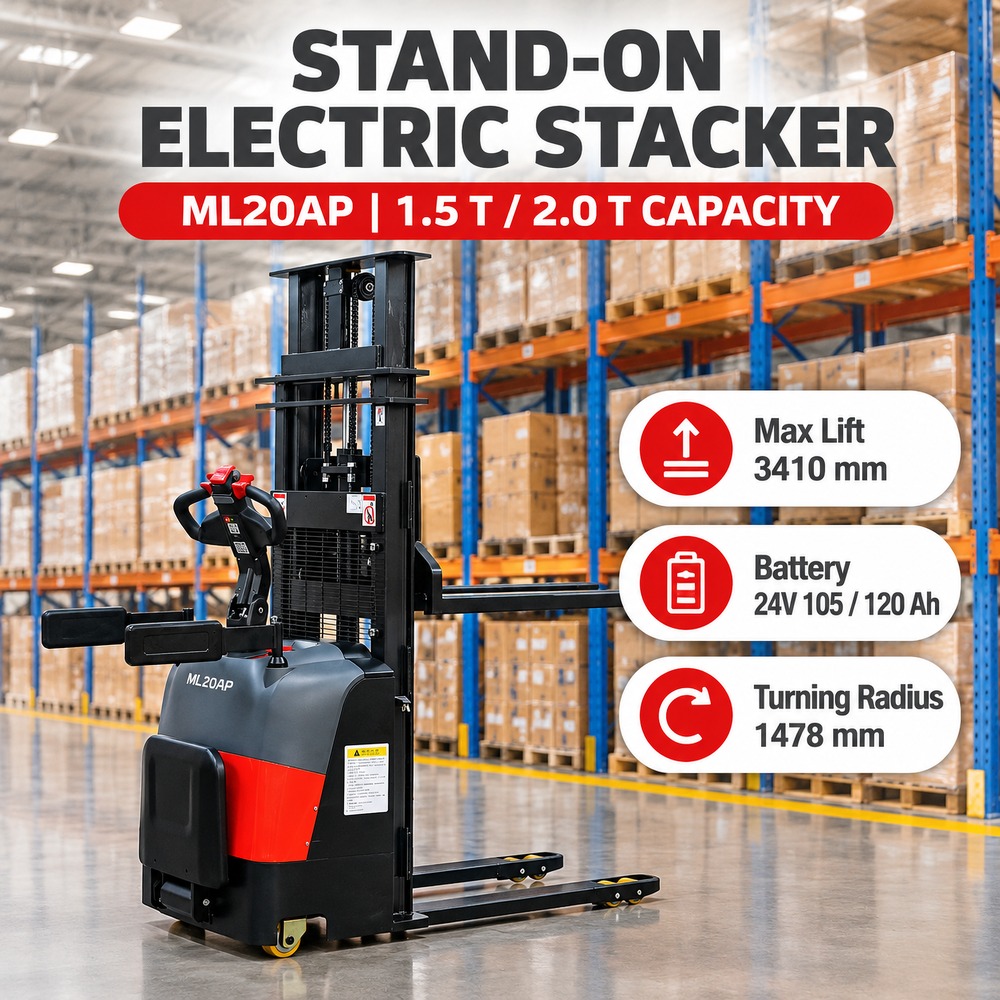
Warehouse Stacker Truck 1500kg 2000kg Electric Pallet Stacker 24V 105Ah Maintenance Free Battery
A strong fit for distributors that need a familiar 24V 105Ah maintenance-free platform across mixed warehouse fleets.
View OEM specification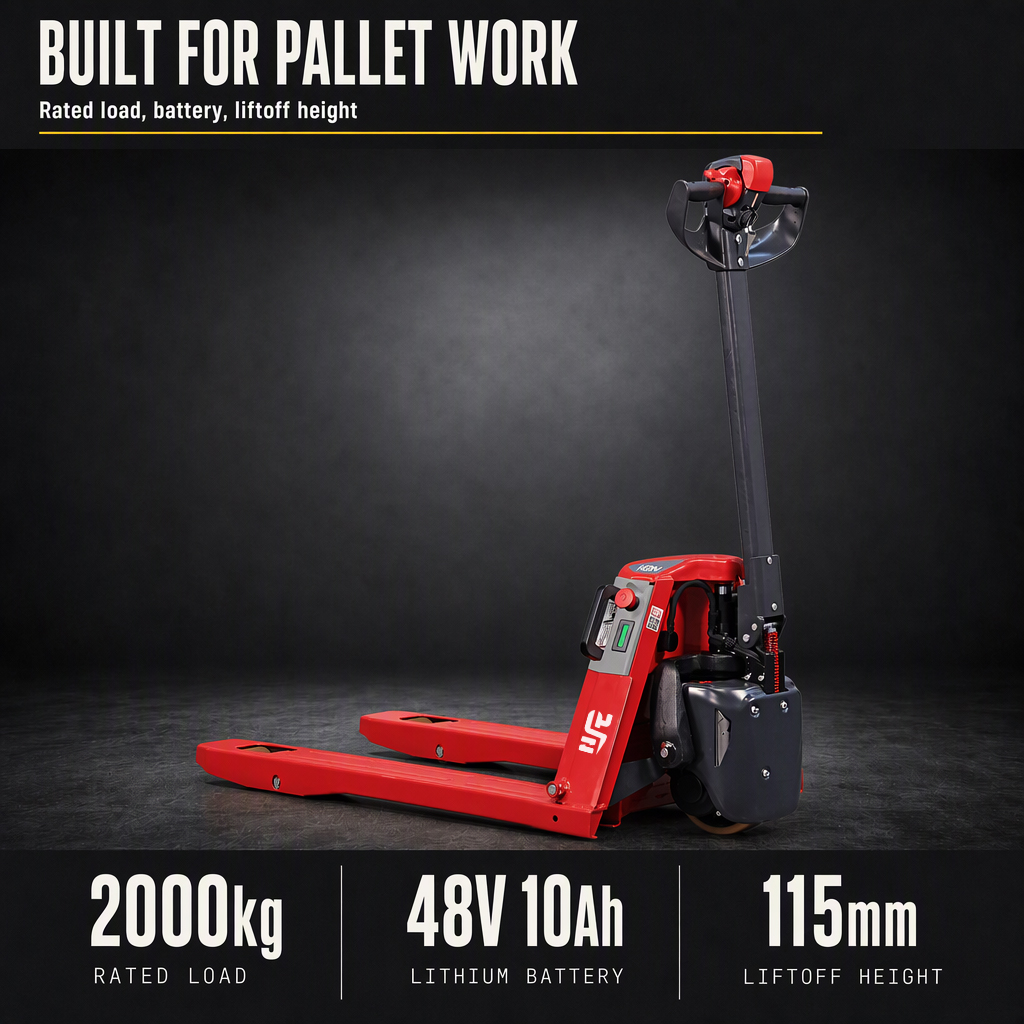
Portable Electric Pallet Jack Lithium Battery 2T for Narrow Aisle Warehouse and Truck Delivery Handling with 48V High Efficiency
Built for narrow aisles and last-mile truck delivery, with lithium power and 48V efficiency for fast opportunity charging.
View OEM specification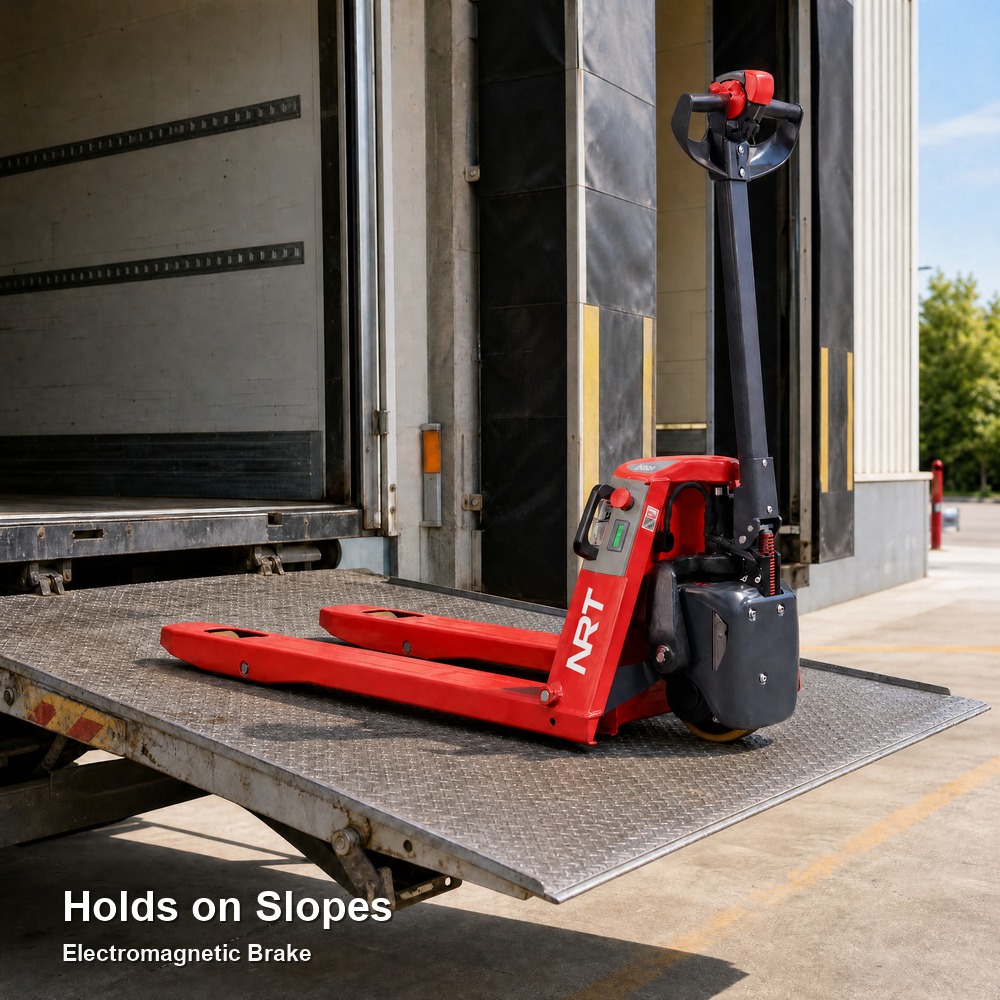
Electric Pallet Jack 1500kg 300mm Slim Body Walkie Pallet Truck for Elevator Freight Box Narrow Aisle Handling
A 300mm slim body helps move pallets through elevators, freight boxes, and tight retail backrooms without blocking aisles.
View OEM specification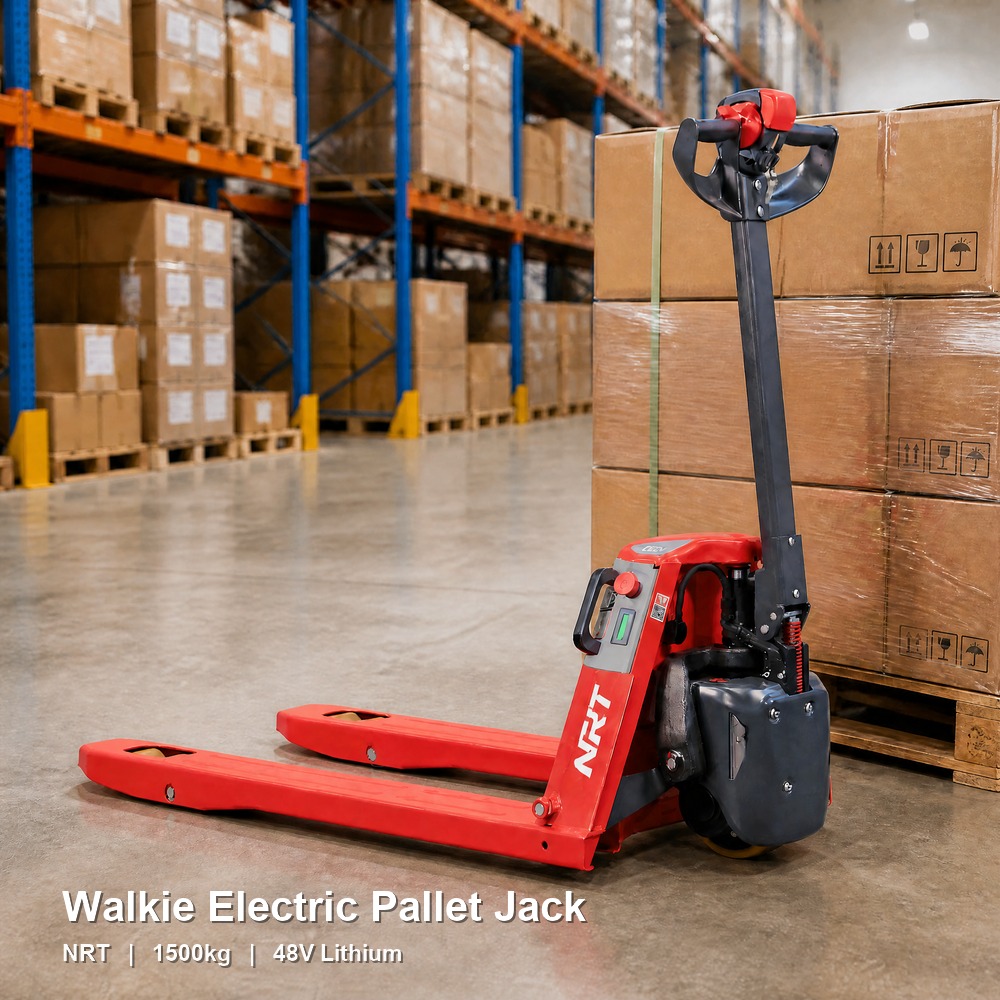
Electric Pallet Jack 1500kg 2000kg Walkie Pallet Truck Battery Powered Lithium Pallet Jack for Warehouse Loading
A flexible 1.5–2T walkie platform for warehouse loading, mixed pallet sizes, and battery-powered horizontal transport.
View OEM specification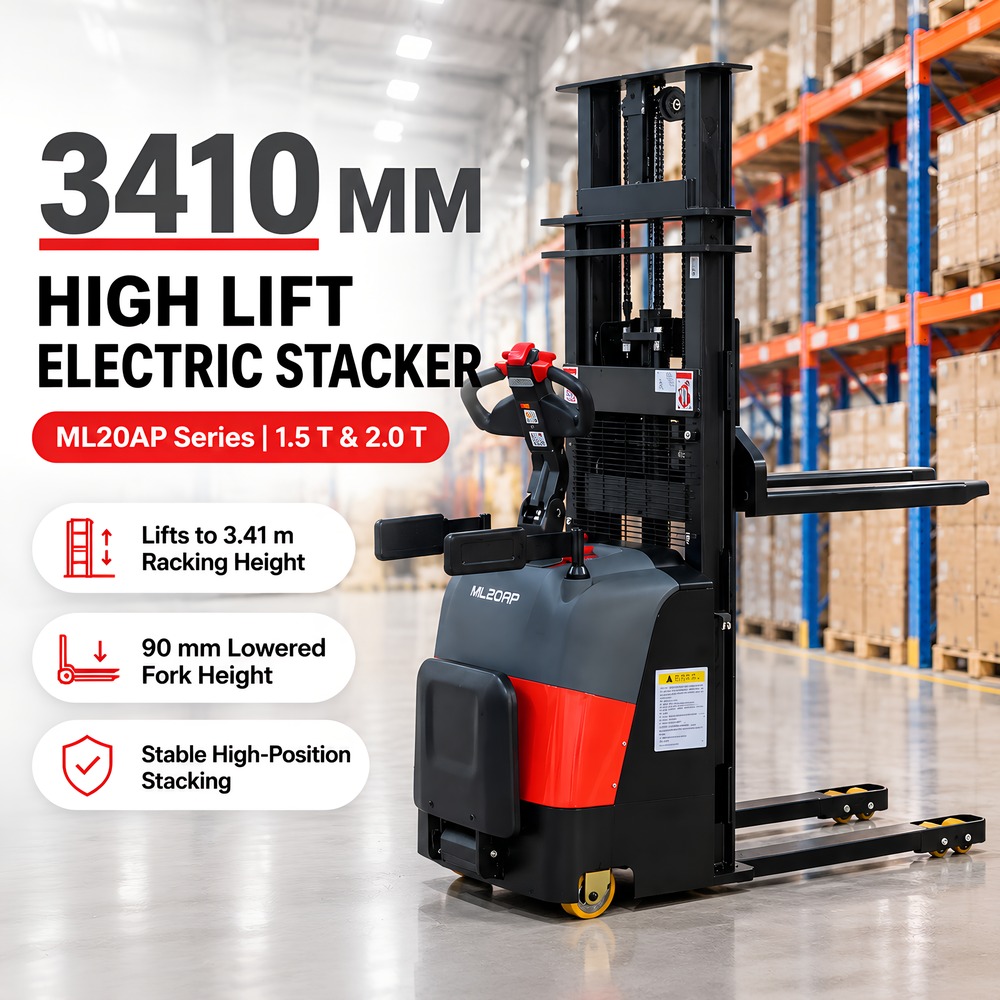
ML20AP Stand on Electric Stacker Truck 2000kg Warehouse Stacker for Narrow Aisle Loading Dock Building Material Shops
For yards, loading docks, and building-material shops that need 2T capacity in a compact stand-on stacker footprint.
View OEM specification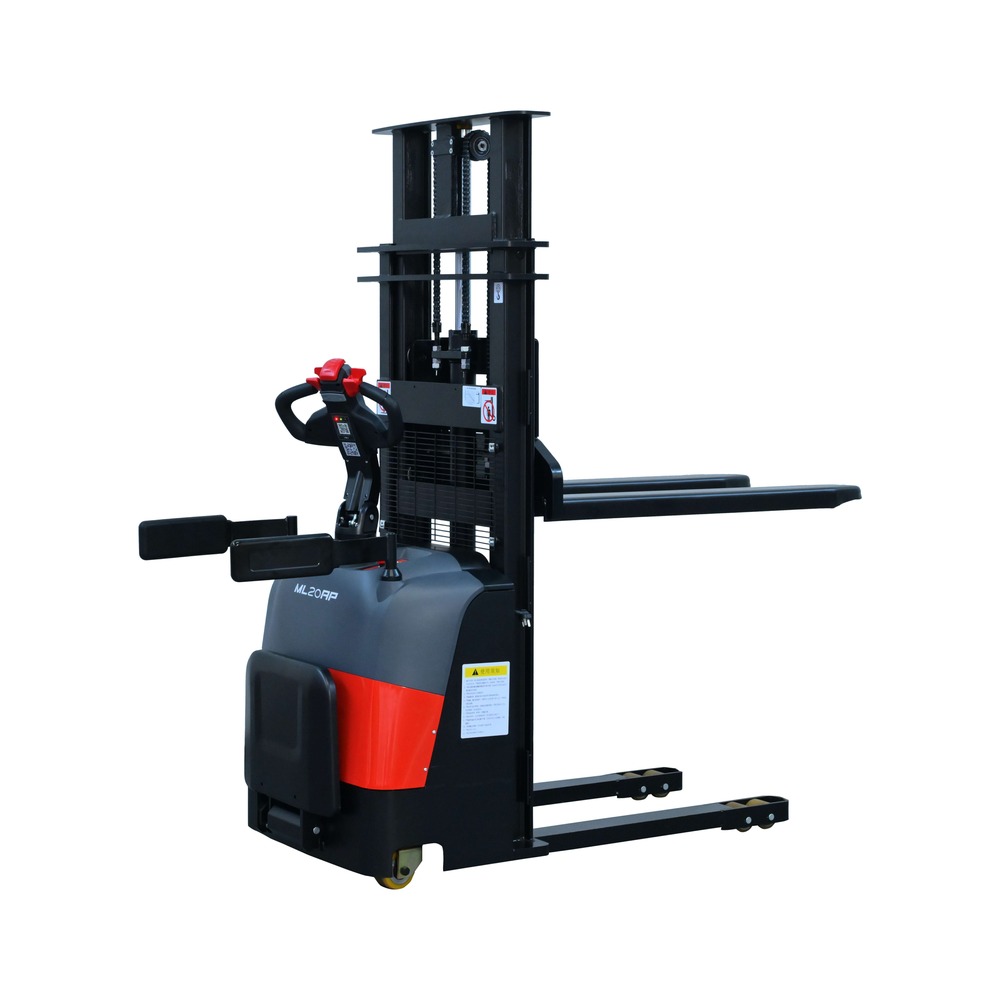
2000kg Stand on Electric Pallet Stacker 3.41m Lift Height Pallet Stacker Truck Channel Steel Mast 1480mm Turning Radius
A 3.41m lift height, channel-steel mast, and 1480mm turning radius make this a practical narrow-aisle racking candidate.
View OEM specification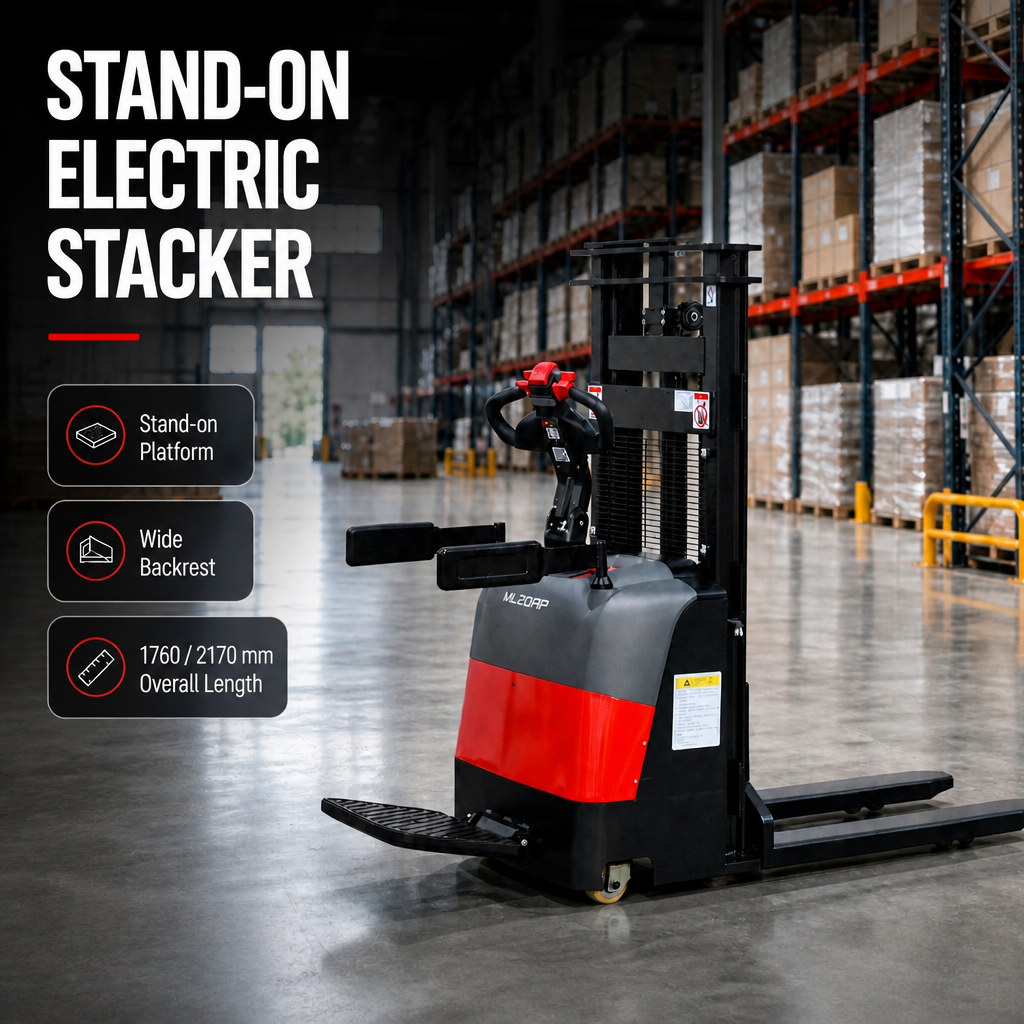
Electric Stacker Truck 2000kg Pallet Stacker Forklift 3410mm Lift for Warehouse Loading Unloading
An all-round 2T electric stacker for loading and unloading, ideal as a dealer entry model or fleet supplement.
View OEM specification
Why Custom OEM Electric Forklift Sourcing Is Now a Strategic Decision
Electric forklifts are no longer a simple price comparison between undifferentiated chassis. In modern warehouses, the equipment touches racking design, labor productivity, safety planning, charging infrastructure, spare-parts strategy, and ESG reporting. A forklift that is inexpensive at quotation stage can become expensive if its battery profile does not match a two-shift operation, if its mast geometry forces a wider aisle, or if its controller and spare parts are not supported locally. This is where a custom OEM program creates real information gain: buyers can compare engineering assumptions, not only a unit price.
Xiamen Pexal Technology Co., Ltd. was founded in Xiamen, Fujian in 2024 as the sales, service, and technical support base for Pexal material handling equipment. We work with a 220,000 m² partner manufacturing campus, more than 1,200 employees, and over 100 engineers focused on electric warehouse equipment. Our practical mission is to help buyers move from manual handling to electric handling, and from diesel to battery power, while reducing emissions, noise, and operating cost and preparing for intelligent, digital logistics.
A Partner Ecosystem Built for Container Programs
Figures below reflect the partner manufacturing ecosystem and export footprint presented in the company profile. They matter to buyers because capacity, engineering depth, and export experience determine how quickly a custom specification can move from inquiry to shipment.
Product Development Trends Shaping the Next Generation of Electric Warehouse Trucks
The technical direction is clear: more usable energy per chassis, more intelligence per battery, and more safety per square metre of aisle. Buyers who understand these shifts can write better specifications today and avoid a costly re-fleet decision later.
Lithium and LFP Move Mainstream
Lithium-ion and LFP are moving from premium option to default for high-cycle fleets. Compared with conventional lead-acid batteries, lithium chemistries can support opportunity charging, more usable energy across a shift, and less watering and maintenance. The practical question is not only chemistry; it is warranty structure, charge window, battery management system behavior, and access to a second battery or fast charger. In multi-shift operations, a smaller battery with disciplined opportunity charging can outperform a larger battery with poor charging discipline.
Telematics and Integrated Diagnostics
Telematics is becoming part of the procurement specification. Fleet managers want utilization, fault codes, battery state of health, impact events, and service reminders. This data changes commercial terms: service-level agreements can be planned around actual duty cycles, and dealer technicians arrive with the right parts. Buyers should request data fields, data ownership terms, and integration options before placing a fleet order, rather than treating telematics as a post-delivery accessory that is difficult to retrofit.
Safety Moves From Label to System
Blue spot lights, speed reduction in turns, load sensing, operator presence systems, and ergonomic controls are increasingly specified for narrow aisles and mixed pedestrian traffic. For OEM buyers, safety should be documented by application. A pallet truck used in a retail backroom has different risk exposure from a stand-on stacker working near a loading dock or a high-lift machine in a racking aisle. Equipment selection and operator training must be treated as one system, not two separate purchases.
Automation-Ready Interfaces
Even buyers who are not ready for automated guided forklifts want manual fleets to avoid locking them out of future automation. Standardized pallet positions, predictable route widths, digital work instructions, and equipment data interfaces can reduce the cost of a later AGV or robotics deployment. The strategic mistake is to buy a low-cost truck that cannot communicate with the warehouse management system or be integrated into a phased automation plan. The right OEM partner should be able to discuss the interface now and the automation roadmap later.
Illustrative Buyer Weighting
A practical scorecard used to structure early specification discussions. It is not a market forecast; it is a way to surface assumptions before a quotation becomes a total cost of ownership comparison.
What Distributors and Fleet Owners Are Likely to Demand Next
Procurement is moving from transactional purchasing toward lifecycle risk management. In 2025–2030 tenders, expect more requests for mixed-container programs that combine electric forklifts, pallet trucks, and stackers; pilot units before fleet orders; battery warranties; local-language manuals; and spare-parts kits matched to the fleet. A wholesaler that can document these items is easier to approve than one that can only quote a machine price.
- Total cost of ownership: buyers will ask for energy consumption per hour, charging windows, battery cycle life, tyre and brake wear assumptions, and service intervals.
- Battery and charging strategy: lithium, lead-acid, opportunity charging, fast charging, second-battery plans, and charger voltage must be modeled by shift—not chosen from a brochure.
- Service and spare parts: controller, motor, hydraulic, and mast parts availability; local technician support; and a clear warranty process become part of the commercial comparison.
- Compliance documentation: voltage, plug type, nameplate data, manuals, and destination-market requirements should be confirmed before production, with final compliance responsibility stated clearly.
- Pilot and modular customization: sample validation, mixed-model containers, and phased fleet rollouts reduce the risk of committing to a full container before the first unit is proven.
Custom OEM Industrial Electric Forklift Factories: What Should Be Customizable?
A credible OEM program is more than a color and logo. It aligns mechanical geometry, power architecture, documentation, packaging, and validation. This is especially important for distributors who must support the equipment after the container leaves Xiamen.
Mechanical Geometry
Mast height, fork length, lowered height, turning radius, chassis width, and attachment configuration can be reviewed against the real aisle, racking, elevator, or truck-delivery environment. A few centimetres can decide whether a racking aisle works or whether a pallet jack fits a freight box. Buyers should provide site photos, racking drawings, and load dimensions rather than a model name alone.
Power and Charging
Lead-acid or lithium, voltage, battery capacity, charger type, opportunity-charging behavior, and BMS settings should be matched to duty cycle. Ask for an energy model by shift, not only an Ah rating. For distributor programs, spare batteries, charger compatibility, and local service capability should be agreed before the first order is shipped.
Brand and Documentation
Color, logo, labels, nameplate, manuals, packaging, and plug type can be adapted for a dealer’s market. Customization should survive the shipping container, not just the sales brochure. Clear part-number logic, spare-parts lists, and operator instructions reduce after-sales friction and protect the distributor’s reputation when the equipment reaches the end user.
Compliance and Pilot Validation
Market-specific requirements, sample validation, pre-shipment inspection, packaging tests, and spare-parts planning should be explicit in the project plan. Final compliance depends on configuration and destination, so documentation should be reviewed carefully. A pilot unit is often the cheapest way to discover a voltage, charger, or documentation mismatch before a full container order is produced.
Engineering and Pre-Shipment QC: Where Information Gain Is Earned
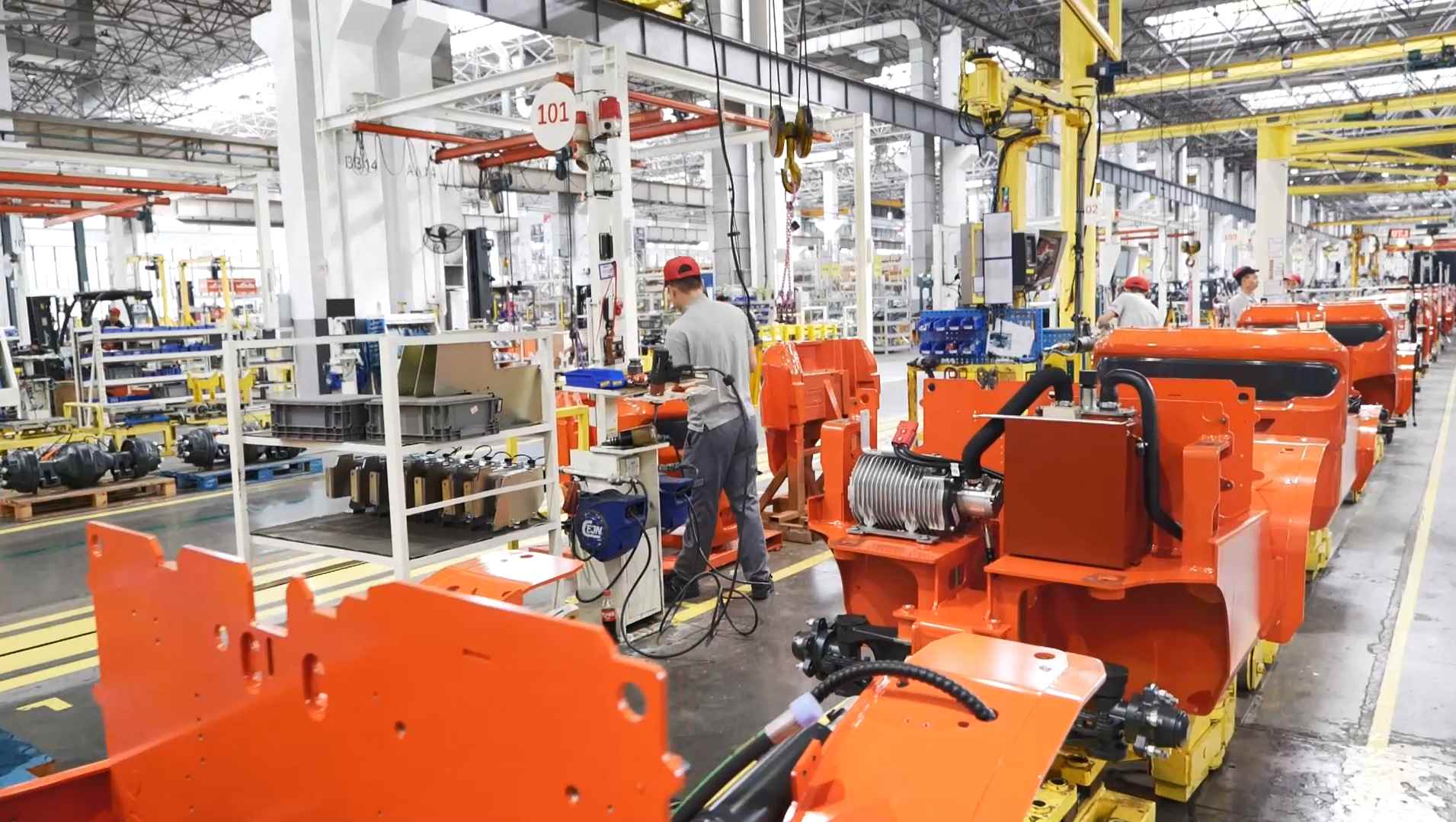
A transparent OEM relationship lets buyers see how a specification becomes a tested machine. Every truck should be developed around the questions fleet managers actually ask: How long will it run per shift? How safe is it in tight aisles? How fast can it be serviced?
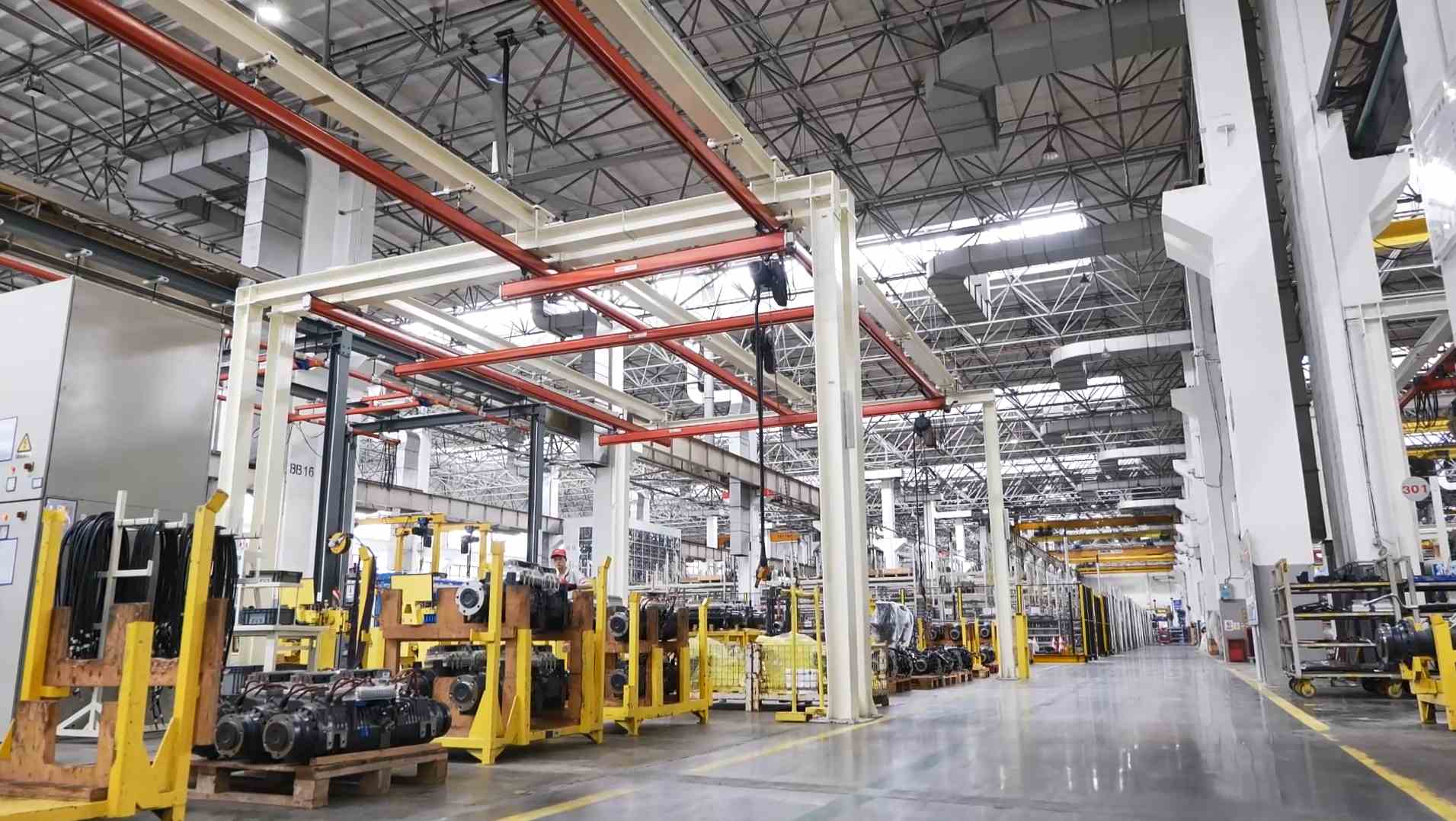
Production & Assembly
Quality Inspection

Factory Capability
A Lower-Risk OEM Partner: Verification, Export Discipline, and Service
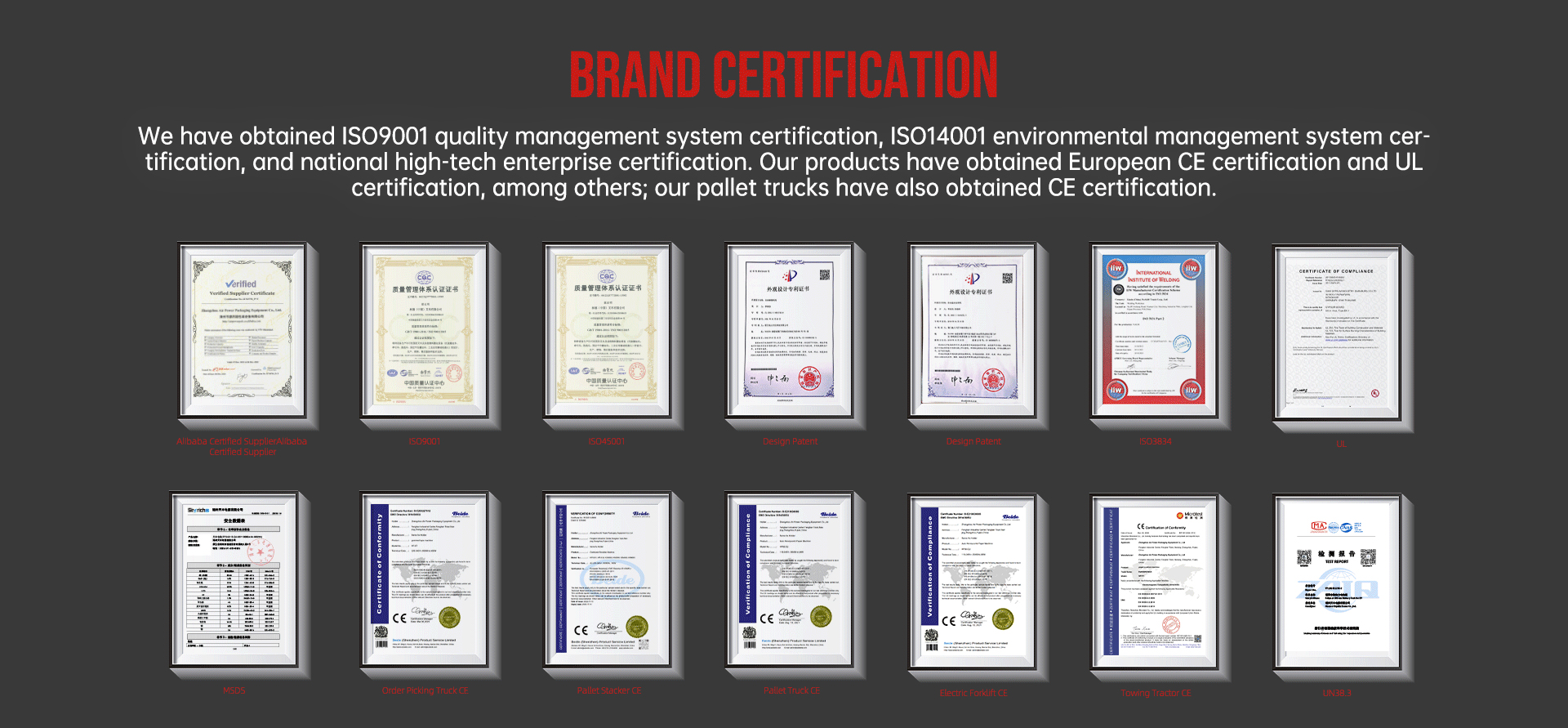
Verification is not a logo; it is a set of checks a buyer can review. The company has passed an onsite check and supplier assessment conducted by SGS Group. Verified capabilities include sample-based customization, full customization, and ODM services, based on contracts reviewed by independent inspectors. Main export markets are Western Europe, North America, South America, Eastern Europe, and Oceania, serving dealers, rental companies, and end users.
SGS-Assessed Supplier
The company has passed a supplier assessment and onsite check carried out by SGS Group. Business type, main products, main markets, and capabilities have been reviewed onsite. Buyers can review the assessment record and verified company video before starting a technical discussion.
View Assessment ReportOnsite Check Verified
Premises and operations have been confirmed by onsite inspection, with legal status validated by a third-party verification company. This reduces the risk of dealing with an unverified intermediary when a distributor needs a repeatable OEM supply channel.
Review Credit IndexCustomization Capability Verified
Verified capabilities for sample-based customization, full customization, and ODM services support discussions on mast height, fork length, battery type, color, logo, and attachment configuration. Trade-capacity records help buyers judge whether the proposed program is realistic for their container size and launch timeline.
Review Trade CapacityExport Terms and Logistics
Common delivery terms include FOB, CFR, CIF, EXW, FCA, CPT, CIP, DDP, and other arrangements. Payment can be discussed through T/T, L/C, D/P, D/A, Western Union, PayPal, credit card, and escrow. Accepted currencies include USD, EUR, GBP, JPY, CAD, AUD, HKD, CHF, and CNY, subject to the final order and destination.
Common Questions From OEM Buyers and Wholesalers
Straight answers for importers, dealers, rental companies, and fleet managers reviewing a custom electric forklift or warehouse truck program.
What is a custom OEM industrial electric forklift program?+
Should I choose a stand-on stacker, a walkie pallet truck, or a full electric forklift?+
Which battery chemistry and charging strategy should I specify?+
Do you support sample-based customization, full customization, and ODM?+
Which Incoterms, payment methods, and currencies can be used?+
Which markets do you export to, and how is quality verified?+
What should be in a first OEM inquiry?+
Plan a Lower-Risk Electric Forklift Program With Pexal
Share the load, aisle, lift height, duty cycle, voltage, destination market, and annual volume. Our application engineers will recommend suitable electric forklift, pallet truck, and stacker platforms, plus battery and charging options, packaging, and documentation for your market.
Email: info@pexalbot.com · Xiamen Pexal Technology Co., Ltd. · Room 1903-2, No. 893 Haicang Avenue, Xiamen, Fujian, China
Technical review is subject to application details and configuration confirmation. No extra script or redirect is added to this quote button.