Eight Electric Stacking Truck Configurations Recommended for Export Buyers
These models cover the operational gap between manual pallet handling, horizontal transport and medium-height stacking. Each listing can be discussed as a standard configuration or developed further as a private-label OEM program, subject to final technical confirmation.
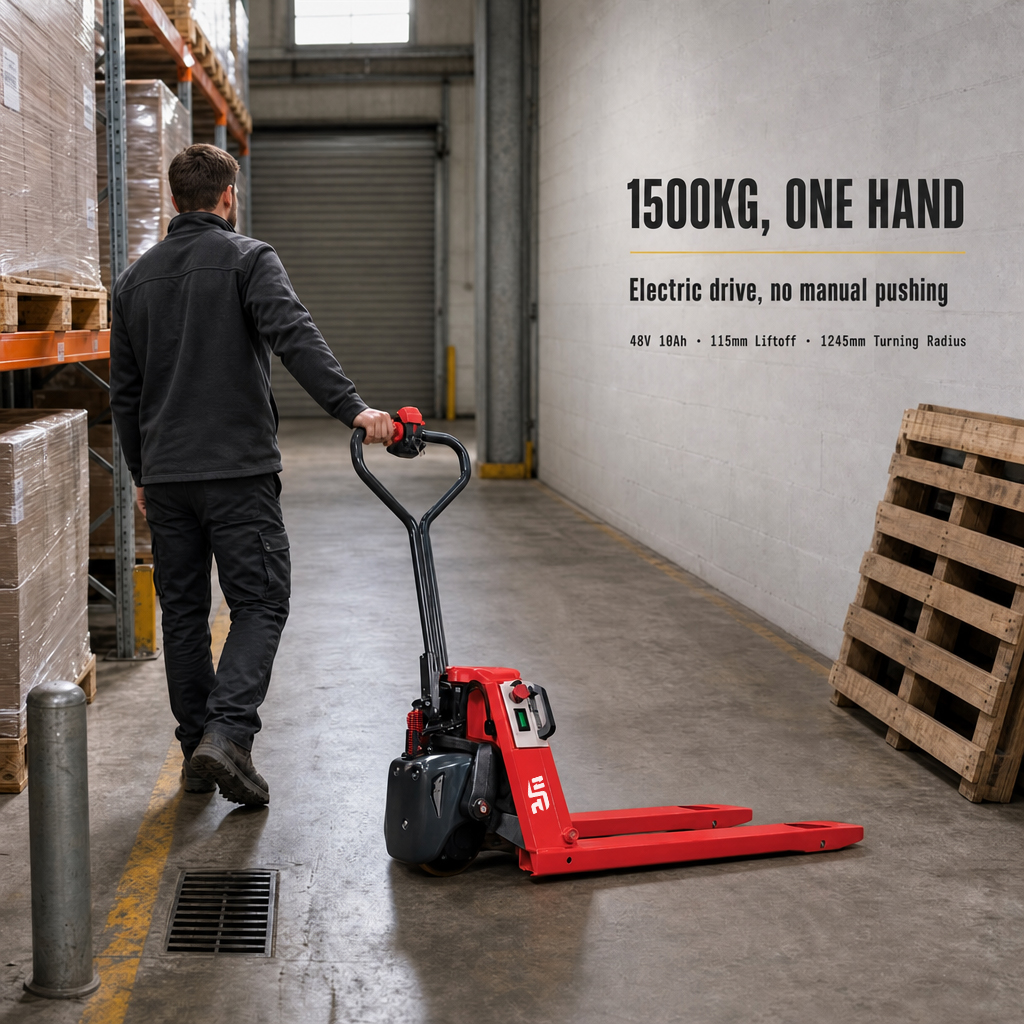
Electric Pallet Truck for Distribution Center Workshop Supermarket Pallet Handling 1500kg Lithium Battery Walkie Jack
A 1,500 kg walkie pallet truck for distribution-center cross-docking, workshop transfers and supermarket pallet movement. The lithium battery platform reduces charging friction for teams that need faster turnaround and less manual strain.
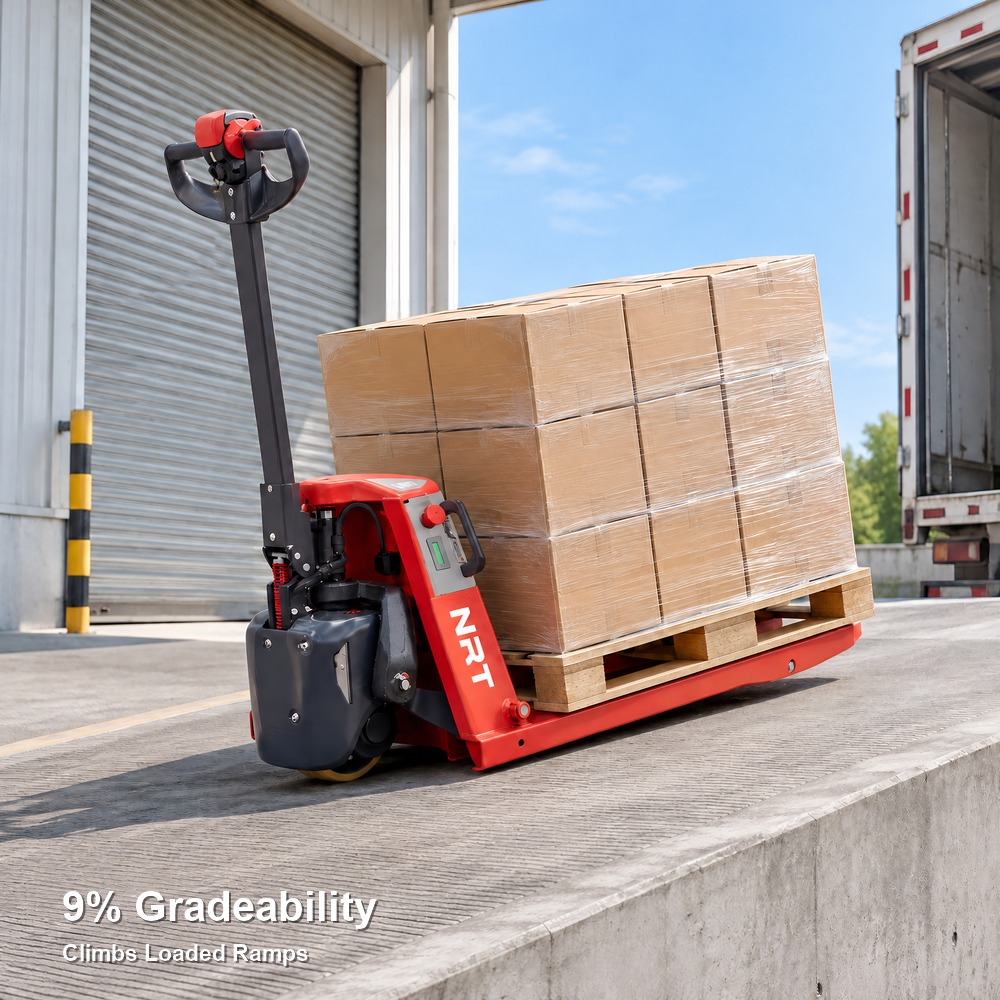
Lithium Battery Electric Pallet Jack Truck 1500kg 2000kg Walkie Pallet Jack Electric Forklift Alternative for Warehouse
A 1,500–2,000 kg walkie pallet jack for warehouse floor transport. A strong candidate where operators currently use manual hydraulic jacks and want faster cycle time, lower physical fatigue and an electric-forklift alternative for low-level moves.
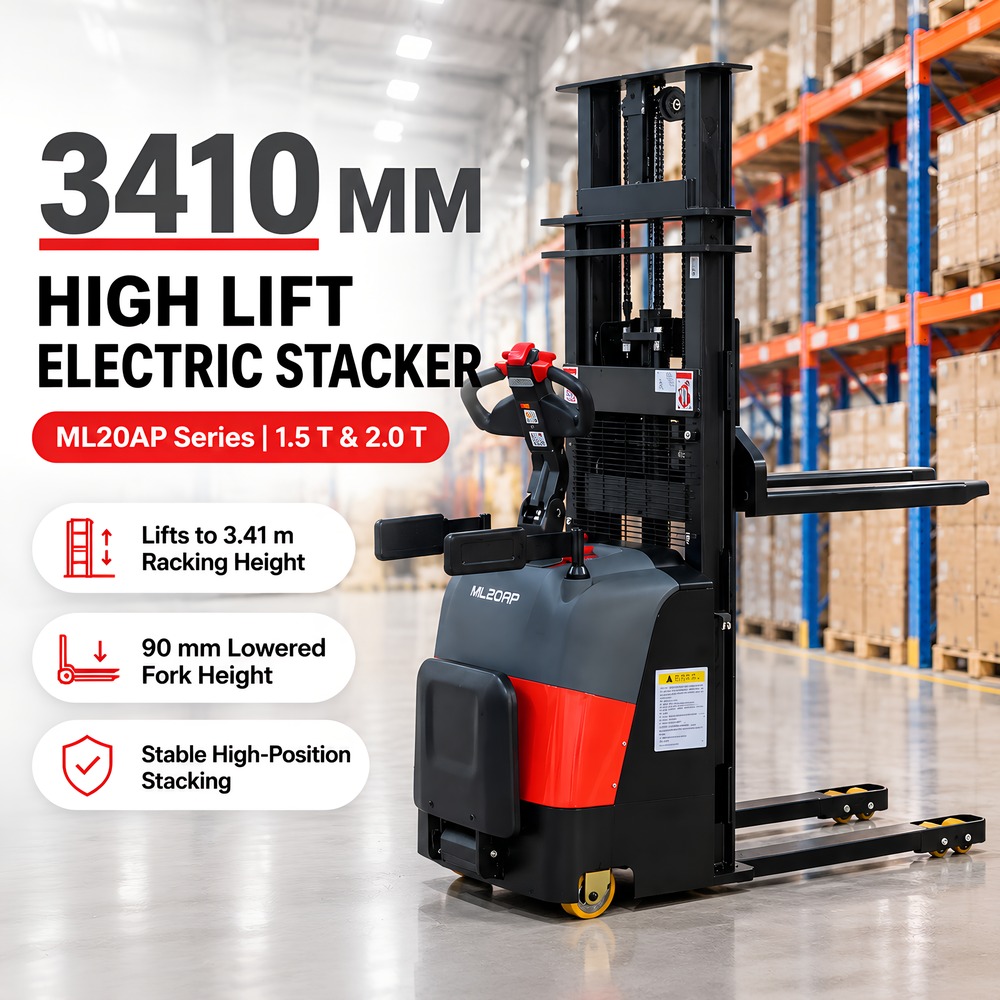
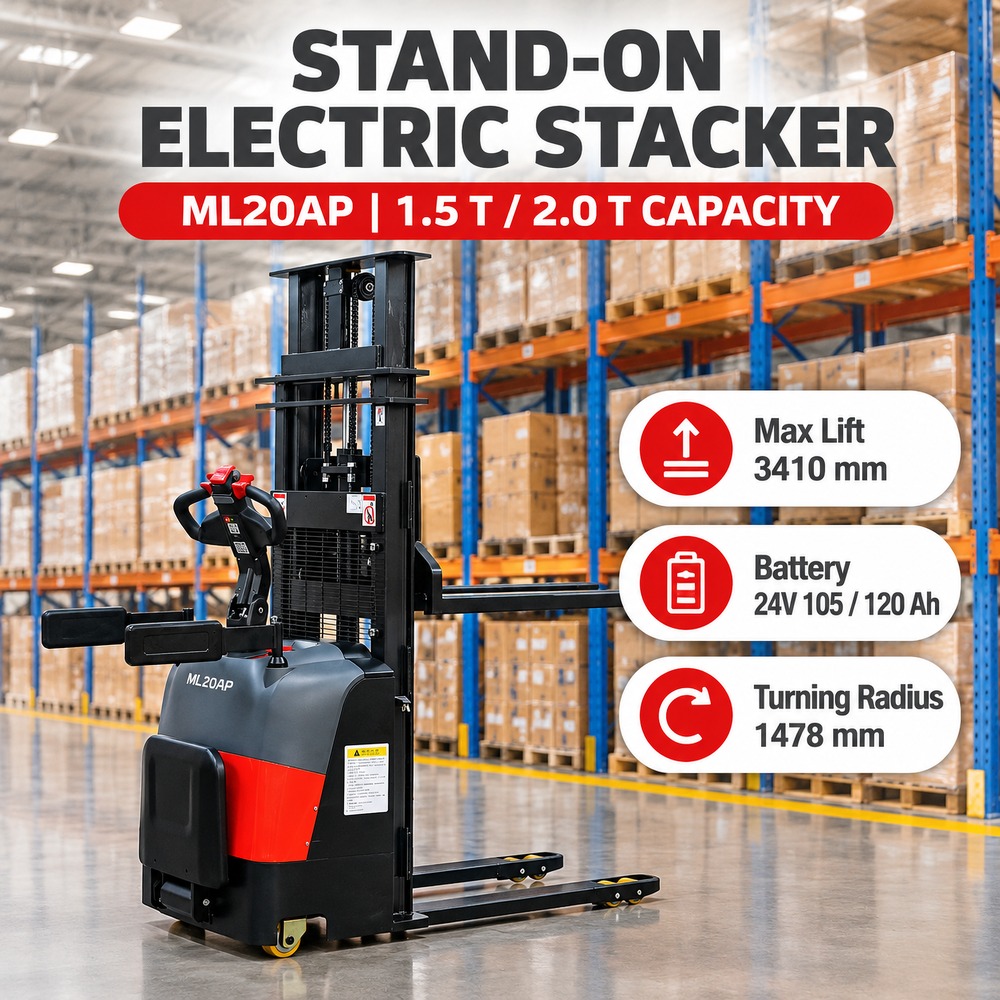
ML20AP Stand on Electric Stacker Truck 2000kg Warehouse Stacker for Narrow Aisle Loading Dock Building Material Shops
A 2,000 kg stand-on electric stacker for loading docks, narrow aisles and building-material shops. The stand-on format supports longer travel distances while keeping a compact footprint for stacking work and pallet positioning.
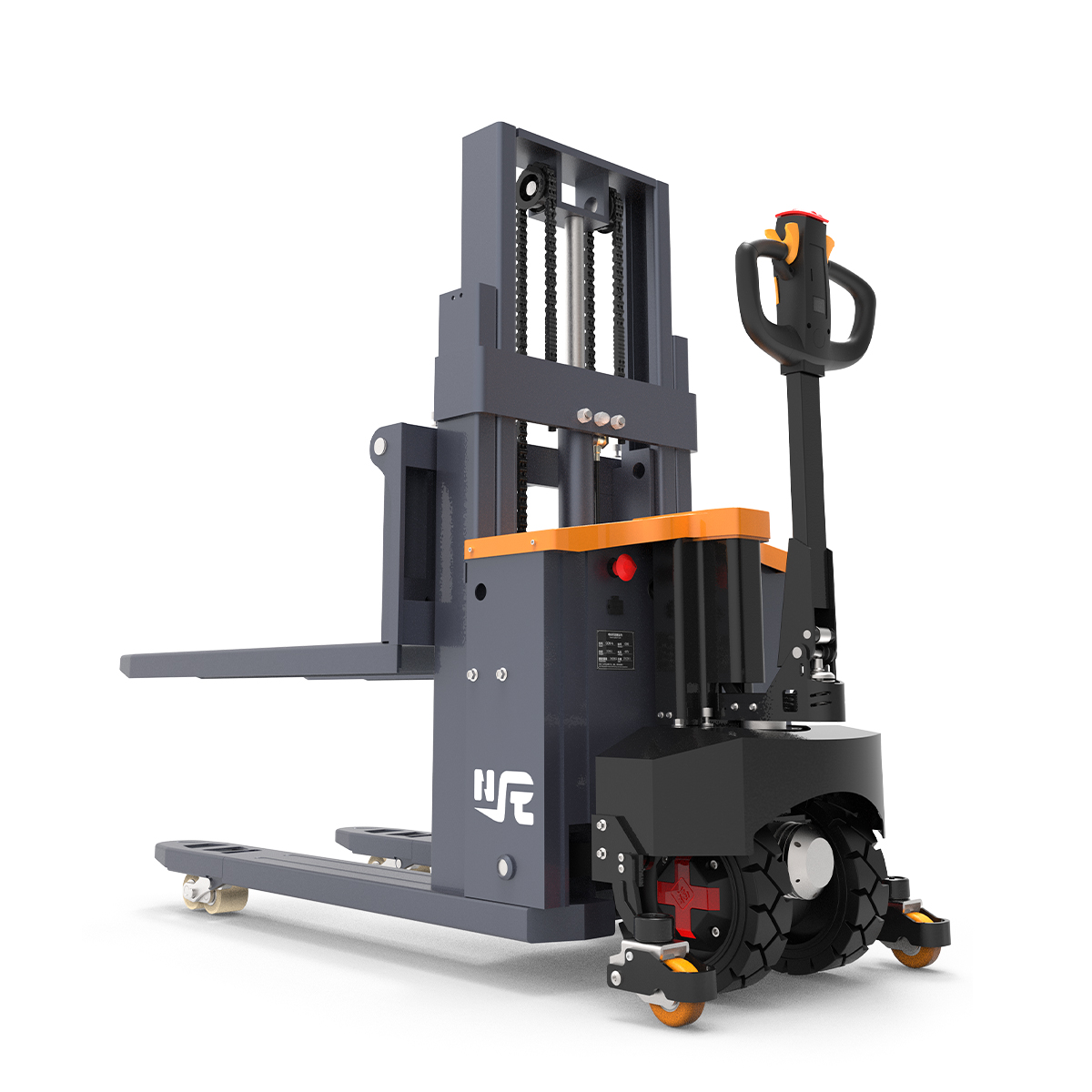
1500kg 2000kg Electric Stacker Pallet Stacker Truck 1.6m 3m Lift Height Warehouse Material Handling Equipment
A 1,500–2,000 kg electric stacker family with 1.6 m to 3 m lift-height options. This is a practical core SKU for distributors serving small and mid-size warehouses, retail storage areas and light manufacturing sites.
Stacker Forklift Electric 1500kg 2000kg for Retail Backroom Farm Feed Store Pallet Stacking Work
A 1,500–2,000 kg electric stacker for retail backrooms, farm supply and feed stores. It prioritizes simple controls, stable lifting and low maintenance for non-specialist operators who need dependable daily pallet stacking.
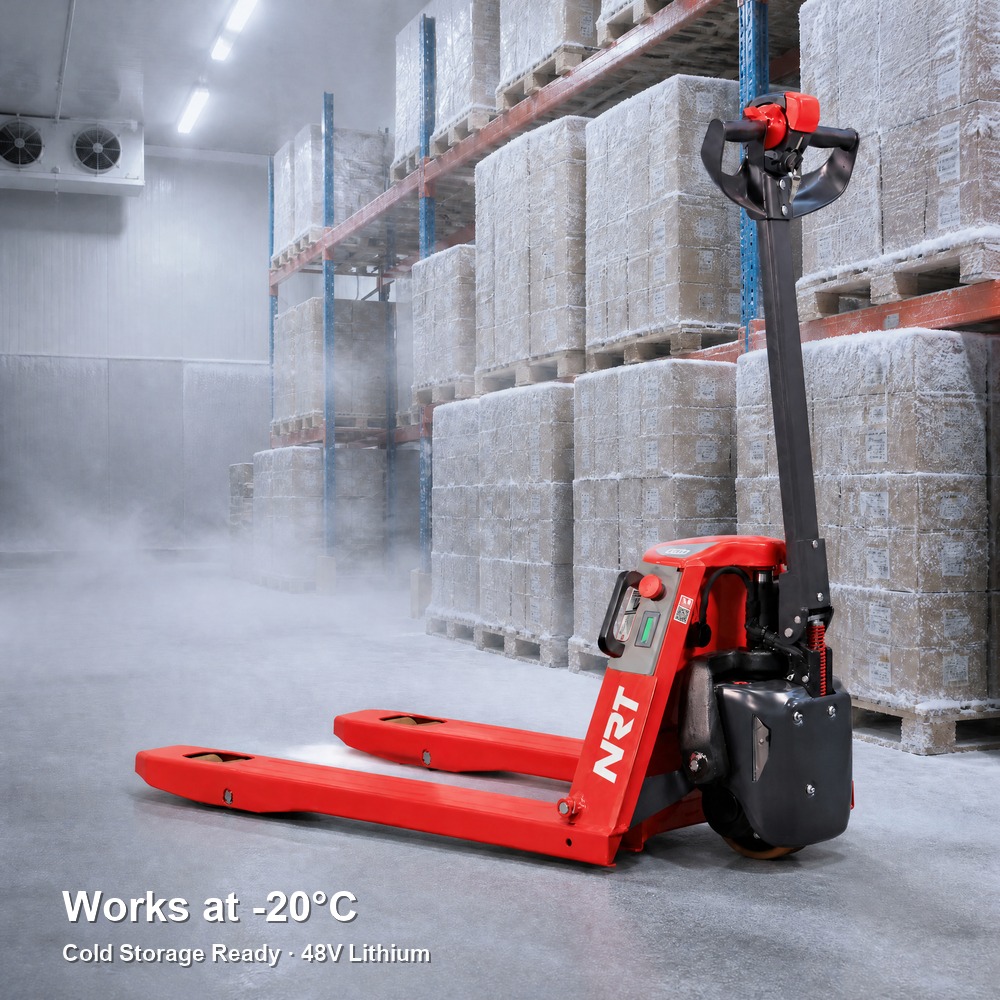
Electric Pallet Jack 2000kg with 48V Lithium Battery 6s Swap 300mm Slim Body Climbing 9% for Cold Storage -20C
A 2,000 kg, 48 V lithium pallet jack with a slim-body and cold-store listing. The 6-second battery-swap concept and climbing capability support temperature-controlled logistics where uptime, condensation control and reliable power matter.
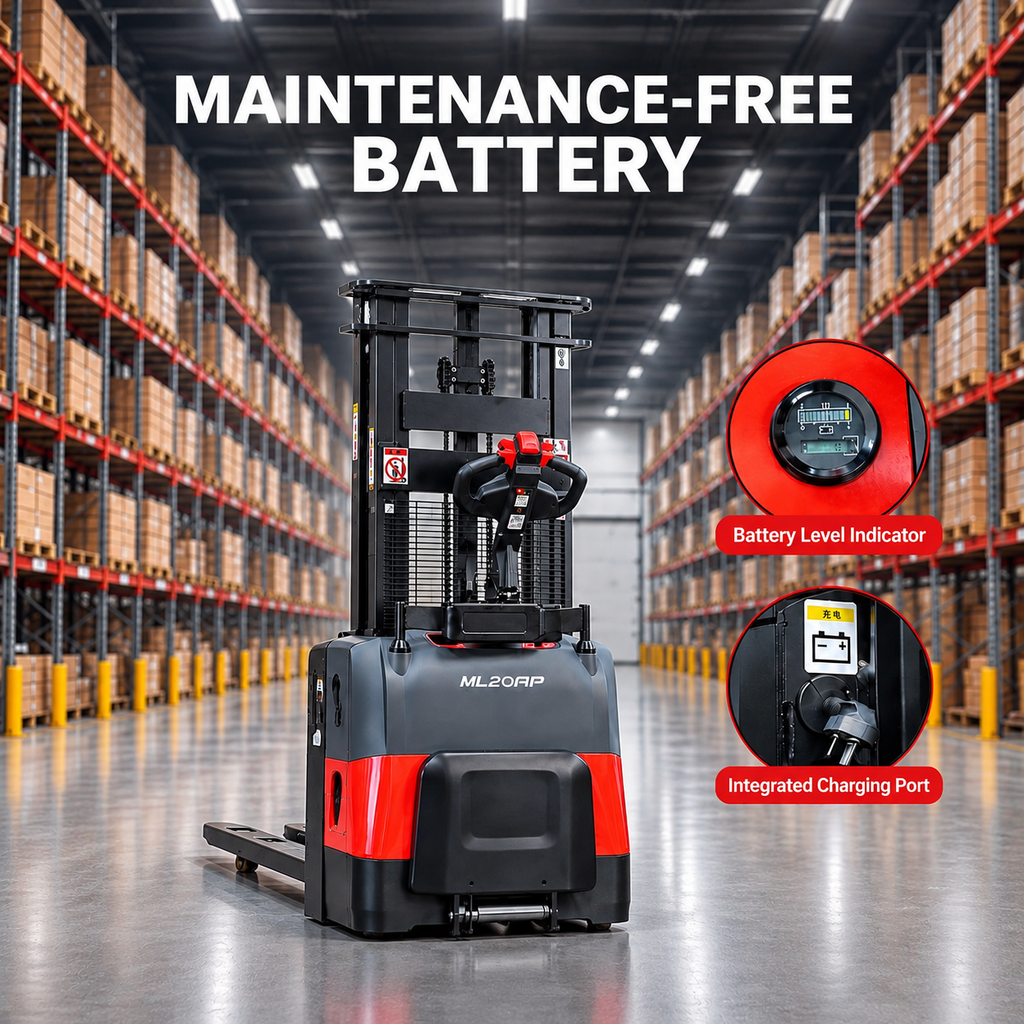
Warehouse Stacker Truck 1500kg 2000kg Electric Pallet Stacker 24V 105Ah Maintenance Free Battery
A 1,500–2,000 kg warehouse stacker with a 24 V 105 Ah maintenance-free battery. Suitable for buyers who want predictable daily duty without lead-acid watering routines, this model fits recurring pallet handling in organized warehouse environments.
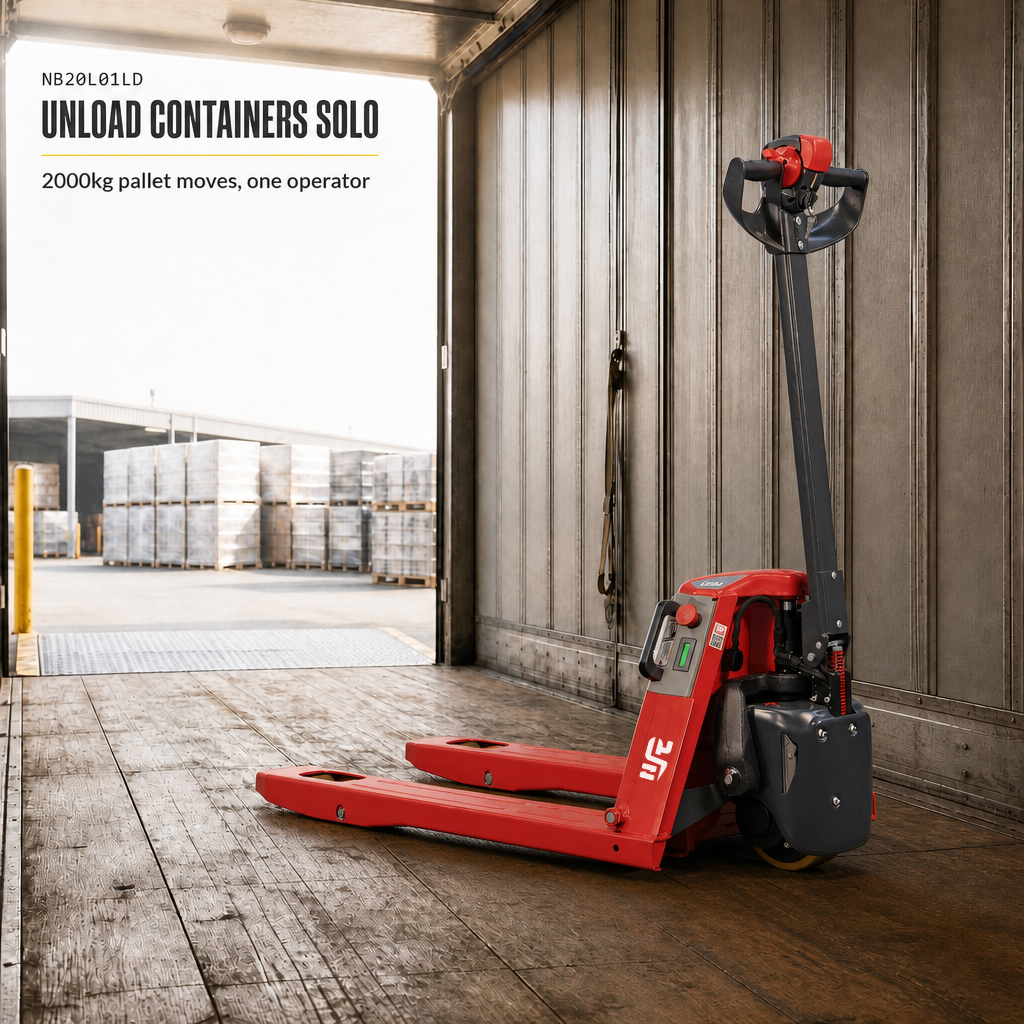
2000kg Electric Pallet Truck Lithium Ion 48V 10Ah Power Jack 1150mm Forks Polyurethane Wheels Container Loading
A 2,000 kg lithium-ion pallet truck with 1,150 mm forks, polyurethane wheels and a container-loading focus. A practical candidate for export packing, dock transfers and trailer unloading where compact turning and clean indoor operation are important.
What a Custom OEM Electric Stacking Truck Factory Should Deliver
Search demand for custom OEM electric stacking truck factories & exporter is rarely a simple price query. The buyer is usually trying to solve one of four procurement missions: verify whether the supplier is genuinely export-capable, compare load capacity and lift height against a specific aisle and racking layout, confirm whether customization is engineering-led or merely cosmetic, and reduce the commercial risk of an overseas order through documented inspection, trade terms and spare-parts planning.
Xiamen Pexal Technology Co., Ltd. was founded in Xiamen, Fujian in 2024 as the sales, service and technical support base for Pexal material handling equipment. We work with a 220,000 m² partner manufacturing campus employing more than 1,200 people, including a team of over 100 engineers focused on electric warehouse equipment. Our company has passed an onsite check and supplier assessment conducted by SGS Group, and a verified company video is available for buyers who cannot visit the production base in person.
A genuine OEM program is not only a logo on a standard chassis. It is a controlled change process covering mast height, fork length, battery type, charger configuration, wheel material, color, labels, packaging, documentation and after-sales parts identification. Buyers should ask which items are truly configurable, which are fixed by the platform, and which require a new engineering review. This page is written to make those distinctions visible before the first request for quotation.
Six Purchasing Trends Reshaping Electric Stacking Truck Programs
Electric stackers are moving from a simple warehouse accessory to a managed fleet asset. The strongest buyer programs now evaluate energy architecture, operator safety, uptime and documentation together.
Total Cost of Ownership Beats Sticker Price
Procurement teams increasingly compare acquisition cost against charging energy, maintenance, wear parts, battery replacement and downtime. A lower-priced manual alternative can become expensive when labor intensity, injury risk and slower pallet cycles are included in the business case.
Lithium-Ion Moves from Premium to Baseline
Lithium batteries are becoming a default specification for buyers who want opportunity charging, less maintenance and predictable fleet energy. Lead-acid remains relevant in some price-sensitive or high-ballast applications, but the purchasing conversation now starts with duty cycle and charging window.
Uptime Engineering and Battery Swap
Multi-shift warehouses cannot afford long charging gaps. Fast-swap battery concepts, spare battery kits and charger planning are moving into the initial RFQ rather than being treated as afterthoughts. Buyers want a truck that can keep working when one battery is recharging.
Safety Is Becoming a Visible RFQ Item
Pedestrian traffic, blind corners, loading docks and narrow aisles are forcing buyers to specify speed limiting, emergency reverse, braking performance, visibility and operator training. A stacker specification that ignores the traffic pattern is an incomplete specification.
Private-Label OEM Programs for Distributors
Dealers and rental fleets want stable model platforms with local branding, documentation and spare-parts packages. The most credible OEM partners provide a clear change-control process, not only color and decal changes, so distributors can build a repeatable product line.
After-Sales Readiness Decides Repeat Orders
Buyers now ask for wear-part lists, controller and motor identification, hydraulic component availability and training material before placing a container order. Fast quotation is useful; predictable after-sales support is what turns a first shipment into a twelve-month program.
What the Next Generation of Electric Stacking Trucks Will Include
Product development is converging around four pressures: tighter warehouse layouts, higher labor costs, stricter indoor-air expectations and the need for digital visibility into equipment utilization.
48 V and 24 V Architectures Tuned to Duty
Higher-voltage systems can support stronger travel and lift performance, while 24 V maintenance-free platforms remain efficient for moderate warehouse duty. The right choice depends on route length, lift frequency and charging opportunity, not on voltage alone.
Slim Bodies for Narrow Aisles and Containers
Slim chassis design, compact turning geometry and controlled travel speed help stackers work inside containers, retail backrooms and congested pick faces. Buyers should validate actual aisle clearance with the final fork length and battery compartment.
Cold-Store and Harsh-Environment Packages
Temperature-controlled logistics require attention to battery chemistry, seals, condensation, lubrication and operator visibility. Listings such as our 48 V cold-store pallet jack show how configuration evolves beyond the basic chassis when the application moves below freezing.
Telematics and Fleet Visibility
Controller-level data can reveal utilization, fault codes, impact events and charging behavior. For distributors, a simple telematics-ready interface can become a service differentiator; for fleet owners, it supports battery planning and operator coaching.
Modular Fork, Mast and Wheel Configurations
Fork length, lift height, wheel material and attachment points are becoming more modular. This allows an exporter or distributor to serve different industries from one product platform while keeping spare-part logic manageable.
Automation-Ready Interfaces
AGV and AMR adoption is creating demand for standard interfaces, safety signals and predictable vehicle behavior. Not every manual stacker needs automation, but selecting a platform with a clear electrical architecture makes future integration less expensive.
How to Select the Right Electric Stacking Truck
A stacker is only correctly specified when the load, lift height, aisle, floor, duty cycle and operator profile are considered together. The comparison below is a practical starting point for a technical RFQ.
| Configuration | Best-fit operation | Typical lift focus | Buying signal | Risk to control |
|---|---|---|---|---|
| Walkie pallet truck | Dock transfers, trailer unloading, horizontal pallet movement | Low-lift transport | High pallet volume but no racking lift required | Floor condition, wheel type and battery uptime |
| Stand-on electric stacker | Loading docks, building-material shops, medium-distance pallet transfer | Medium lift with travel efficiency | Operators need to cover longer routes and still stack | Aisle width, overhead obstructions and operator training |
| Walk-behind stacker | Retail backrooms, farm stores, small warehouse pallet stacking | 1.6 m to 3 m depending on model | Simple controls and moderate daily duty | Pallet quality, floor level and load-center distance |
| Cold-store pallet jack | Temperature-controlled storage and refrigerated transfer | Low-lift transport | Condensation, freezing conditions and battery reliability | Cold package specification, seals and charging location |
| OEM private-label stacker | Distributor catalog, rental fleet or regional brand program | Product-platform dependent | Need for local branding, documentation and repeatable spare parts | Change control, packaging, labels and after-sales data |
Final load capacity, lift height, battery, charger, wheel and safety configuration must be confirmed against the signed technical data sheet. Application conditions can change the correct model.
A Practical TCO and Risk Model for Electric Stacking Truck Procurement
Most product pages stop at capacity and lift height. A stronger buying decision uses an operating model: how many pallets per shift, how many meters per trip, how many charging opportunities, how much downtime would cost, and how easily a wear part can be replaced.
A useful working formula is: TCO = acquisition cost + charging energy + scheduled maintenance + wear parts + battery replacement + downtime risk + operator training + compliance documentation + end-of-life disposal or resale. For a distributor, add inventory carrying cost and spare-parts coverage. For an end user, add labor productivity and safety exposure. The lowest purchase price is only the best choice when the duty cycle is light, the route is short and the after-sales risk is low.
Our application engineers recommend a 12-point RFQ checklist before comparing quotations. The objective is to make every supplier answer the same technical questions, so price differences can be interpreted correctly rather than compared as isolated numbers.
Acquisition Is Not the Whole Cost
For many warehouse operations, acquisition may represent only part of the lifetime cost. Energy, operator time, maintenance and downtime often dominate once the truck enters daily service. Demand a three-year and five-year operating view.
Battery Strategy Is a Fleet Decision
Opportunity charging, fast battery swap and spare battery planning should be matched to shift patterns. Buying the lowest-capacity battery without understanding the charging window can create hidden productivity loss.
Downtime Risk Often Outweighs Unit Price
A failed controller or unavailable wheel assembly can stop a loading bay. Ask for wear-part identification, recommended spares and controller/motor details before the container is shipped, especially for dealer and rental programs.
12-Point RFQ Checklist for Electric Stacking Trucks
- Maximum pallet weight and load center
- Required lift height and lowered fork height
- Aisle width, turning clearance and door height
- Floor surface, slope and dock condition
- Pallets moved per shift and hours per day
- Battery voltage, capacity and charging window
- Cold, wash-down, dust or outdoor environment
- Fork length, wheel type and attachment needs
- Speed limiting, braking and pedestrian safety
- Logo, color, label and packaging customization
- Spare-parts list and wear-part identification
- Market documentation and Incoterm requirements
Why Global Buyers Shortlist Xiamen Pexal Technology
Xiamen Pexal Technology Co., Ltd. combines export sales, technical support and supplier verification with access to a large partner manufacturing campus. This structure helps distributors and fleet buyers move from a one-off quotation to a repeatable product program.
SGS-Assessed Supplier Records
Our company has passed an onsite check and supplier assessment conducted by SGS Group. Business type, main products, main markets and capabilities have been reviewed, and a verified company video is available for buyers to review before the first order.
OEM, ODM and Custom Build Support
We support sample-based customization, full customization and ODM services, including mast height, fork length, battery type, color, logo and attachment configuration. Customization is handled through a practical technical discussion so the final truck remains serviceable and export-ready.
Export Terms and Payment Flexibility
We accept common delivery terms including FOB, CFR, CIF, EXW, FCA, CPT, CIP and DDP, and support T/T, L/C, D/P, D/A, Western Union, PayPal, credit card and escrow. Accepted currencies include USD, EUR, GBP, JPY, CAD, AUD, HKD, CHF and CNY, subject to order confirmation.
Application Support for Five Export Regions
Our main export markets are Western Europe, North America, South America, Eastern Europe and Oceania. We serve dealers, rental companies and end users, and can discuss voltage, documentation, packaging, spare-parts kits and market-specific configuration requirements.
Prepared for B2B buyers by the Pexal application engineering and export documentation team. Last reviewed: May 2026.
From RFQ to Container: A Four-Step Buyer Journey
A structured process reduces rework, protects delivery schedules and gives both sides a clear technical baseline before production begins.
Share the Application Data
Tell us the load, pallet size, lift height, aisle, floor, duty cycle, charging window, climate and branding needs. Photos of the site are useful.
Configure and Validate
Our team matches the application to a stacker or pallet truck platform and confirms battery, charger, fork, wheel and safety options.
Approve Documentation
Review the quotation, technical data sheet, branding artwork, packaging requirements and Incoterms before confirming the order.
Produce, Inspect and Export
Pre-shipment functional checks cover lifting, travel, braking and electrical systems. Export packaging and logistics are coordinated from Xiamen.
Common Questions About Custom OEM Electric Stacking Trucks
These answers reflect the questions most often raised by importers, dealers and fleet managers during supplier qualification.
Are you a factory or a trading company?
Can you customize mast height, forks, battery, color and logo?
What is the minimum order quantity and lead time?
Which Incoterms, payment methods and currencies do you accept?
How do I choose between lead-acid and lithium battery options?
How is quality controlled before shipment?
Do you provide spare parts, manuals and operator training material?
Which markets do you export to, and can you support private-label programs?
Build a Repeatable Electric Stacking Truck Program
Send your load, aisle, lift height, duty cycle, voltage, branding and destination-market requirements. Our application team will return a configuration matrix, recommended models and an export documentation checklist.