Custom OEM Counterbalance Forklift Manufacturer & Factory
Factory-backed counterbalance forklift customization for distributors, rental fleets and warehouse operators — engineered around load, aisle, battery, safety and branding requirements, with a complete range of electric warehouse equipment for mixed-fleet projects.
OEM-Ready Counterbalance Forklift Programs and Electric Warehouse Equipment
Eight proven models below support mixed-fleet projects around custom OEM counterbalance forklifts. Use them as standalone electric handling equipment or as support units for warehouse, loading-dock, cold-storage and narrow-aisle applications. Each product link is preserved so your procurement team can shortlist models and then request a customized configuration.
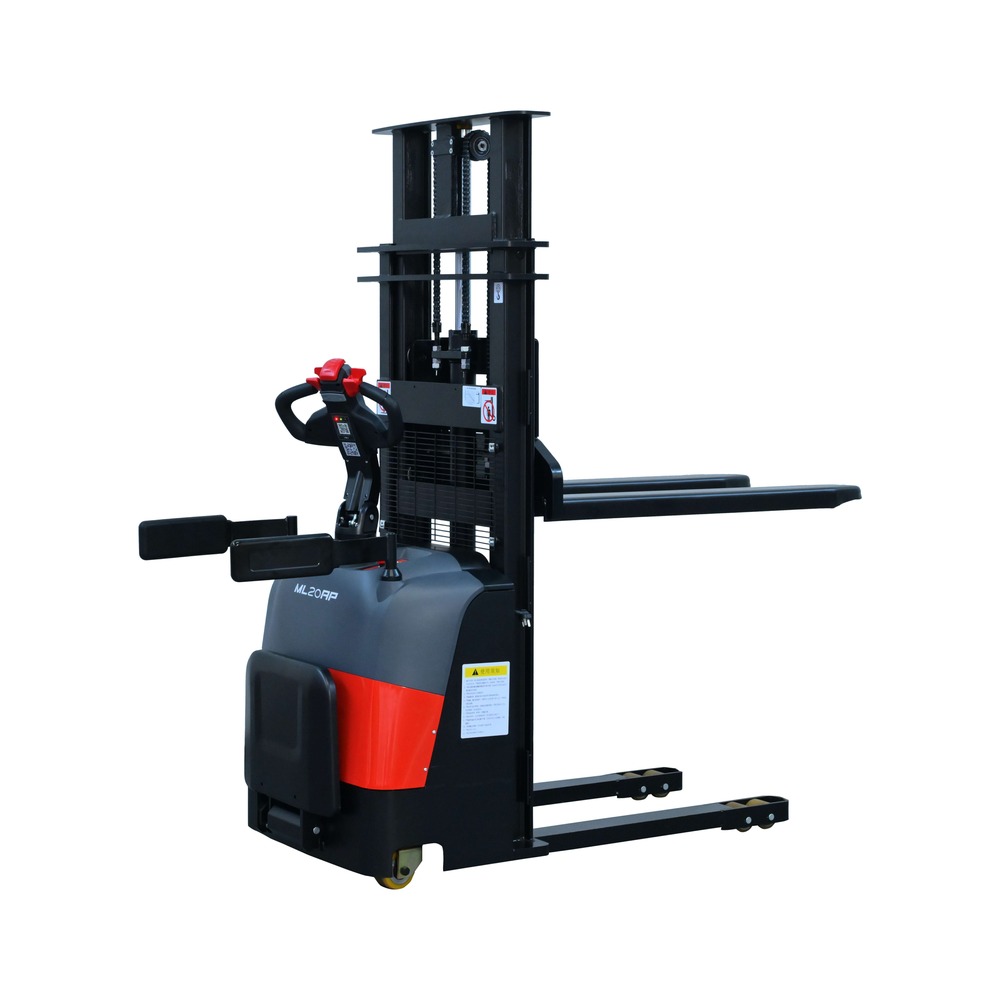
2000kg Stand on Electric Pallet Stacker 3.41m Lift Height Pallet Stacker Truck Channel Steel Mast 1480mm Turning Radius
High-lift stand-on stacker for racking, loading docks and building-material handling where stability and tight turning are essential.
View product
Stand on Electric Stacker 2000kg for Narrow Aisle Warehouse Loading Dock Building Material Shop Pallet Handling
Narrow-aisle electric stacker for warehouse loading, building material shops and repeated pallet handling with limited room.
View product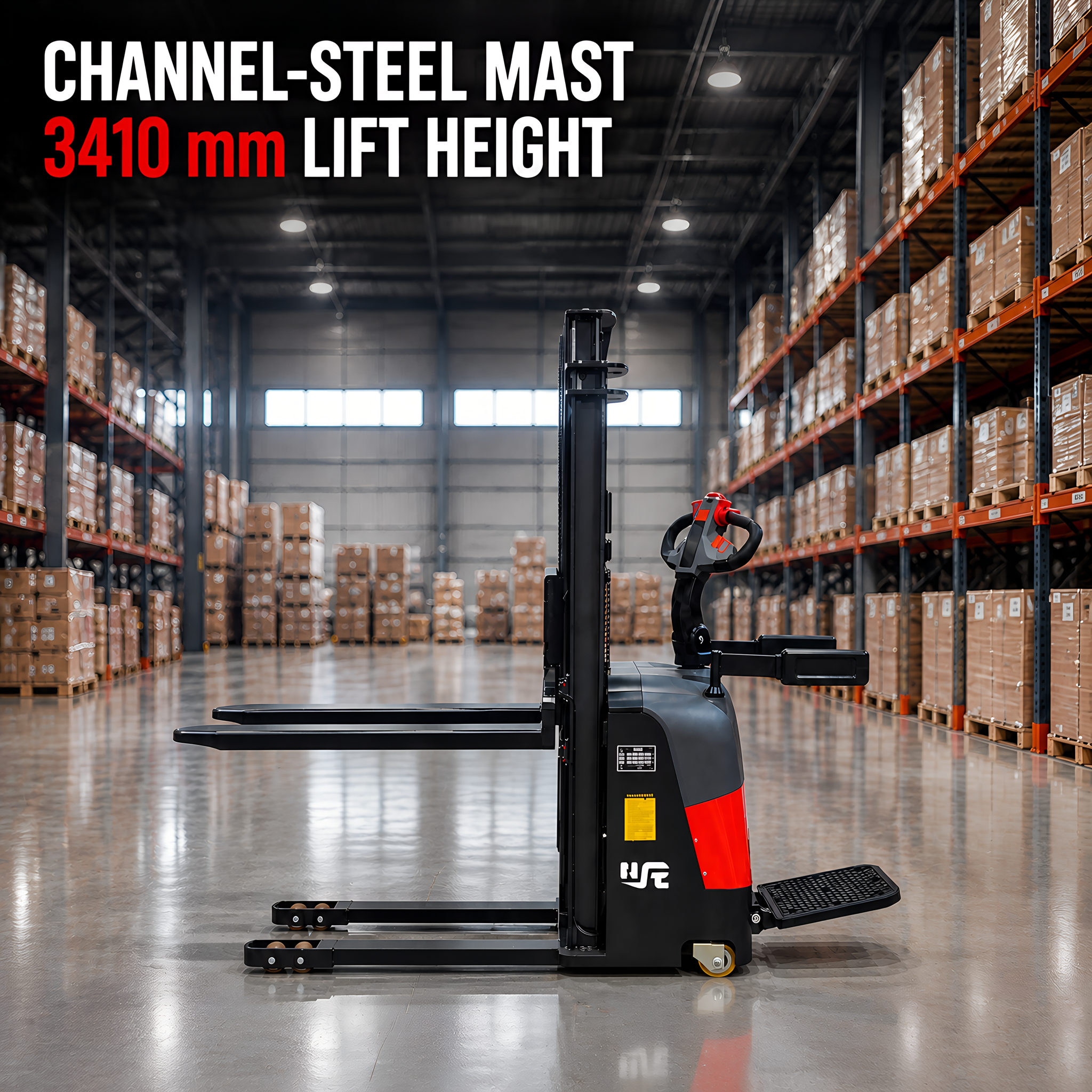
ML20AP Stand on Electric Stacker 2000kg 3410mm Max Lift 1478mm Turning Radius 820mm Body Width
Compact ML20AP model with 2000kg capacity, 3410mm maximum lift, 1478mm turning radius and 820mm body width.
View product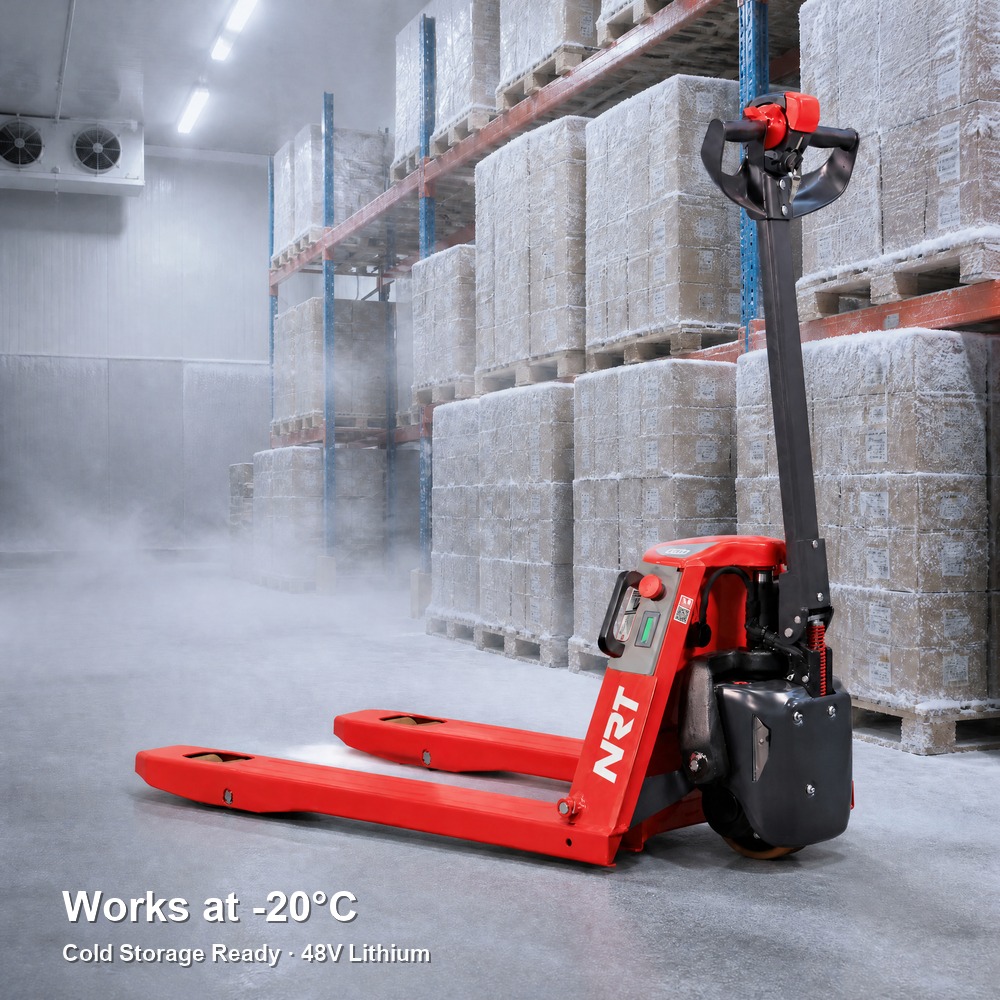
Electric Pallet Jack 2000kg with 48V Lithium Battery 6s Swap 300mm Slim Body Climbing 9% for Cold Storage -20C
48V lithium pallet jack with 6-second swap, 300mm slim body, 9% climbing ability and cold-storage suitability to -20°C.
View product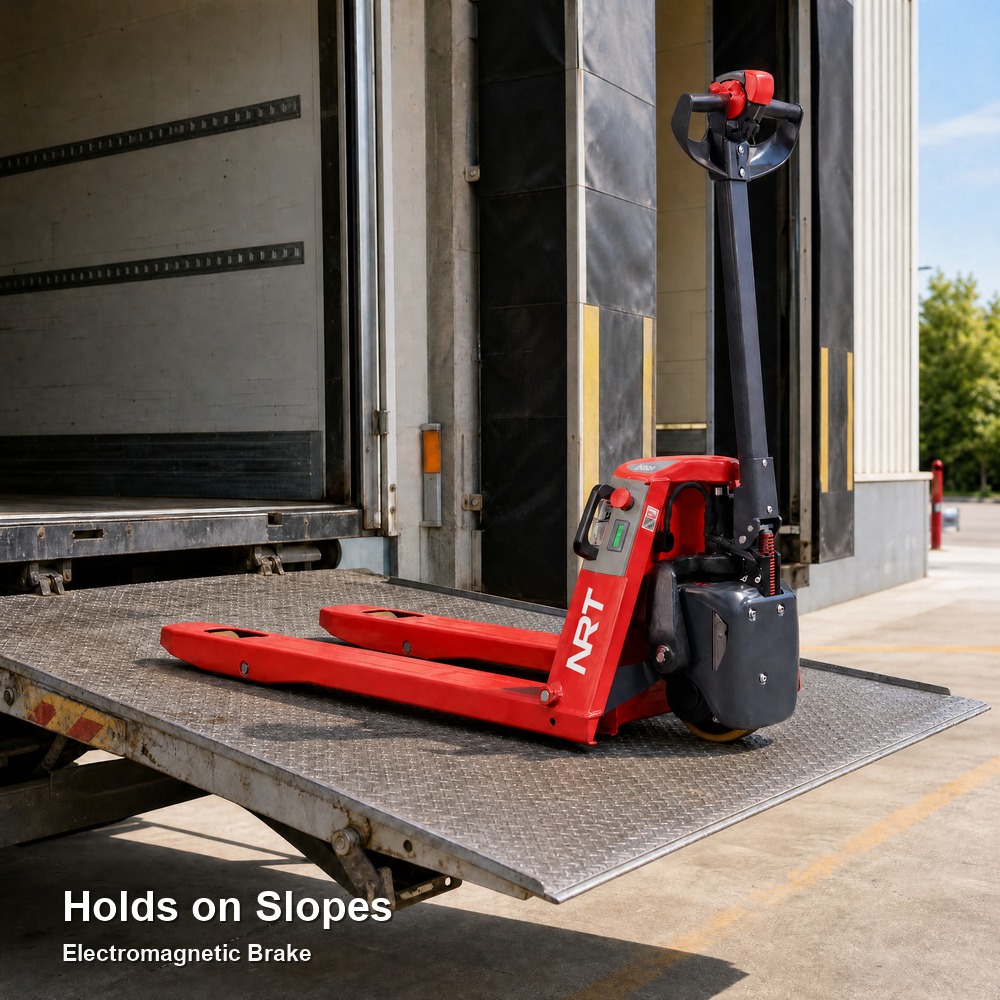
Electric Pallet Jack 1500kg 300mm Slim Body Walkie Pallet Truck for Elevator Freight Box Narrow Aisle Handling
1500kg slim-body walkie pallet truck for elevators, freight boxes, retail backrooms and narrow-aisle pallet movement.
View product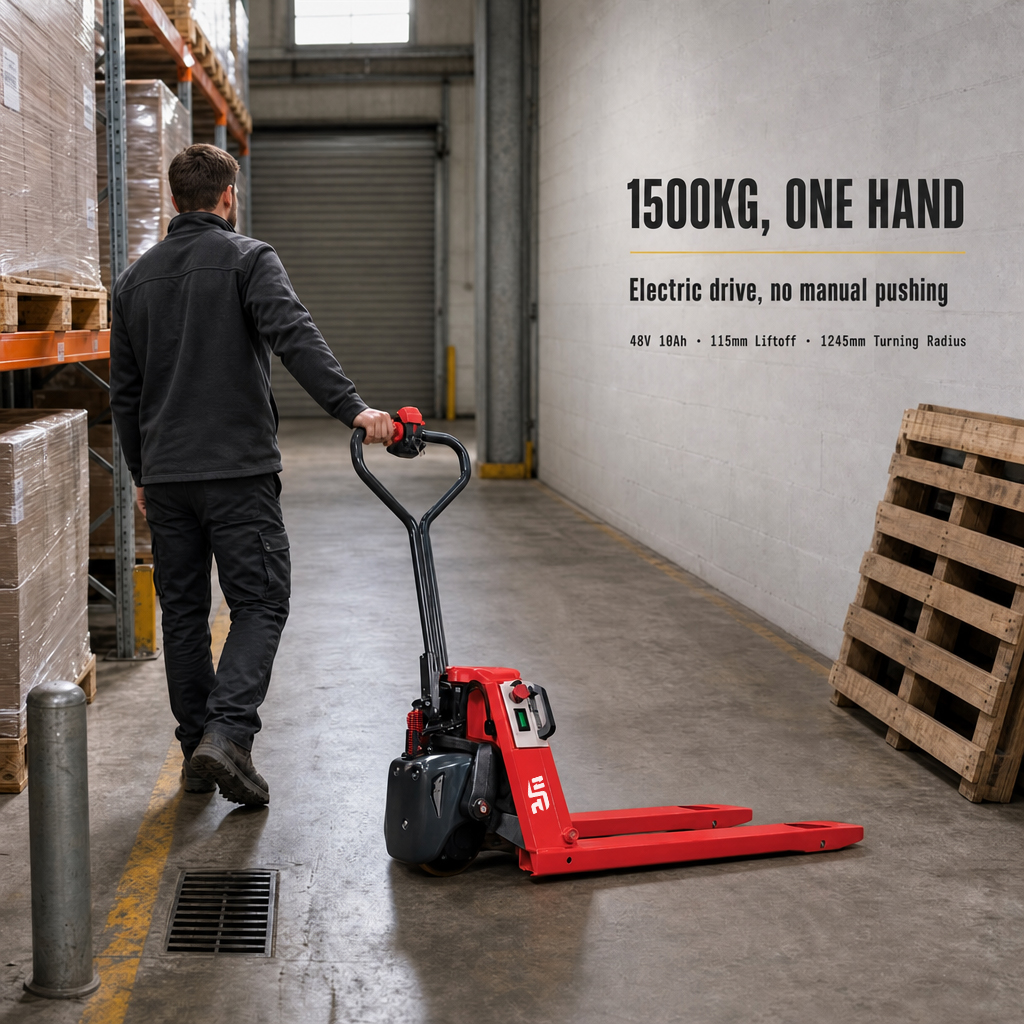
Electric Pallet Truck for Distribution Center Workshop Supermarket Pallet Handling 1500kg Lithium Battery Walkie Jack
Lithium-battery electric pallet truck for distribution centers, workshops and supermarkets needing simple, repeatable pallet transport.
View product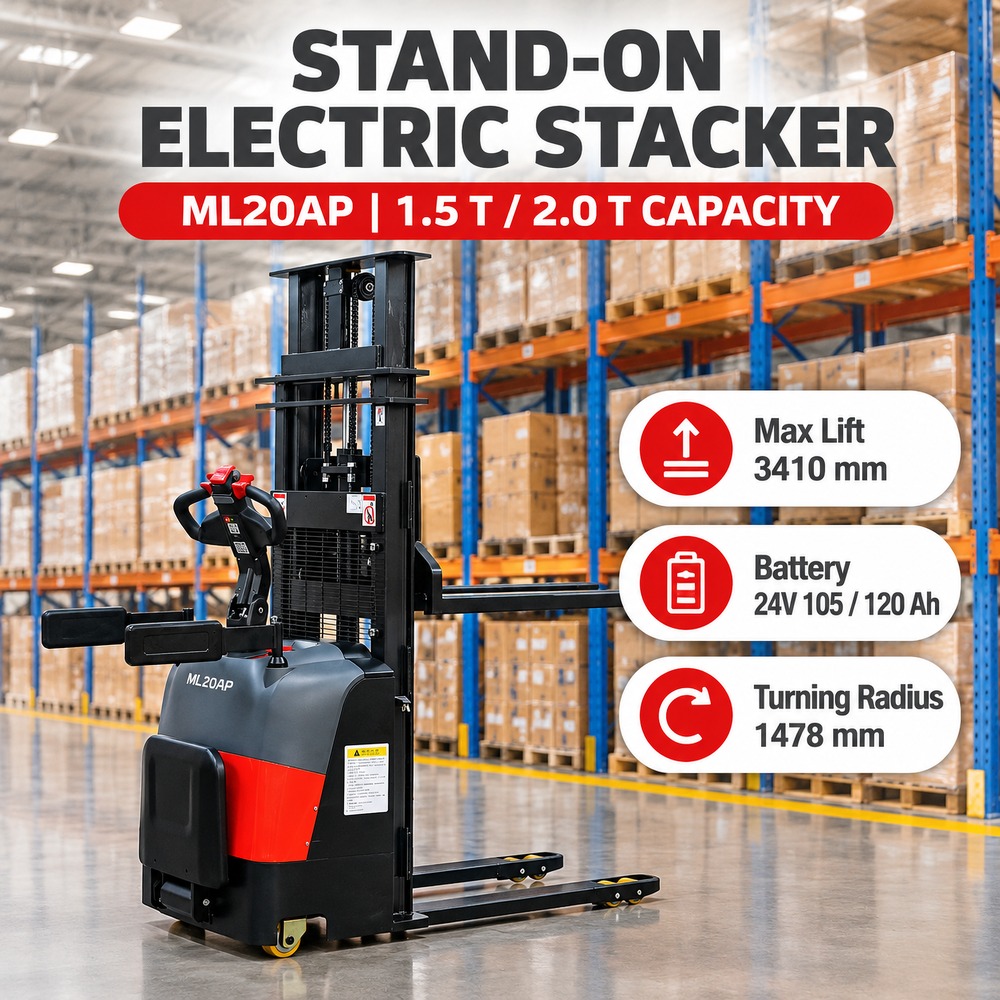
Warehouse Stacker Truck 1500kg 2000kg Electric Pallet Stacker 24V 105Ah Maintenance Free Battery
1500kg–2000kg warehouse stacker with 24V 105Ah maintenance-free battery for frequent pallet lifting and storage work.
View product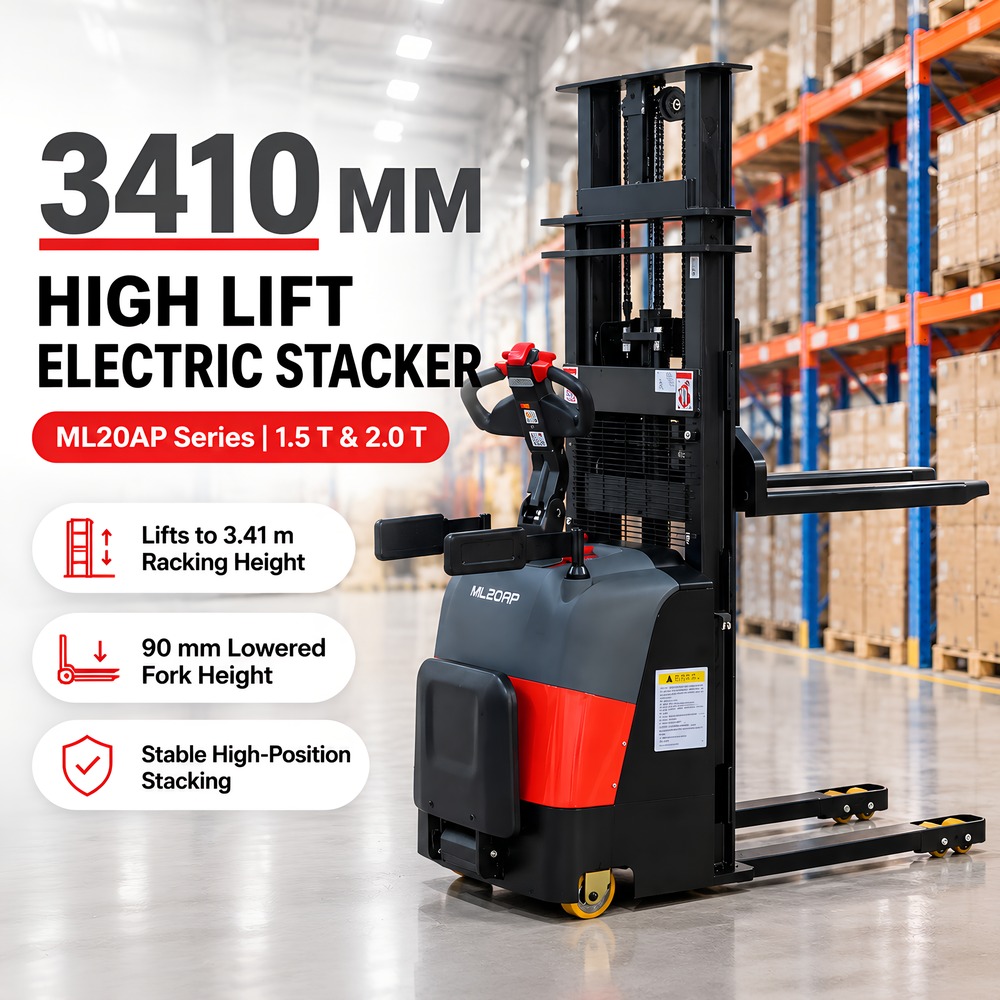
ML20AP Stand on Electric Stacker Truck 2000kg Warehouse Stacker for Narrow Aisle Loading Dock Building Material Shops
ML20AP stand-on electric stacker truck for narrow-aisle warehouses, loading docks and building-material shop operations.
View productWhat Does a Custom OEM Counterbalance Forklift Project Actually Involve?
Counterbalance forklift buyers usually search for a manufacturer, factory or supplier when a standard catalog unit no longer fits the application. The real decision is not only capacity or price; it is how precisely the truck matches load geometry, aisle design, battery strategy, safety rules, documentation and dealer branding.
In practical procurement, a custom OEM counterbalance forklift is not simply a forklift painted in your color. It is a production specification agreed before the first steel is cut: rated capacity at a defined load center, mast type and lift height, free lift, fork dimensions, attachment interface, battery voltage and charging strategy, tire type, safety devices, operator ergonomics, market documentation and dealer branding. The goal is to move customization upstream — where it controls cost and compliance — instead of solving mismatches after delivery.
The most expensive mistakes are rarely visible on a quotation. A buyer may specify a three-stage mast but overlook the collapsed height and overhead guard clearance. A dealer may add a side-shifter or clamp without checking residual capacity at the actual load center. A warehouse team may compare aisle width but not the right-angle stacking aisle required by the truck and racking geometry. For electric models, charging behavior can affect fleet size more than nominal battery capacity: opportunity charging, battery swapping, shift patterns, charger placement and cold-storage conditions must be planned together.
Pexal’s role is factory-backed but application-led. Xiamen Pexal Technology Co., Ltd. works with a 220,000 m² partner manufacturing campus and more than 1,200 production and QC staff, including over 100 engineers focused on electric warehouse equipment. This lets us discuss both commercial customization — branding, packaging, documentation and spare-parts kits — and technical customization — mast height, fork length, battery type, attachments and controls — without separating the factory from the buyer’s operating conditions.
For distributors and rental fleets, customization also has a service dimension. Standardizing battery voltage, charger interfaces, integrated control systems, wear parts and manuals across a product family can reduce training time, spare-parts inventory and after-sales friction. That is why a serious OEM counterbalance forklift program starts with a specification review, not an immediate price request.
RFQ inputs that change the quotation
- Maximum load, load center and attachment weight
- Pallet size, fork length and fork spacing
- Lift height, free lift, collapsed height and door clearance
- Aisle width and right-angle stacking dimensions
- Indoor or outdoor use, floor condition and tire preference
- Shifts per day, annual hours and charging windows
- Battery type, voltage, charger plan and swap strategy
- Safety devices, lights, alarms and operator visibility needs
- Destination market documentation and compliance expectations
- Dealer branding, nameplate, manual language and packaging
Factory-Backed Capability Verified for International B2B Procurement
These figures are more than marketing counters. They indicate whether a custom forklift program can handle repeated container orders, engineering changes, QC routines, spare-parts planning and export logistics.
Production footprint supporting scaled OEM builds.
Production and QC staff across the manufacturing base.
Electric warehouse equipment and application specialists.
Western Europe, North America, South America, Eastern Europe and Oceania.
Pexal has passed an onsite check and supplier assessment conducted by SGS Group, and a verified company video is available for buyers to review. Trade capacity, credit records, transaction history and assessment reports are presented for independent supply-chain review — a practical advantage when your team must compare a China-based custom forklift factory against local dealers or trading companies.
Why Pexal Fits a Custom OEM Counterbalance Forklift Supply Chain
A counterbalance forklift OEM program needs more than assembly capacity. It needs customization discipline, export documentation, responsive technical communication and a spare-parts mindset that supports dealers after the truck leaves the factory.
OEM / ODM Customization
Sample-based customization, full customization and ODM services are available, including mast height, fork length, battery type, color, logo and attachment configuration. This is suitable for distributors that need differentiated models without building a separate factory program.
SGS-Assessed Trust
Onsite check and supplier assessment by SGS Group provide third-party verification. Buyers can review company assessment records, credit index, trade capacity, transaction history and a verified factory video before committing to an OEM project.
Engineering & Production Depth
A 220,000 m² partner campus, 1,200+ workforce and 100+ engineers support production, customization and QC. Pre-shipment checks cover lifting, travel, braking and electrical systems before dispatch.
Global Trade Support
Main export markets include Western Europe, North America, South America, Eastern Europe and Oceania. Delivery terms from EXW to DDP, multiple payment methods and accepted currencies help dealers structure repeat orders.
Product Recommendations by Application, Not Just by Capacity
A counterbalance forklift should be selected from the work backward: floor surface, aisle geometry, load center, shift pattern and charging conditions. The right custom configuration often combines a counterbalance truck with electric warehouse support equipment.
Electric Counterbalance for Indoor Work
For warehouses, food logistics, cold chain and manufacturing cells, an electric counterbalance forklift supports zero local emissions, lower noise and easier indoor operation. Use this as the core OEM platform, then add battery, charger and safety options based on shift length.
- Plan opportunity charging or battery swapping before fixing fleet size
- Confirm door height, overhead guard clearance and racking height
- Review attachment derating when adding clamps or positioners
Diesel Counterbalance for Outdoor Yards
For ports, lumber yards, construction sites and heavy outdoor loading where charging infrastructure is limited, a diesel counterbalance platform can provide continuous work power. Customization can focus on tire type, lighting, filtration, attachment interface and heavy-duty protection.
- Specify ground condition, dust, slope and outdoor exposure
- Match attachment hydraulics and cooling to duty cycle
- Document local emissions and site-entry requirements early
Narrow-Aisle Stackers for Racking
When racking height is moderate but aisle space is tight, stand-on electric stackers can be more productive than a full counterbalance truck. Models such as the 2000kg stand-on stacker with 3.41m lift, channel steel mast and 1480mm turning radius, or the ML20AP 2000kg with 3410mm lift, support loading docks and building-material shops.
- Check turning radius against actual aisle and pallet overhang
- Match lift height to beam level, not just building height
- Confirm floor condition and operator platform requirements
Slim Electric Pallet Trucks for Docks
For horizontal moves inside freight boxes, elevators, supermarkets and distribution centers, slim electric pallet trucks reduce manual strain and improve throughput. The 1500kg 300mm slim-body model and the 2000kg 48V lithium model with 6-second swap and -20°C cold-storage capability address different operating constraints.
- Choose battery and charger strategy around route length
- Confirm entry width, ramp grade and floor transition plates
- Use cold-storage rating where temperature is a real constraint
Future Procurement Trends Counterbalance Forklift Buyers Should Plan For
Counterbalance forklift procurement is shifting from one-time equipment purchase to a lifecycle decision. The following trends are practical planning inputs, not abstract industry language — each one changes the specification, supplier evaluation and total cost of ownership.
Total Cost of Ownership Becomes the Tender Language
Buyers increasingly compare energy cost, battery life, charger efficiency, tire wear, service intervals, spare-parts availability and downtime risk — not only the unit price. A lower-priced forklift can be more expensive over five years if the battery, charger or parts strategy is mismatched.
Lithium and Opportunity Charging Shape Fleet Size
Procurement teams are moving from “one battery per truck” to charging-window planning. Opportunity charging, fast charging, battery swapping and multi-shift scheduling can reduce fleet size or avoid peak charging disruption. Requirements should be written into the OEM specification from the start.
Safety and Compliance Documentation Moves Earlier
Lighting, alarms, operator visibility, restraint systems, attachment compatibility and destination-market documentation are now reviewed before order confirmation. Buyers should confirm voltage, manual language, nameplate details and site-entry requirements with the factory to avoid rework.
Dealer Branding and Localized Support
Distributors want differentiated color, logo, nameplate, manual language, packaging and spare-parts kits. As rental fleets become more competitive, localized branding and consistent service documentation become part of the product, not an afterthought.
Mixed-Fleet Integration and Telematics Readiness
Warehouses rarely run one brand or one power type. Buyers now ask whether chargers, battery data, hour meters, access control and service records can fit a broader fleet process. OEM suppliers that can discuss interfaces and documentation add value beyond the machine itself.
Automation-Ready Layouts
Before adding AGVs or automated guided forklifts, buyers need stable pallet flow, predictable routes, clear traffic rules and reliable equipment interfaces. A custom counterbalance forklift program can prepare for this transition by standardizing loads, battery procedures and safety zones.
Product Development Trends Shaping the Next Generation of Counterbalance Forklifts
Counterbalance forklift design is moving toward modularity, connected service and safer operation. For buyers, these trends matter because they affect lead time, spare-parts planning, operator training and resale value.
Modular Platforms and Battery Architecture
Modular chassis, mast and battery interfaces allow factories to offer more customization without redesigning every model. This supports different battery capacities, charger types, attachments and market-specific safety packages while keeping spare parts more manageable.
Smart Safety Systems
Speed control, proximity awareness, pedestrian warning, blue lights, rear cameras and operator access control are increasingly specified in warehouse environments. These systems should be selected with the site’s traffic flow and operator training program, not added as isolated accessories.
Connected Diagnostics and Fleet Data
Hour meters, fault codes, battery state and service reminders can improve maintenance planning. For export dealers, remote diagnostics and clear documentation can reduce the time spent diagnosing issues by phone and improve first-time repair rates.
Ergonomics and Operator Retention
Control layout, visibility, floor vibration, seat comfort, step height and noise all affect operator fatigue. In rental and multi-shift operations, a more ergonomic truck can improve safety and reduce turnover-related training cost.
Energy Efficiency and Serviceability
Regenerative braking, efficient hydraulic systems, LED lighting and optimized drive control contribute to longer runtime. Serviceability matters just as much: accessible filters, clear fuses, diagnostic ports and available spare-parts kits reduce lifecycle cost.
Integration With AGV and Warehouse Automation
Counterbalance forklifts still handle flexible, high-variability work, while AGVs and automated guided forklifts handle repetitive fixed routes. Future-ready procurement considers how both will coexist safely — especially at transfer points, charging areas and blind corners.
OEM Configuration and Project Planning Matrix
Use this matrix to structure an RFQ for a custom counterbalance forklift. Each decision should be connected to the application, not treated as an isolated option.
| Decision Area | What to Specify | Procurement Impact | How Pexal Supports |
|---|---|---|---|
| Load & Attachment | Capacity, load center, attachment weight, fork length | Prevents unexpected derating and unsafe operation | Residual capacity review and attachment configuration |
| Lift & Mast | Lift height, free lift, collapsed height, overhead clearance | Determines rack compatibility and door clearance | Mast and model configuration by application |
| Power Strategy | Battery type, voltage, charger, swap plan, shifts per day | Drives uptime, energy cost and fleet size | Lithium or lead-acid configuration by model |
| Safety & Compliance | Lights, alarms, guards, cameras, destination requirements | Reduces rework and site-entry delays | Documentation discussed before order confirmation |
| Branding & Packaging | Color, logo, nameplate, manual language, spare-parts kit | Supports dealer differentiation and resale | OEM / ODM and sample-based customization |
| Trade & Logistics | Incoterms, port, packaging, payment method, currency | Affects landed cost and cash-flow planning | Export support from Xiamen with flexible trade terms |
Illustrative OEM Forklift Tender Weighting
This chart is an illustrative evaluation model, not a market statistic. It helps procurement teams compare offers with a transparent scorecard instead of lowest price alone.
Frequently Asked Questions About Custom OEM Counterbalance Forklifts
These are the questions distributors, rental fleets and end users most often ask before starting a custom counterbalance forklift project.
What is a custom OEM counterbalance forklift?
A custom OEM counterbalance forklift is a counterbalance truck built to an agreed specification rather than a fixed catalog configuration. For a distributor, it may include brand color, logo, manuals, voltage, battery strategy, mast height, forks and packaging. For an end user, it may focus on load center, attachment compatibility, aisle geometry, safety devices and duty cycle. The point is to align these decisions before production.
Should I choose an electric or diesel counterbalance forklift?
Electric counterbalance forklifts suit indoor warehouses, food and cold-chain logistics and sites that need zero local emissions and low noise. Diesel forklifts suit outdoor yards, heavy continuous loads and sites without charging infrastructure. All-terrain off-road forklifts are designed for unpaved ground such as construction sites, farms and timber yards. The final choice should match the floor, duty cycle, charging or refueling plan and local site rules.
Which specifications can be customized?
Customization can include mast height, fork length, battery type, color, logo and attachment configuration, subject to model and project requirements. Pexal offers sample-based customization, full customization and ODM services. For a precise quotation, share load, lift height, aisle dimensions, battery strategy, destination market and branding requirements.
Can you build dealer-branded counterbalance forklifts?
Yes. Dealer branding can be discussed as part of an OEM or ODM project, including color, logo, nameplate, manual language and packaging requirements. Branding should be planned together with spare-parts kits and technical documentation so the local service team can support the truck after delivery.
What RFQ details speed up a custom forklift quotation?
Provide maximum load, load center, pallet size, lift height, collapsed height, aisle width, indoor or outdoor use, floor condition, shifts per day, annual hours, battery or fuel preference, voltage, safety devices, destination market, preferred Incoterm and any branding request. Photos or drawings of the racking, loading area and attachments are also useful.
How do attachments affect counterbalance forklift capacity?
Attachments add weight and can move the load center forward, so they may reduce the truck’s residual capacity. A clamp, side-shifter, positioner or special fork frame should always be reviewed with the attachment interface and load geometry. Ask for a residual capacity review instead of assuming the nominal capacity remains available.
Which Incoterms and payment methods do you accept?
Typical delivery terms include FOB, CFR, CIF, EXW, FCA, CPT, CIP and DDP. Payment can be discussed through methods such as T/T, L/C, D/P, D/A, Western Union, PayPal, credit card and escrow. Accepted currencies include USD, EUR, GBP, JPY, CAD, AUD, HKD, CHF and CNY, subject to order structure and destination.
How is quality controlled before shipment?
Pre-shipment QC covers functional checks of lifting, travel, braking and electrical systems before dispatch. Customized components, attachments, battery configuration and branding details are also checked against the order specification. Pexal’s supplier assessment and onsite check were conducted by SGS Group, and a verified company video is available for buyers to review.
Which markets do you export to?
The main export markets are Western Europe, North America, South America, Eastern Europe and Oceania. Pexal supplies dealers, rental companies and end users. Export packaging and trade documentation can be discussed around the destination port, delivery term and local after-sales plan.
Has the company been verified by a third party?
Yes. Xiamen Pexal Technology Co., Ltd. has passed an onsite check and a supplier assessment conducted by SGS Group. Buyers can review company assessment records, credit index, trade capacity, transaction history and a verified company video as part of supplier due diligence.
Plan a Custom OEM Counterbalance Forklift Program With Our Engineers
Send your maximum load, load center, lift height, aisle width, indoor or outdoor condition, shifts per day, battery or fuel strategy, destination market and branding requirement. Our team will help translate the application into a practical counterbalance forklift configuration and export plan. Email: info@pexalbot.com