China Wholesale Pallet Stacker Truck Manufacturer & Supplier
Lithium pallet jacks, walkie pallet trucks and stacker-class warehouse equipment for distributors, rental fleets, 3PL operators and ODM programs — supported by a 220,000 m² partner manufacturing campus, SGS-assessed supplier verification and export-ready customization.
8 Pallet Trucks and Stacker-Class Models for Distributors
These are not random catalog picks. They represent the configurations most often requested by dealers, rental fleets and warehouse buyers who need a practical balance of capacity, lithium power, serviceability and container-loading efficiency. Every product URL below is preserved for direct model review.
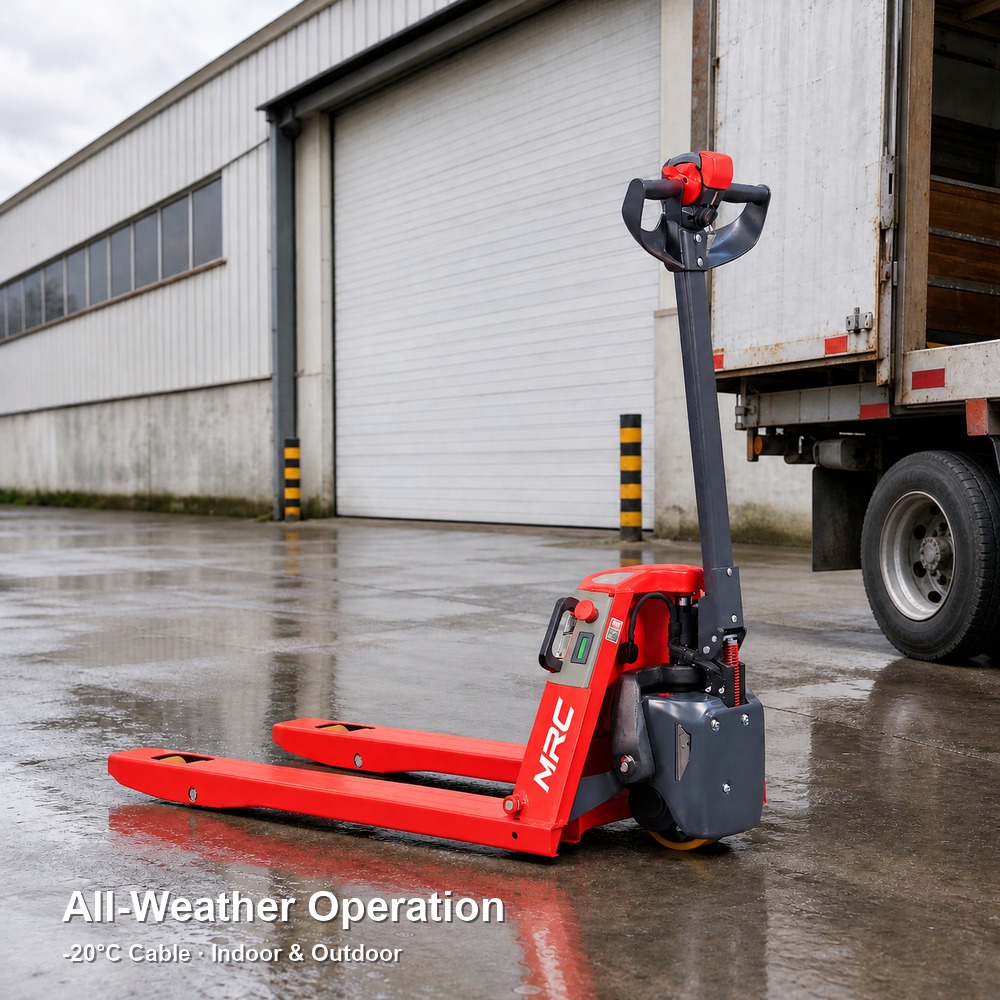
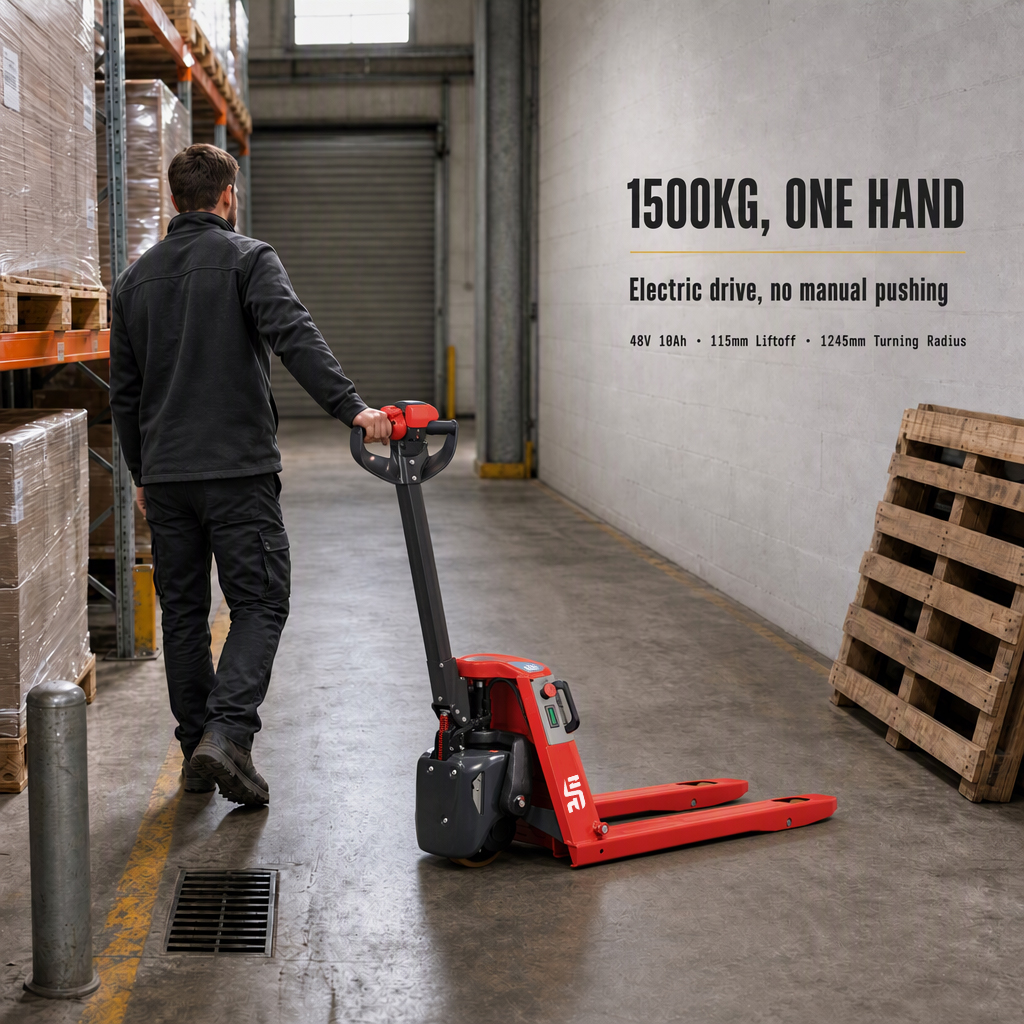
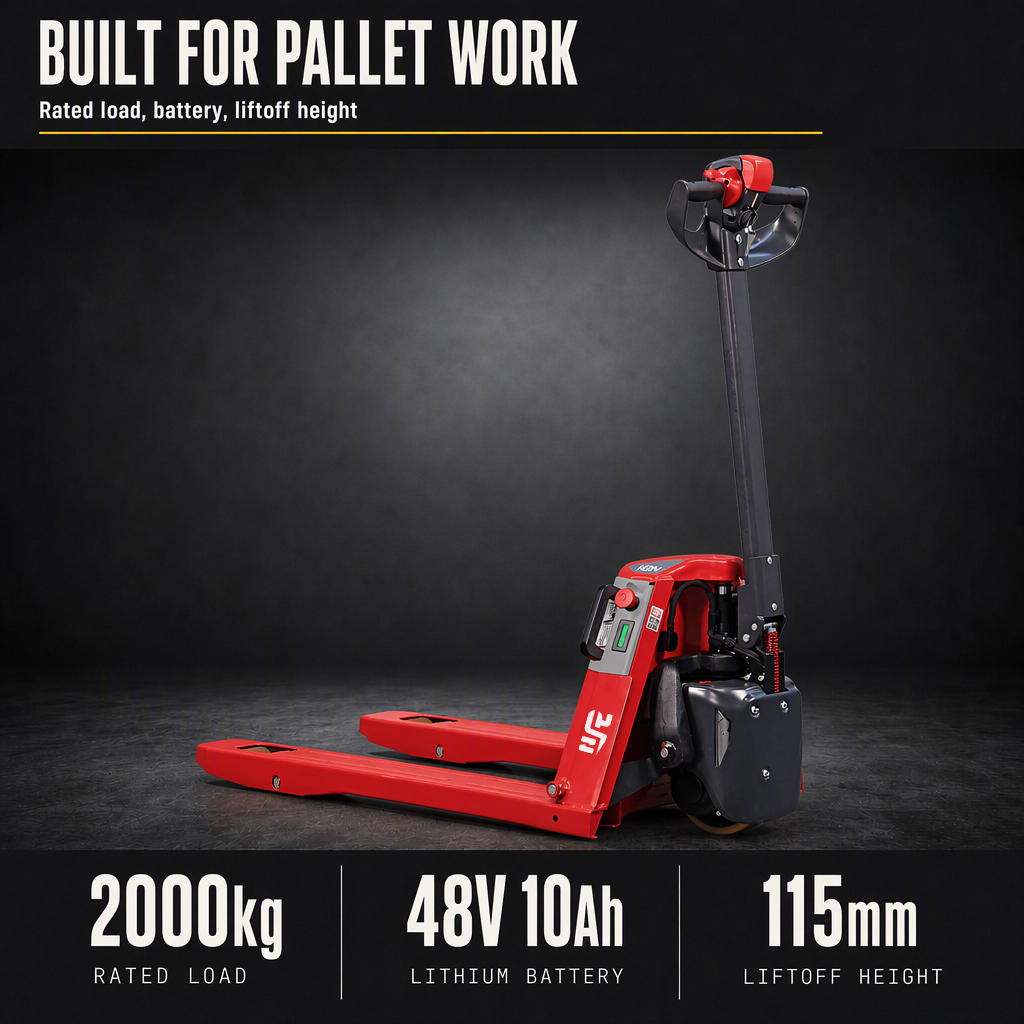
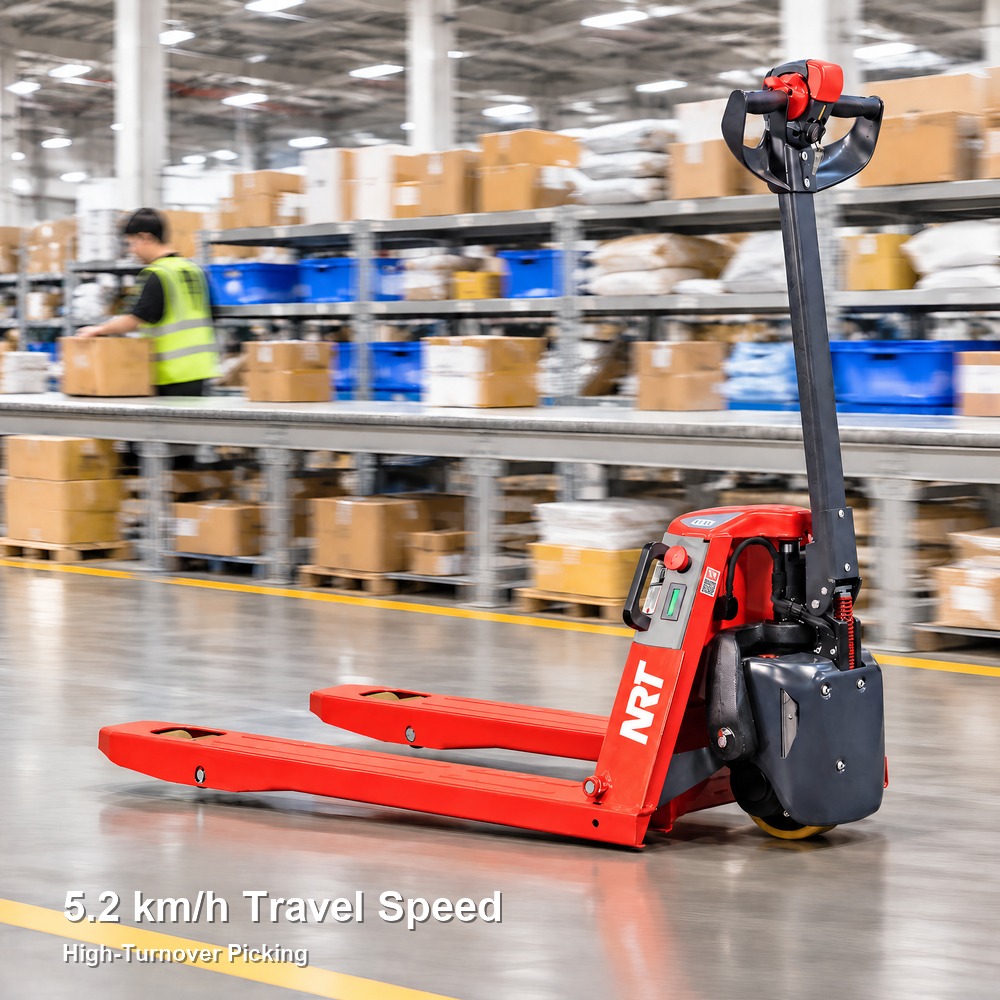
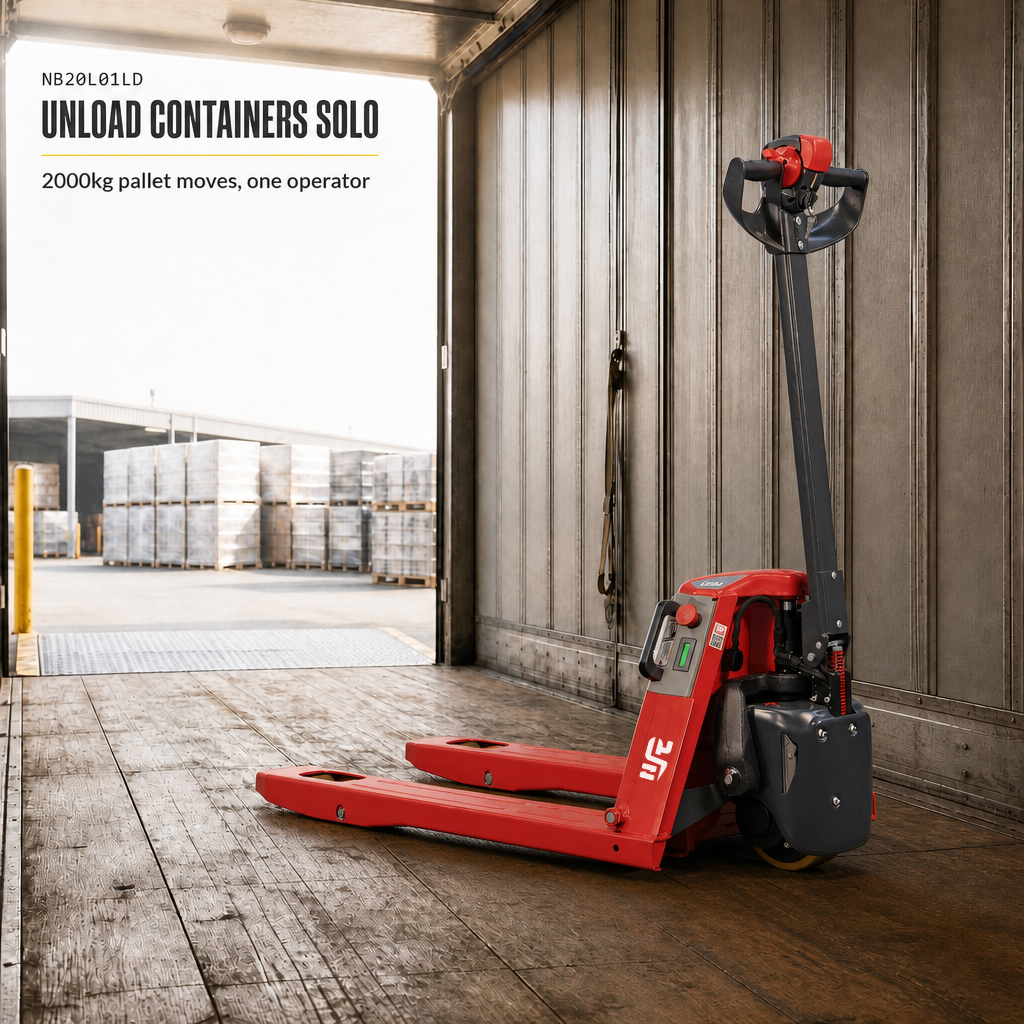
A 48 V 10 Ah lithium configuration with 1,150 mm forks and PU wheels — a practical daily transport specification for container loading and cross-docking.
Large-volume production and assembly capacity for container programs and recurring dealer stock.
1,200+
Skilled workforce
Production, assembly and quality-control teams supporting electric warehouse equipment.
100+
R&D engineers
Electric drive specialists focused on pallet trucks, stackers, forklifts and warehouse solutions.
5regions
Main export markets
Western Europe, North America, South America, Eastern Europe and Oceania.
Category intelligence
What “Pallet Stacker Truck” Really Means in Wholesale Sourcing
The term is used loosely. Some buyers mean a powered pallet truck for horizontal transport; others need a true stacker that lifts pallets into racking. Before comparing FOB prices, align on the job the equipment must perform.
In warehouse terminology, a pallet truck is primarily a horizontal mover. A pallet stacker truck adds vertical lift for low- or mid-height racking, picking faces or staging. Many Chinese wholesale catalogs — including walkie pallet jacks, electric pallet trucks and compact stackers — are grouped together because they share a battery, drive and control platform.
That overlap is useful for distributors building a compact product portfolio, but it creates specification risk. A 2,000 kg pallet truck with 1,150 mm forks is not automatically the right solution for a 3.5 m lift height, and a low-profile stacker is not necessarily efficient for long container-unloading runs. The practical answer is to shortlist by application, duty cycle and service access rather than by headline capacity alone.
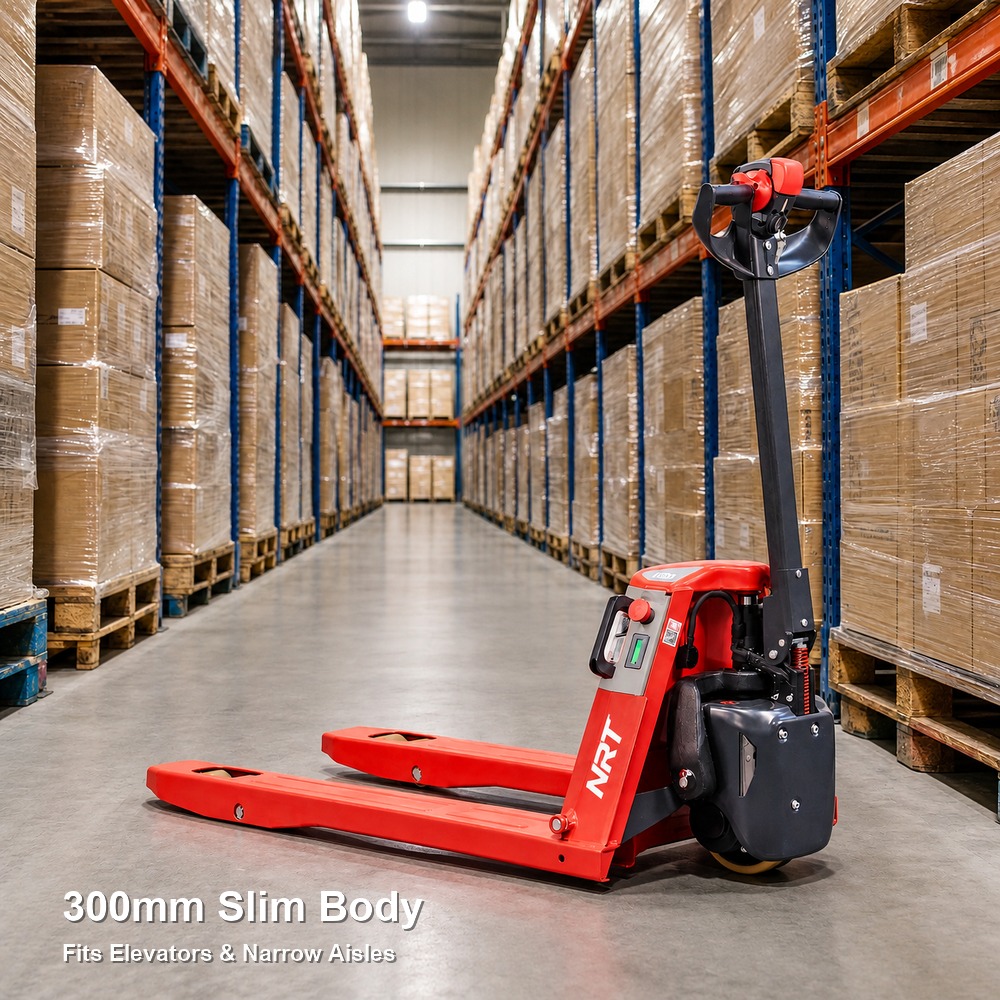
For most wholesale buyers, a sensible electric pallet truck range includes four commercial anchors: a 1.5 t light-duty model, a 2.0 t general-purpose model, an ultra-light 107 kg unit for elevators and mezzanine floors, and a service-optimized model with quick-release drive wheel access. This creates clear price steps for dealers while covering the majority of warehouse, retail, e-commerce and container-handling inquiries.
Confirm load weight and load center
Confirm lift height and fork length
Confirm aisle width and floor condition
Confirm battery, charger and shift pattern
This discipline matters for E-E-A-T and procurement quality: a supplier that asks these questions before quoting is usually better prepared to support spare parts, warranty and after-sales service than a supplier that simply sends a price sheet.
Xiamen Pexal Technology Co., Ltd. — sales, service and technical support base for electric material handling equipment.
Procurement trends
2026 Wholesale Procurement Trends Buyers Should Plan For
Price still matters, but the buying criteria around it have changed. Distributors are being asked by their own customers for cleaner equipment, faster service and clearer total-cost evidence.
Battery strategy
Lithium becomes the default — charger quality decides success
48 V lithium configurations with 10 Ah or 15 Ah packs are increasingly specified because opportunity charging and low maintenance suit multi-shift use. The purchase decision should include charger voltage, charging window, battery management and warranty terms.
Total cost
Total cost of ownership replaces headline FOB price
Buyers are modelling energy, maintenance, service downtime and labor impact over three to five years. A lower purchase price can lose its advantage if the drive wheel, controller or battery needs slow, difficult service access.
Serviceability
Serviceability is now a purchasing criterion
Quick-release drive wheels, accessible wiring, clear fault codes and export-ready spare-parts lists are moving from “nice to have” to RFQ requirements. For rental fleets, every hour of avoided downtime has a direct commercial value.
Safety
Safety and telematics move down-market
Electric braking, anti-rollback logic, speed control, emergency reversing and event logging are appearing on lighter warehouse trucks. Buyers should define which functions are required for their market rather than accepting a generic specification.
Product development
Product Development Trends to Watch from 2026 to 2030
The next competitive gap will not be a single specification. It will be how well the truck, battery, service network and data layer work together over a full ownership cycle.
Smarter battery architecture
Smart BMS, temperature monitoring, state-of-charge feedback and CAN communication help distributors support lithium trucks with fewer field surprises. Spec sheets should state battery capacity, charger compatibility and data access clearly.
Lighter chassis, stronger structures
Ultra-light 107 kg pallet trucks show how high-strength materials and compact drive layouts can reduce floor loading without sacrificing 1.5–2.0 t capacity. Expect more models designed for elevators, vans and mezzanine use.
Design for faster service
Quick-release drive wheels, modular controllers and plug-in harnesses reduce repair time. For wholesale buyers, the real benefit is a simpler spare-parts inventory and more predictable service training.
Safety by default
Electronic braking, anti-rollback, speed limiting, emergency reverse and audible alerts are becoming baseline expectations. Optional pedestrian-awareness functions are moving into warehouse planning conversations.
Automation-ready data layer
Fleet telematics, utilization reports and interfaces for automated guided forklifts are creating a bridge between manual pallet trucks and Logistics 4.0. Buyers should ask which data protocols and sensors are available now.
Sustainability and documentation
Battery traceability, recyclable materials, low-noise operation and market-specific documentation are becoming part of supplier evaluation. Certification scope and model-level evidence matter more than a generic certificate image.
Total cost of ownership
A Practical TCO and Duty-Cycle Lens for Wholesale Buyers
Use this as a planning model, not as a substitute for local quotations. The purpose is to shift the conversation from one-time price to lifetime productivity.
Illustrative five-year cost stack
For many warehouse operations, labor and uptime effects outweigh the initial equipment price. Serviceability and battery strategy directly influence both.
Uptime and labor impact40%
Initial equipment cost25%
Maintenance and spare parts20%
Energy and charging15%
Illustrative model only. Replace percentages with local labor rates, energy prices, financing terms and maintenance contracts before making a purchasing decision.
Typical duty profiles to discuss before quoting
A truck that works four hours a day and a truck that works three shifts do not need the same battery, service plan or warranty structure.
Retail backroom4–6 h
E-commerce fulfillment6–10 h
3PL and warehouse8–12 h
Manufacturing multi-shift10–16 h
48 VCommon lithium platform in the recommended models
1,150Fork length in mm on several container-loading models
RFQ checklist
8 Data Points That Change the Quotation
A precise RFQ reduces re-quotes, protects your margin and helps the supplier recommend a configuration that can actually be supported after delivery.
01
Load weight and load center
State the maximum daily load and whether loads are concentrated at the fork tips or away from the carriage.
02
Lift height and mast/stacking type
Clarify whether the unit is only for horizontal transport or must lift to a racking level, mezzanine or truck bed.
03
Aisle width and turning space
Share narrowest aisle, door width and turning radius. Narrow-aisle performance is a layout issue as much as a truck issue.
04
Floor and wheel requirement
Polyurethane wheels suit many smooth warehouse floors; rough yards, ramps and cold stores may need a different specification.
05
Duty cycle and shifts
Hours per shift, shifts per day and charging windows determine the right 48 V battery capacity and whether spare batteries are justified.
06
Battery, charger and voltage
Confirm destination voltage, plug type, charging location and whether opportunity charging is permitted in your customer’s workflow.
07
Documents and destination compliance
Ask for the exact certificate scope, model listing, manuals and language requirements for the destination market.
08
Branding, packaging and spare parts
Define color, logo, label, packaging and initial spare-parts kit. These details affect lead time, documentation and after-sales readiness.
Choose a China Wholesale Supplier the Way You Would Audit a Factory
Xiamen Pexal Technology Co., Ltd. was founded in Xiamen in 2024 as the sales, service and technical support base for Pexal material handling equipment. We work with a 220,000 m² partner manufacturing campus employing more than 1,200 people, including a team of more than 100 engineers focused on electric warehouse equipment.
Our position is straightforward: buyers should not have to choose between a low-cost Chinese supplier and a supplier that can document its operations. They should be able to evaluate both. That is why the company profile, onsite check, product range, customization capability and export terms should all be reviewed before the first container is confirmed.
Pexal’s product ecosystem covers electric forklifts, electric pallet trucks, pallet stackers, reach trucks, order pickers and automated guided forklifts. For wholesale buyers, this reduces the number of vendors involved in a warehouse equipment program and simplifies spare-parts planning, technical communication and after-sales escalation.
Our mission is practical: help buyers move from manual handling to electric handling, and from diesel to battery power, while reducing emissions, noise and operating cost. For distributors, that translates into a product story that is easier to explain to end customers — cleaner, quieter, lighter and easier to service.
Engineering details matter at the point of service — power system, controls and structural durability.
SGS-assessed and onsite-checked
Our company has passed a supplier assessment and onsite check conducted by SGS Group. Business type, products, markets and capabilities were reviewed onsite, and a verified company video is available for buyers.
Scale behind the product line
A 220,000 m² partner manufacturing campus and a 1,200+ workforce provide the production depth for container orders, recurring dealer stock and customization programs.
Full customization and ODM
Sample-based customization, full customization and ODM services are available. Configuration can cover mast height, fork length, battery type, color, logo and attachments, subject to model and order review.
One material handling range
Electric forklifts, diesel forklifts, pallet trucks, pallet stackers, reach trucks, order pickers and AGV robotics can be discussed under one supplier relationship, simplifying procurement and support.
Export program experience
Main export markets include Western Europe, North America, South America, Eastern Europe and Oceania. We serve dealers, rental companies and end users with flexible Incoterms and payment methods.
Verifiable communication
Company profile, video introduction, assessment records, trade capacity and transaction-level information are presented for review — reducing the information asymmetry that often slows first-time China sourcing.
Quality gate
Pre-Shipment Quality Evidence to Request
Quality is not a slogan on a brochure. It is a sequence of checks that can be described, documented and repeated for each order.
Incoming and assembly checks
Confirm component identity, structural assembly, torque values and wiring routing. Ask how deviations are recorded and closed before the unit moves to testing.
Functional test
Lifting, travel, braking, emergency stop, steering and electrical systems should be tested as a complete unit. Battery and charger performance should be verified with the configured specification.
Packaging and loading
Export packaging, moisture protection, securing points and container loading plan should match the destination and transport mode. Document the loading sequence for high-value orders.
Documents and handover
Request packing list, manuals, certificate scope, spare-parts list and warranty terms. For distributors, language and after-sales documentation are part of product quality.
Application matrix
Match the Pallet Truck Configuration to the Real Job
This matrix is a starting point for an RFQ conversation. Final selection should be confirmed against the actual load, floor, route and local requirements.
Application-to-configuration planning matrix
Application
Typical configuration
Why it works
RFQ data to provide
Container loading / cross-docking
1.5–2.0 t walkie pallet truck, 1,150 mm forks, PU wheels
Compact turning and predictable horizontal travel for repetitive dock work.
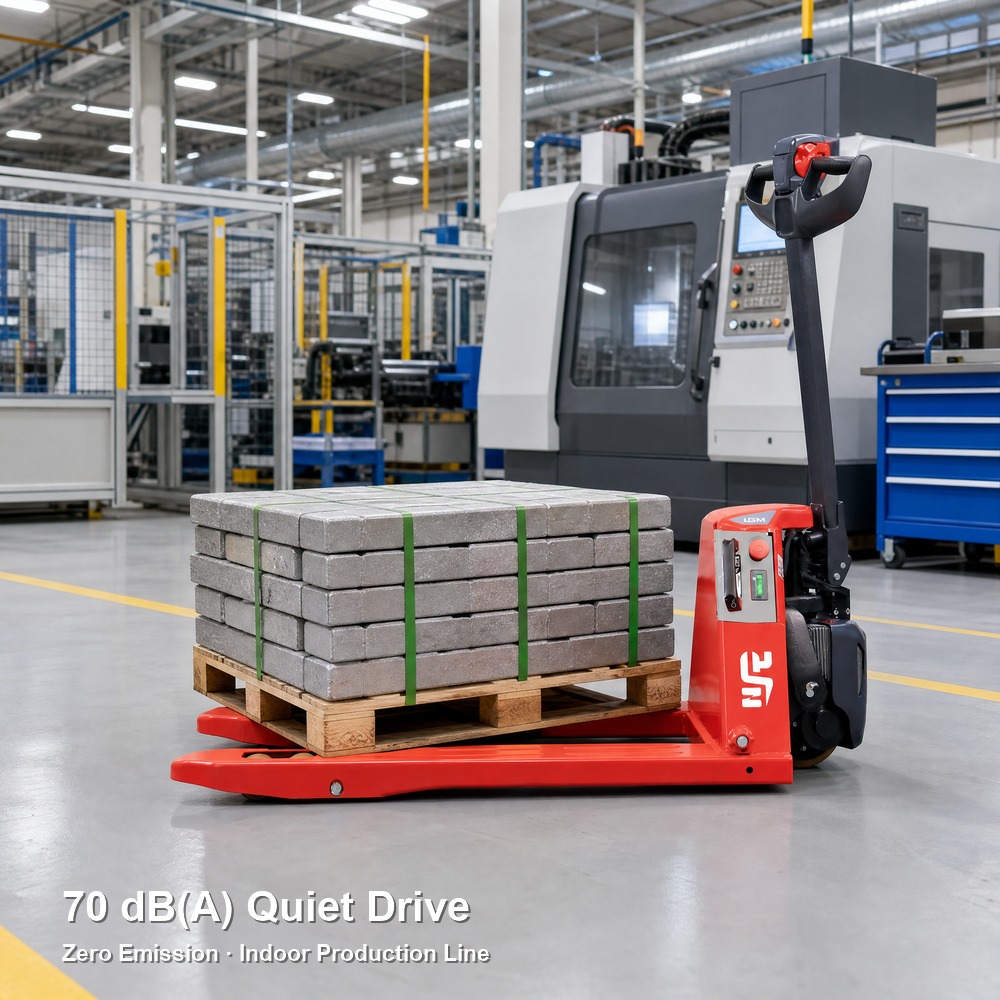
Zero local emissions and lower noise support indoor air quality and working conditions.
Temperature range, condensation risk, washdown policy, charger location.
Commercial terms
Export Terms, Payments and Currencies for Wholesale Programs
Commercial flexibility matters, but it should be documented clearly in the quotation and sales contract. The following terms are part of Pexal’s export discussion for qualified buyers.
Delivery terms
FOB, CFR, CIF, EXW, FCA, FAS, CPT, CIP, DDP, DDU and express options can be discussed according to destination and buyer preference.
FOBCFRCIFEXWFCACPTCIPDDPDDU
Payment methods
Payment structures can include T/T, L/C, D/P, D/A, Western Union, MoneyGram, PayPal, credit card and escrow, subject to order value and commercial review.
T/TL/CD/PD/APayPalCredit cardEscrow
Accepted currencies
Accepted currencies include USD, EUR, GBP, JPY, CAD, AUD, HKD, CHF and CNY. Currency choice should be confirmed before the proforma invoice is issued.
USDEURGBPJPYCADAUDHKDCHFCNY
Wholesale FAQ
Questions Buyers Ask About China Pallet Truck Sourcing
Clear answers reduce back-and-forth and help procurement teams compare suppliers on the same basis.
What is the difference between a pallet truck and a pallet stacker truck?
A pallet truck is mainly designed for horizontal transport — moving a pallet from a dock to a staging area, for example. A pallet stacker truck adds a vertical lift function so pallets can be placed into low- or mid-height racking, on mezzanine floors or in picking faces. In wholesale catalogs, the terms can overlap, so always confirm lift height, fork length, capacity and whether the model is intended for stacking or transport-only use.
Should I choose a 1,500 kg or 2,000 kg electric pallet truck?
Capacity should be selected from the actual load plus a safety margin, not from the pallet label alone. A 1,500 kg model can be efficient for lighter retail, e-commerce and container work. A 2,000 kg model is generally more suitable for dense warehouse loads, 3PL operations and multi-shift manufacturing. Also check load center, fork length and floor condition. A truck used near its limit on a rough floor will wear faster than a correctly specified unit.
Is 48 V lithium better than lead-acid for wholesale buyers?
For many modern warehouse applications, 48 V lithium offers advantages in opportunity charging, maintenance simplicity and clean indoor operation. The right choice still depends on duty cycle, charging windows, local energy costs, ambient temperature and after-sales capability. Buyers should request battery capacity, charger specification, BMS details and warranty terms — and should confirm that the battery configuration is serviceable in their market.
Can you customize pallet trucks for my brand or market?
Yes. Pexal offers sample-based customization, full customization and ODM services. Depending on the model and order, customization can include fork length, battery type, mast height for stackers, color, logo, labels, manuals, packaging and selected attachments. The more changes you request, the more important it is to confirm the final drawing, sample or specification sheet before production.
What documents and verification can you provide?
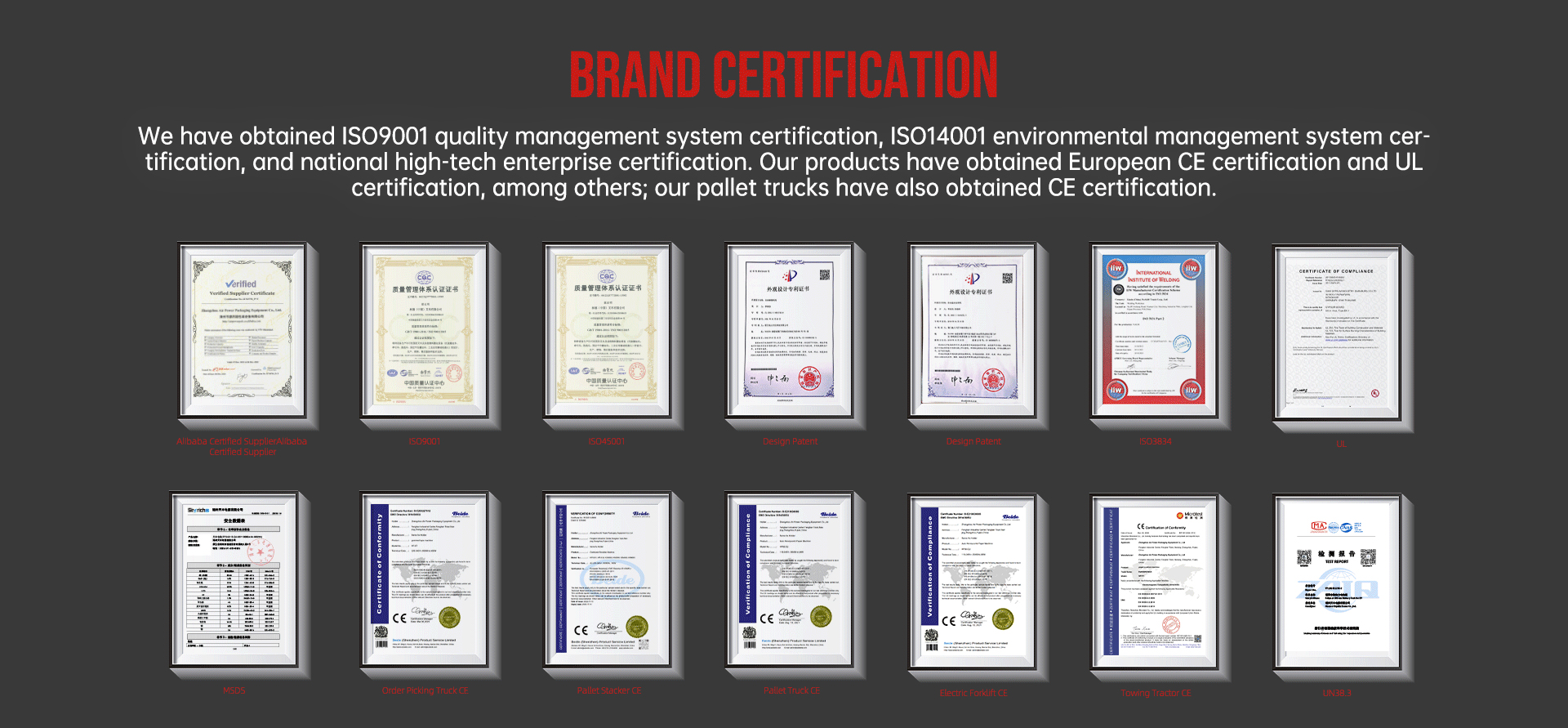
Xiamen Pexal Technology Co., Ltd. has passed an onsite check and supplier assessment conducted by SGS Group. Buyers can review the company profile, video introduction, assessment records, credit and transaction information. For product-specific documents, ask for the exact certificate scope and model listing required by your destination market. A generic certificate image should never replace model-level confirmation.
What are the MOQ, lead time and delivery terms?
MOQ and lead time depend on the model, battery configuration, customization, packaging and order season. The fastest way to get an accurate answer is to provide the model, quantity, destination port, voltage requirement, branding needs and target shipment date. We can then confirm the production schedule and quote under FOB, CFR, CIF, EXW, FCA, CPT, CIP, DDP or another agreed Incoterm.
How do you support spare parts and after-sales service?
After-sales support starts at the quotation stage: clear exploded views, a recommended spare-parts list, service manuals and technical video content help distributors support the equipment locally. Models with quick-release drive-wheel access are easier to service. For a new market entry, discuss an initial spare-parts kit, training content and the most commonly replaced components before the first order is shipped.
How do I request a catalog and a configuration recommendation?
Use the Get Catalog button to start the inquiry. To speed up the recommendation, include the load weight, lift height if any, aisle width, floor type, required battery/charger voltage, daily duty cycle, destination market and expected order quantity. A complete RFQ usually results in a more accurate configuration and fewer quotation revisions.
Wholesale program support
Build a Higher-Uptime Pallet Truck Program with Pexal
Share your load, aisle, lift height, duty cycle and destination market. Our team will help you shortlist the right electric pallet truck or stacker-class configuration, confirm customization options and prepare an export-ready quotation.