China Wholesale Lead Acid Battery Pallet Truck Manufacturer & Wholesaler
A practical sourcing guide for distributors, rental fleets and warehouse operators evaluating lead-acid and lithium battery pallet trucks from China — covering model selection, total cost of ownership, export compliance, customization and after-sales readiness.
8 Battery Pallet Trucks & Stackers Ready for Distributor Programs
These models cover the commercial realities of wholesale material handling: container unloading, cold storage, ramp transitions, narrow aisles, elevator access, racking and shop-floor transport. Lead-acid and lithium-ion configurations can be specified according to route length, charging window, ambient temperature and local service capability.
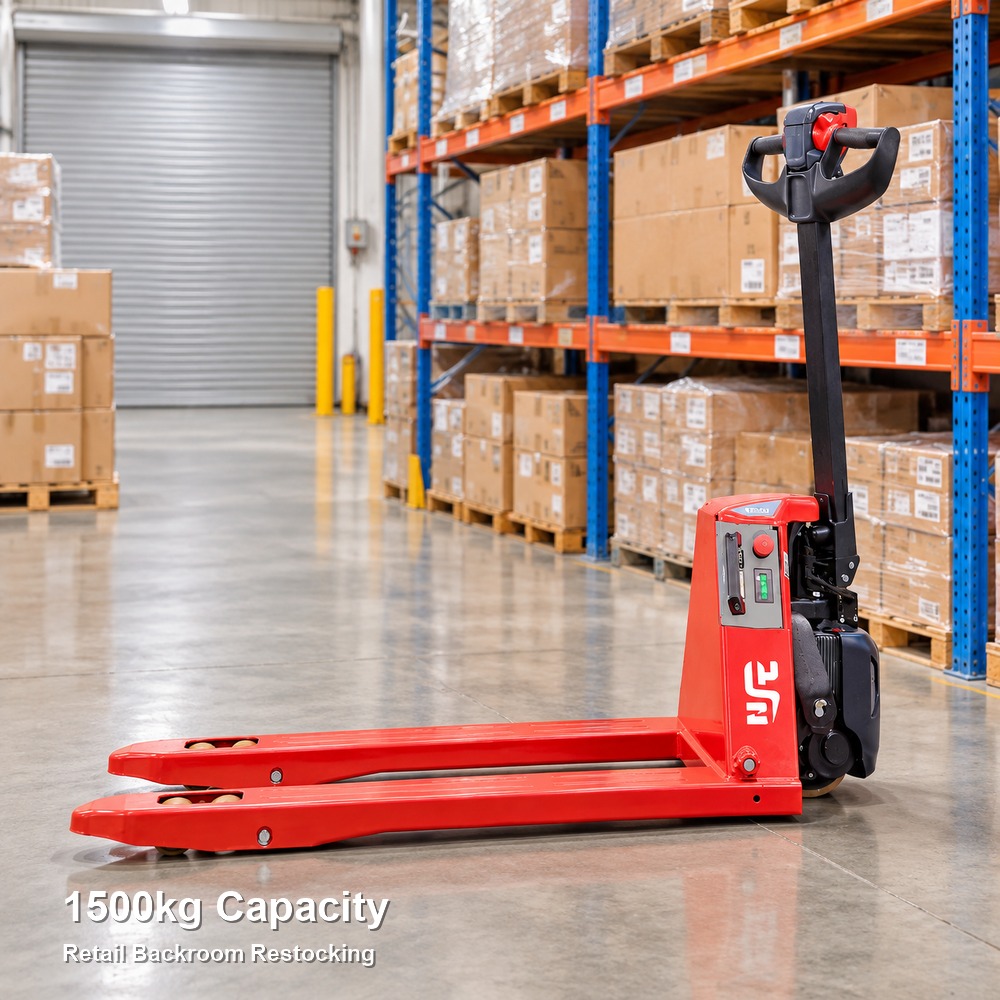
Cold Storage Electric Pallet Jack -20C Working 48V Lithium Battery Pallet Truck Walkie Type 1500kg 2000kg
Walkie pallet truck engineered for deep-freeze and cold-chain operations, with sealed electrical protection, cold-tolerant battery management and condensation control for −20°C working conditions.
View Model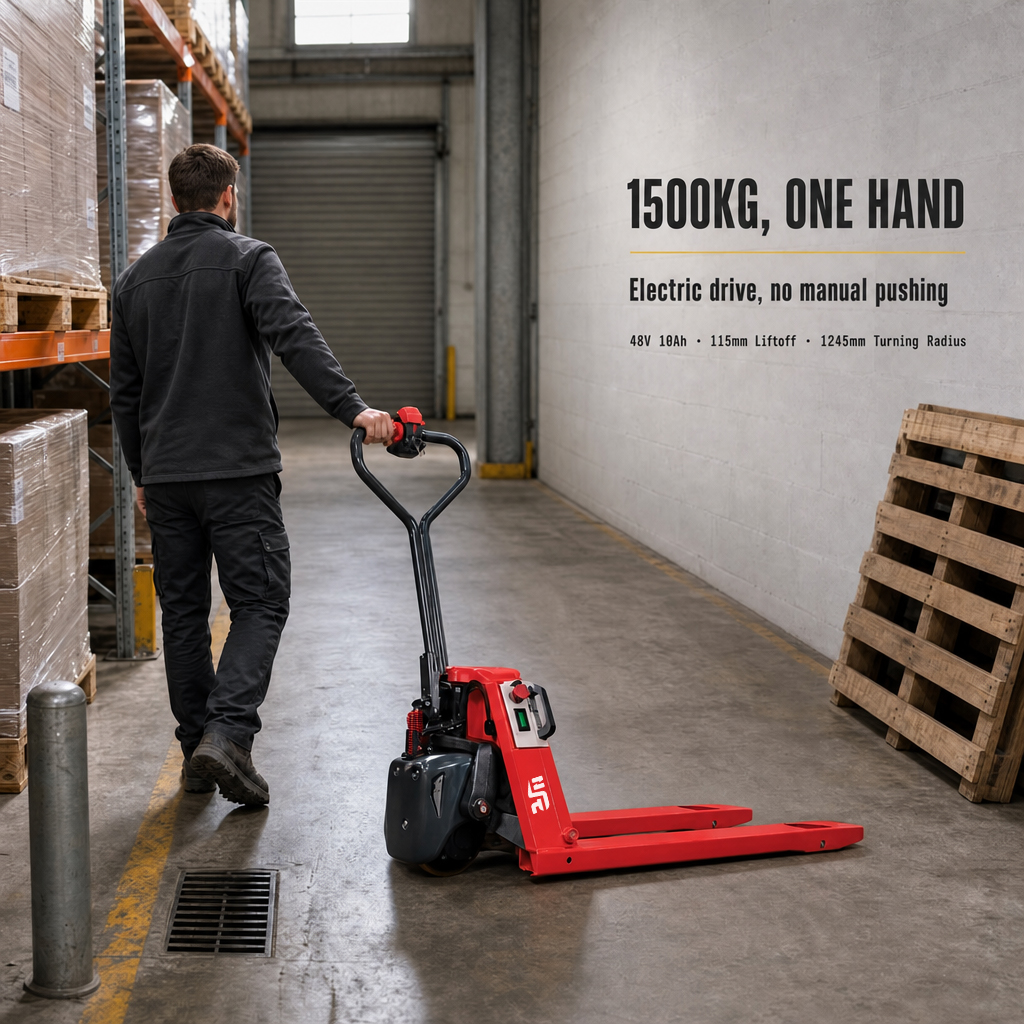
80mm Ground Clearance Electric Pallet Jack 9% Climbing Grade 1450mm Vehicle Length Lithium Pallet Truck for Ramp Use
Low-clearance lithium pallet truck for dock ramps, trailer decks and transitions. The 80 mm chassis and 9% climbing grade help maintain control where standard pallet jacks may scrape or lose traction.
View Model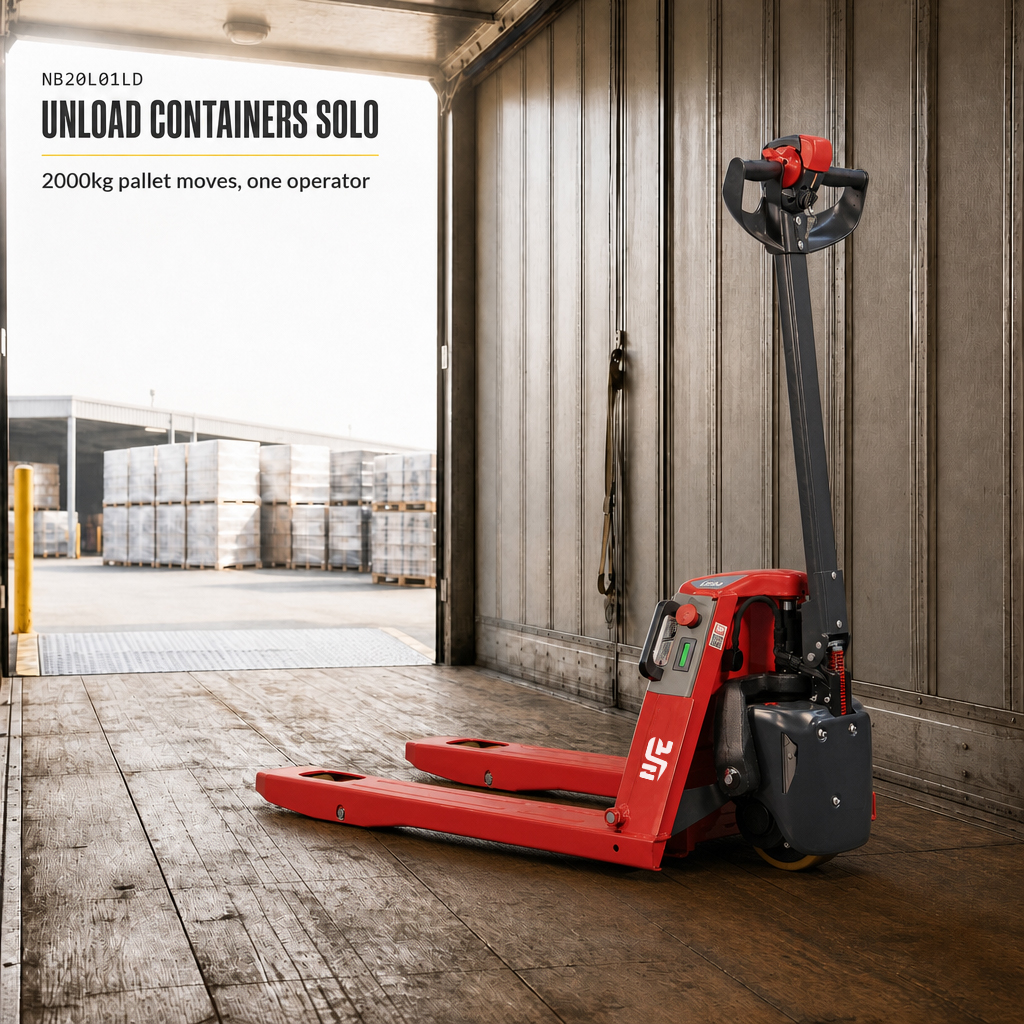
NRT 2 Ton Electric Pallet Jack Lithium-Ion 48V 10Ah 1150mm Forks Polyurethane Wheels Warehouse Handling
A 2-ton lithium pallet jack for warehouse handling, with 1150 mm forks and polyurethane wheels for smooth floors. Compact battery packaging supports frequent use in receiving and dispatch areas.
View Model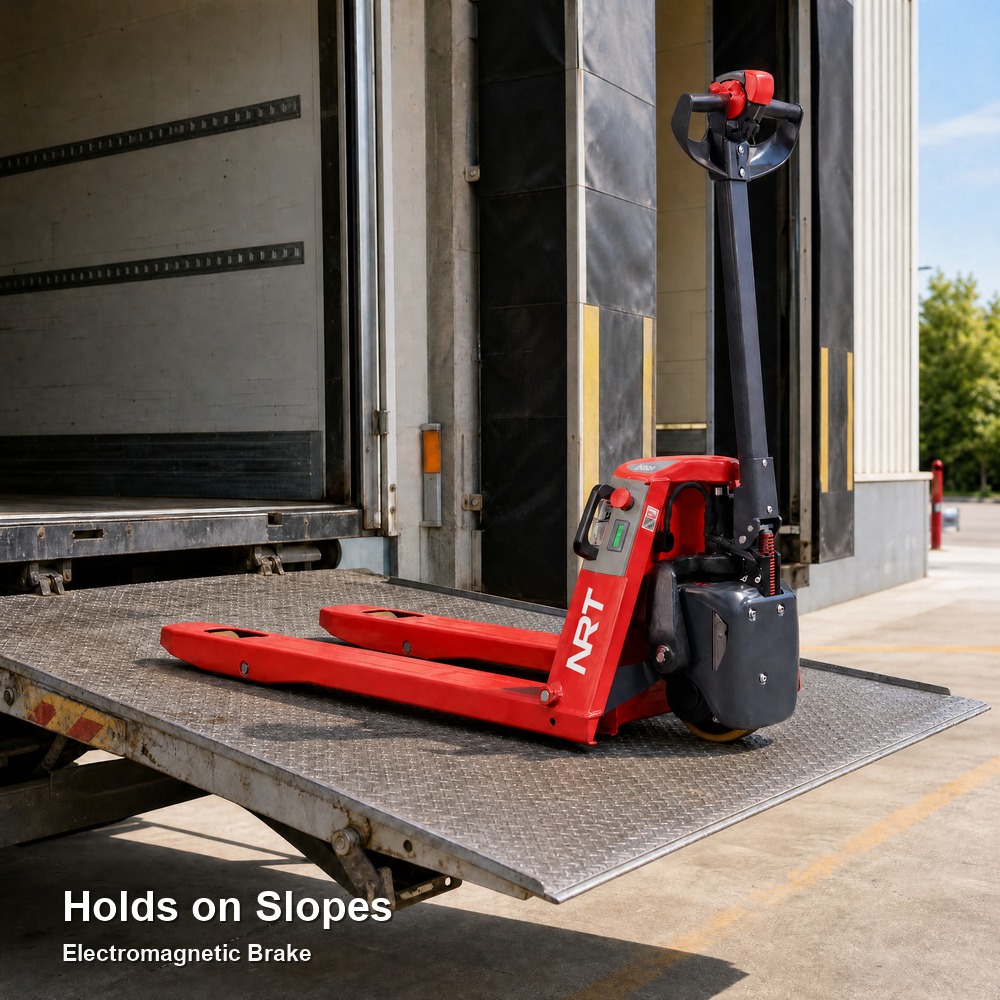
Electric Pallet Jack 1500kg 300mm Slim Body Walkie Pallet Truck for Elevator Freight Box Narrow Aisle Handling
Slim-body walkie pallet truck for elevators, freight boxes and narrow aisles. The 300 mm body width is intended for space-constrained sites where standard chassis dimensions restrict movement.
View Model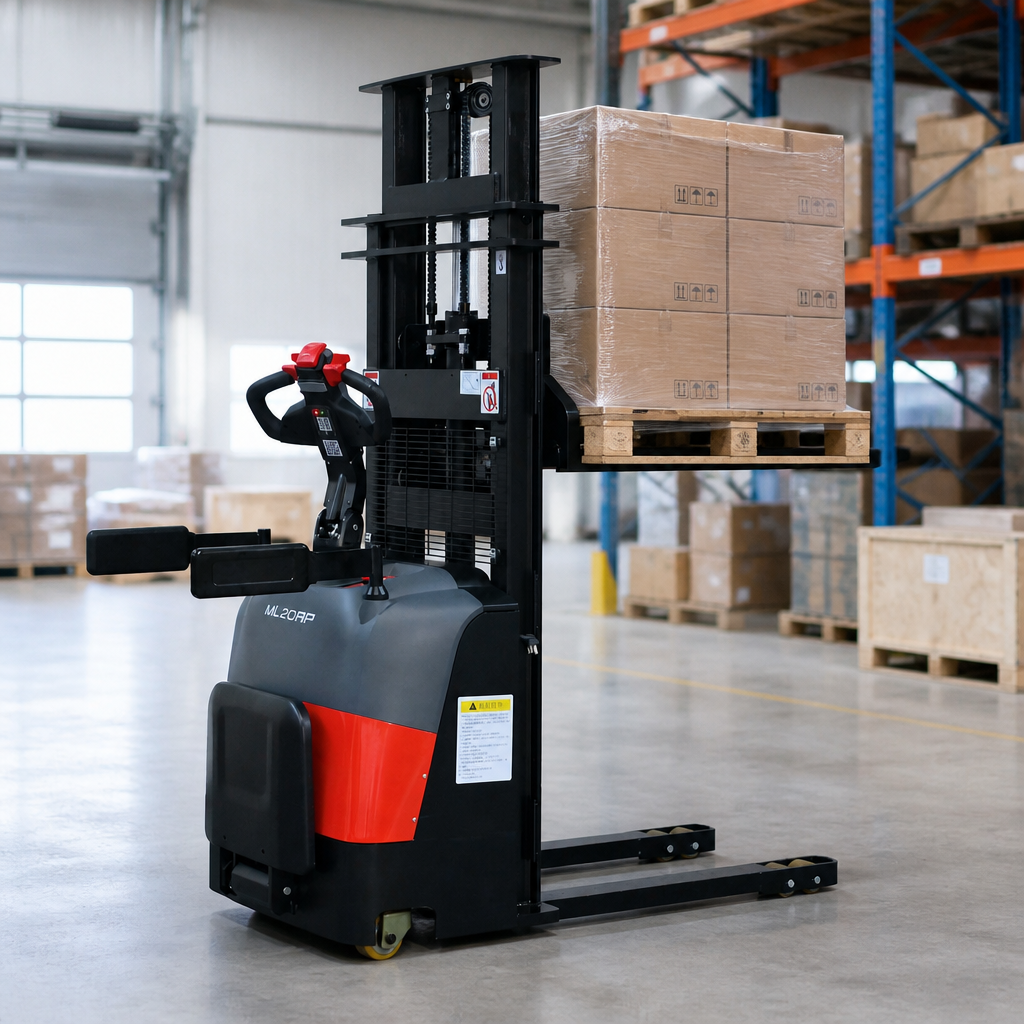
Electric Pallet Stacker 2000kg 3410mm Lift Height Stand on Stacker Truck for Warehouse Racking Stacking
A stand-on stacker for warehouse racking and repeated pallet lifting. The 3410 mm lift height supports vertical storage planning where both throughput and operator fatigue matter.
View Model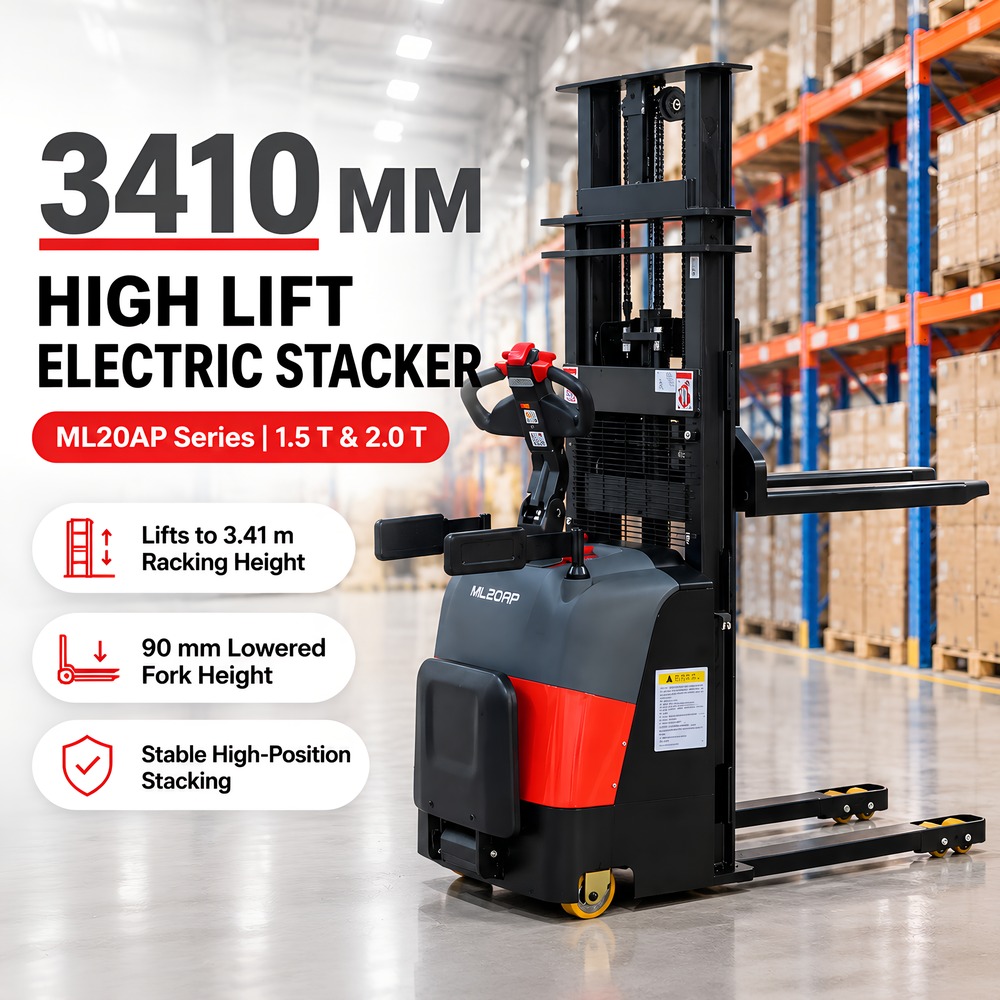
ML20AP Stand on Electric Stacker Truck 2000kg Warehouse Stacker for Narrow Aisle Loading Dock Building Material Shops
ML20AP stand-on electric stacker for narrow aisles, loading docks and building-material shops. A practical compromise between compact walkie equipment and higher-volume warehouse stackers.
View Model
Stand on Electric Stacker 2000kg for Narrow Aisle Warehouse Loading Dock Building Material Shop Pallet Handling
A narrow-aisle stand-on stacker for pallet handling in warehouses, loading docks and building material shops. Designed around stable lifting, compact footprint and operator visibility.
View Model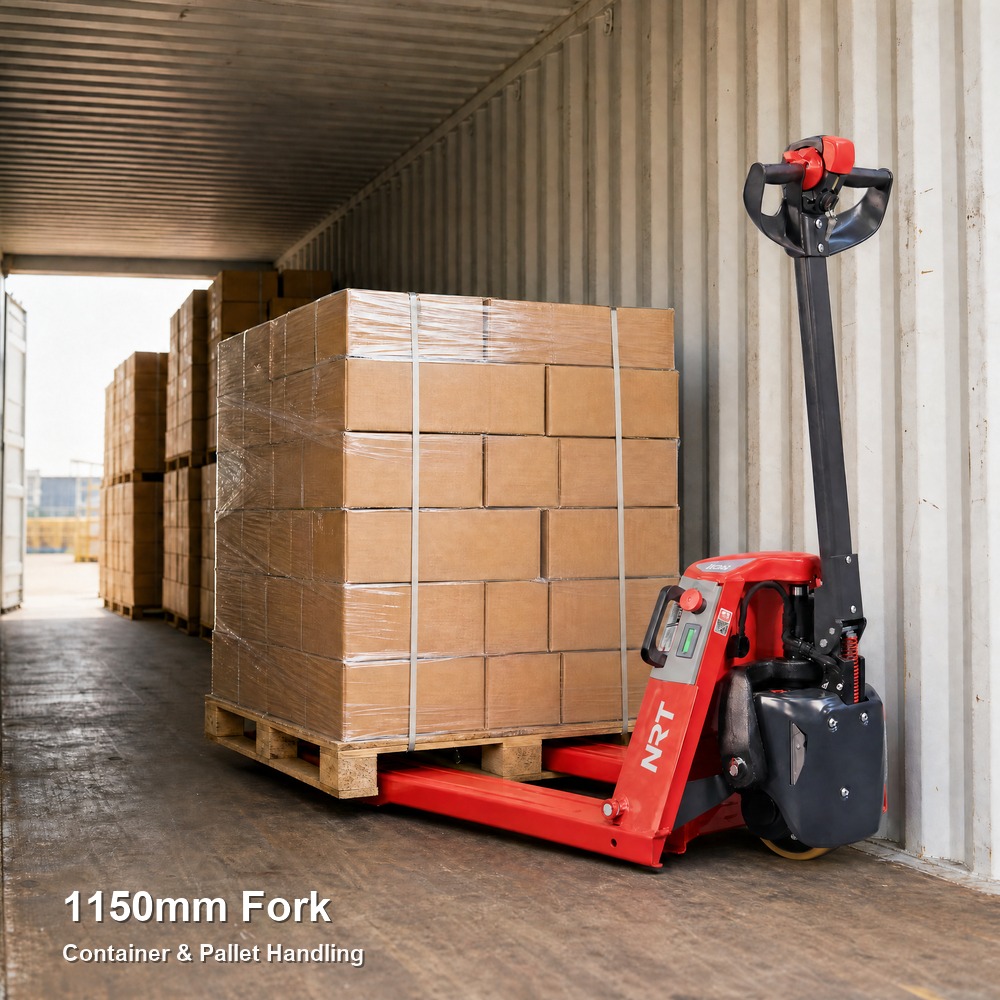
Walkie Electric Pallet Jack 1500kg Fork 1150mm Pallet Truck Battery Powered for Container Unloading Shop Floor
Battery-powered walkie pallet jack for container unloading, shop-floor transport and horizontal pallet movement. The 1150 mm fork length supports common pallet sizes and tight maneuvering.
View ModelScaled production for container and recurring dealer orders
Production, assembly and quality-control personnel
Electric drive and warehouse equipment specialists
Western Europe, North America, South America, Eastern Europe, Oceania
Why Pexal Is Built for Wholesale, Not One-Off Selling
Xiamen Pexal Technology Co., Ltd. was founded in Xiamen, Fujian in 2024 as the sales, service and technical support base for Pexal material handling equipment. Our structure is intentionally buyer-centric: we combine source-direct access to a 220,000 m² partner manufacturing campus and a 1,200-person workforce with a team of more than 100 engineers focused on electric warehouse equipment.
For lead-acid battery pallet truck wholesale, that means we can align battery capacity, charger specification, fork length, chassis width, paint, logo, labels, packaging and spare-parts kits to your market. We support sample-based customization, full customization and ODM. Buyers can review our SGS onsite assessment, trade capacity, transaction history and verified company video before placing a first order.
Our main export markets are Western Europe, North America, South America, Eastern Europe and Oceania, serving dealers, rental companies and end users. We accept common delivery terms including FOB, CFR, CIF, EXW, FCA, CPT, CIP and DDP, and support payment by T/T, L/C, D/P, D/A, Western Union, PayPal, credit card and escrow where applicable.
- Sample-based and full customization
- OEM / ODM private-label programs
- SGS-assessed onsite supplier
- Complete electric warehouse truck range
- Export packaging and documentation support
- Spare-parts and after-sales planning

Source-Direct Economics
Partner-factory pricing, consolidated spare-parts planning and container-level order support help distributors protect margin without diluting specification.
SGS-Assessed Trust
Onsite check and supplier assessment conducted by SGS Group, with credit index, trade capacity and transaction records available for due diligence.
OEM / ODM Engineering
Mast height, fork length, battery chemistry, charger type, color, logo, labels and packaging can be configured for private-label or market-specific programs.
Export Logistics
Export packaging, flexible Incoterms from EXW to DDP and consolidation through Xiamen port support distributors that manage mixed-model inventory.
Serviceability by Design
Wear-part access, controller diagnostics and spare-parts kits are considered during configuration so local dealers can support fleets after shipment.
Global Market Awareness
Voltage, documentation, packaging and after-sales expectations are reviewed for Western Europe, North America, South America, Eastern Europe and Oceania.
Lead-Acid Is Not Obsolete: It Is a Procurement Decision
Procurement teams often frame lead-acid versus lithium as a binary technology choice. In practice, the better question is availability of charging windows, shift pattern, battery-room ventilation, labor for watering, ambient temperature, fleet utilization and total cost over the asset life. A lead-acid battery pallet truck can remain the lowest-cost option in single-shift warehouses where charging is planned and maintenance is disciplined.
Lithium-ion is increasingly specified for cold storage, opportunity charging, multi-shift fleets and sites where battery swapping creates avoidable downtime. A manufacturer that can supply both chemistries protects distributors from over-standardizing too early. For wholesale buyers, the strongest sourcing strategy is usually a dual-chemistry catalog with clear application rules.
Information gain for buyers: model total cost as TCO = landed purchase price + charging energy + battery maintenance + replacement cycle + downtime + spare parts + residual value. A lower unit price is not automatically a lower program cost when battery handling labor and charging infrastructure are included.
Illustrative Application Review Weighting
| Decision Area | Lead-Acid Battery Pallet Truck | Lithium-Ion Pallet Truck | Buyer Implication |
|---|---|---|---|
| Upfront Cost | Usually lower battery and charger investment | Higher battery premium in many configurations | Compare total fleet cost, not unit price alone |
| Charging Strategy | Planned charging bays and battery rooms | Opportunity charging and fast-charge capability | Map charging windows to shift changes |
| Routine Maintenance | Watering, cleaning and equalizing discipline | Low routine maintenance with BMS protection | Labor availability affects real operating cost |
| Cold Storage | Possible with cold-rated specification | Often preferred with heated BMS and cold packaging | Freezer rooms require application review |
| Multi-Shift Use | Battery swapping or spare batteries may be required | Strong fit for opportunity charging between breaks | Uptime demand drives chemistry selection |
| Recycling Path | Mature lead-acid collection and recycling infrastructure | Growing lithium recycling ecosystem | Check local end-of-life requirements |
| Best Fit | Single-shift, budget-sensitive, dedicated charging | Cold, multi-shift, high-uptime, low-maintenance | Dual-chemistry ranges reduce program risk |
Match the Truck to the Real Duty Cycle
Model selection should follow the work, not the other way around. These three application paths help distributors shortlist the right configuration before requesting a quotation.
Horizontal Transport
For container unloading, retail backrooms, shop floors and dock-to-storage movement, prioritize compact walkie pallet trucks with suitable fork length, wheel type and battery strategy.
Racking & Stacking
For racking, loading docks and vertical storage, choose a stand-on stacker with the required lift height, mast stability and aisle clearance. Confirm racking beam height before finalizing 3410 mm lift models.
Narrow Access & Cold Rooms
For elevators, freight boxes, narrow aisles or freezer rooms, shortlist slim-body walkie trucks or cold-storage lithium models after checking door widths, floor transitions and battery temperature limits.
How Wholesale Buyers Will Source Battery Pallet Trucks Through 2030
Purchasing is shifting from catalog buying to program buying. Distributors that document application logic, spare-parts coverage and battery strategy will win against suppliers that compete only on headline price.
TCO Replaces Lowest Price
Procurement teams increasingly compare charging energy, battery replacement, labor for watering, downtime and spare-parts cost. The winning quotation is the one with the lowest risk-adjusted cost over the ownership period.
Dual-Chemistry Catalogs
Buyers are planning lead-acid for standard single-shift routes and lithium for cold storage or multi-shift fleets. A single supplier that can support both chemistries simplifies inventory, training and spare-parts planning.
Battery Safety Documentation
Wholesalers need battery specifications, charger compatibility, shipping documentation and operating limits. Sellers that cannot provide clear technical files create avoidable compliance risk for importers.
Spare-Parts Kits in the Order
Wear parts and high-risk components are increasingly purchased with the first container. This reduces post-sale delays for dealers and protects fleet uptime for end users.
Container & Mixed-SKU Optimization
Distributors are blending pallet trucks, stackers, chargers and spare parts in one shipment. Export packaging and model-level loading plans become part of supplier evaluation.
Serviceability as a Buying Criterion
Local repair speed matters more than ever. Dealers evaluate controller access, wiring layout, parts availability, training materials and remote troubleshooting support before committing to a brand.
What the Next Generation of Pallet Trucks Must Deliver
The direction is clear: modular power, better diagnostics, application-specific protection and lower lifetime friction. The most valuable product improvements are often invisible on a spec sheet but measurable in uptime.
Modular Battery Architecture
Designs that accept different battery capacities or chemistries make it easier for distributors to serve multiple market segments without multiplying spare-part complexity.
Smart BMS & Diagnostics
Battery management systems and controller diagnostics support faster fault finding. For fleets, the value lies in reducing service visits and improving first-time repair rates.
Cold-Chain Readiness
Sealed connectors, condensation management and temperature-aware charging are becoming key differentiators for freezer rooms, food logistics and pharmaceutical warehouses.
Narrow-Aisle Compactness
Retail, elevator and urban logistics sites demand tighter turning and reduced chassis width. Compact trucks must preserve stability and lifting performance, not simply shrink dimensions.
Human-Centered Safety
Ergonomic tiller heads, visibility, emergency reverse, braking behavior and low step height reduce operator fatigue and incident risk in repetitive pallet handling.
Circular Battery Planning
Recycling, refurbishment and second-life planning are becoming procurement questions. Suppliers that provide clear end-of-life guidance help importers meet customer sustainability expectations.
What to Verify Before Approving a China Wholesale Program
The right supplier should make it easy to verify the machine, the factory and the after-sales plan. Use this checklist during supplier comparison.
Pre-Shipment Function Testing
Confirm lifting, travel, braking and electrical systems are tested before dispatch. Ask for model-specific inspection records and photos where appropriate.
Factory & Capacity Evidence
Use onsite assessment, company video, trade capacity and transaction history to understand whether the supplier can support repeat wholesale orders.
Documentation Readiness
Battery specifications, charger instructions, packing lists, warranty terms and operating manuals should match the destination market and end-user language requirements.
Spare-Parts Availability
Ask for wear-part lists, recommended stock kits and controller-level support. A low machine price is poor value if a common part stops a fleet for weeks.
Incoterms & Payment Fit
Confirm who controls freight, insurance and import clearance. Match Incoterms and payment method to your cash flow and risk policy before production begins.
After-Sales Triage Plan
Agree how technical issues are reported, what evidence is required and how replacement parts are shipped. Clear triage rules prevent friction after the first container arrives.
Questions Wholesale Buyers Ask Before Ordering
Straight answers for importers, dealers, rental companies and warehouse operators comparing lead-acid and lithium battery pallet trucks from China.
What is a lead-acid battery pallet truck, and when is it the right choice?
How should I compare lead-acid and lithium-ion for a 1.5–2 ton pallet truck fleet?
Can Xiamen Pexal Technology Co., Ltd. support OEM, ODM and private-label orders?
What is the typical wholesale order process?
Which Incoterms and payment methods are available?
Which export markets do you serve?
How are cold-storage, ramp-use and narrow-aisle units protected during shipping?
What documentation and after-sales support can be provided?
Plan Your Next Battery Pallet Truck Program With Pexal
Send your load weight, aisle width, lift height, ramp or floor condition, shift pattern and destination market. Our team will recommend a practical lead-acid or lithium configuration, confirm OEM/ODM options, and prepare a wholesale quotation with delivery terms.
Email: info@pexalbot.com | Xiamen Pexal Technology Co., Ltd. — SGS-assessed supplier with OEM / ODM support for global distributors.