China Wholesale Electric Pallet Jack Manufacturers & Exporters
Evidence-led sourcing for distributors, rental fleets and warehouse operators — 1,500kg to 2,000kg lithium pallet trucks, walkie pallet jacks, stackers and export-ready OEM programs engineered for repeatable uptime.
Eight Wholesale Electric Pallet Jacks & Stackers for Dealer Programs
The models below reflect configurations frequently requested by dealers, 3PLs, retail backrooms, food-grade warehouses and container-loading teams. Each image and title links to the original product page. Before a purchase order, reconfirm load centre, aisle width, lift height, duty cycle, battery charging window and destination-market documentation.
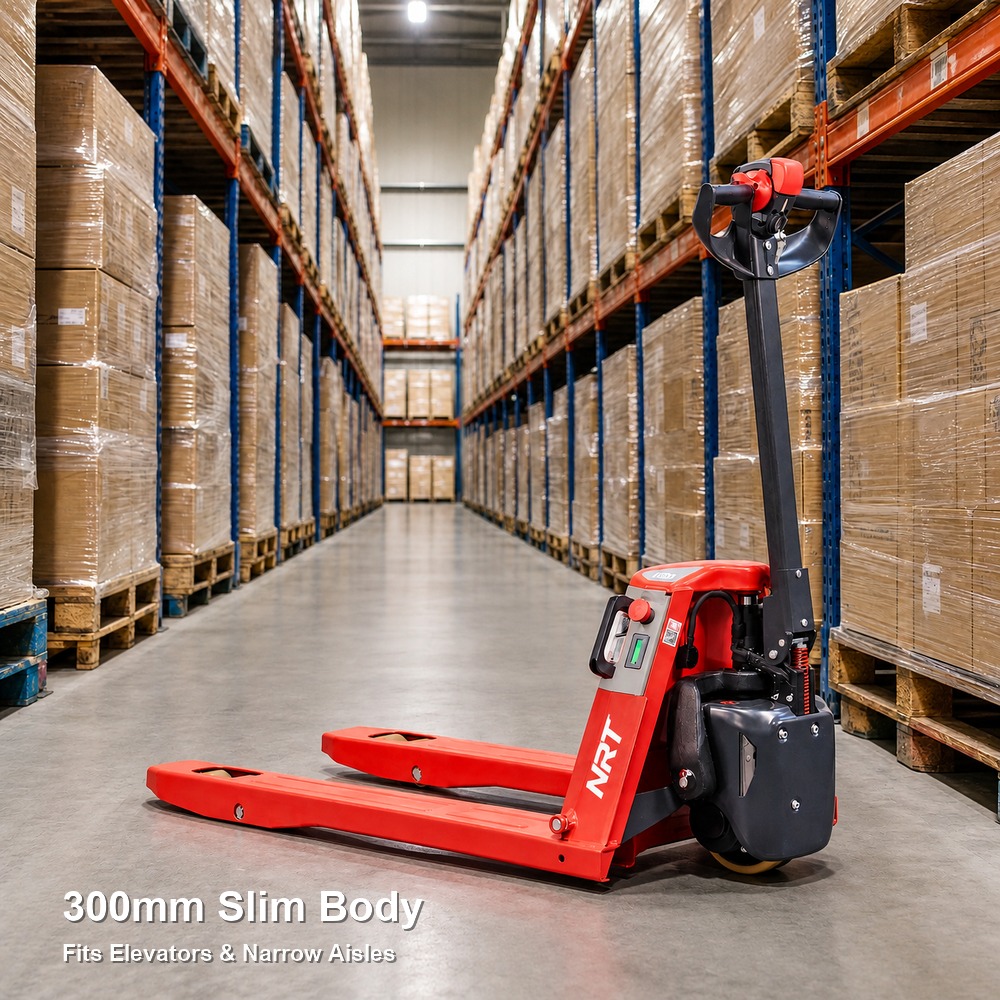
NB15L01LD Electric Pallet Jack 2000kg 48V 15Ah Lithium Battery 850W Fork 1150mm PU Wheels Pallet Truck
A compact lithium walkie for container unloading, dock-to-stock transfer and retail replenishment. The 1,150mm fork and 48V 15Ah battery package target opportunity charging and low daily maintenance.
View full specifications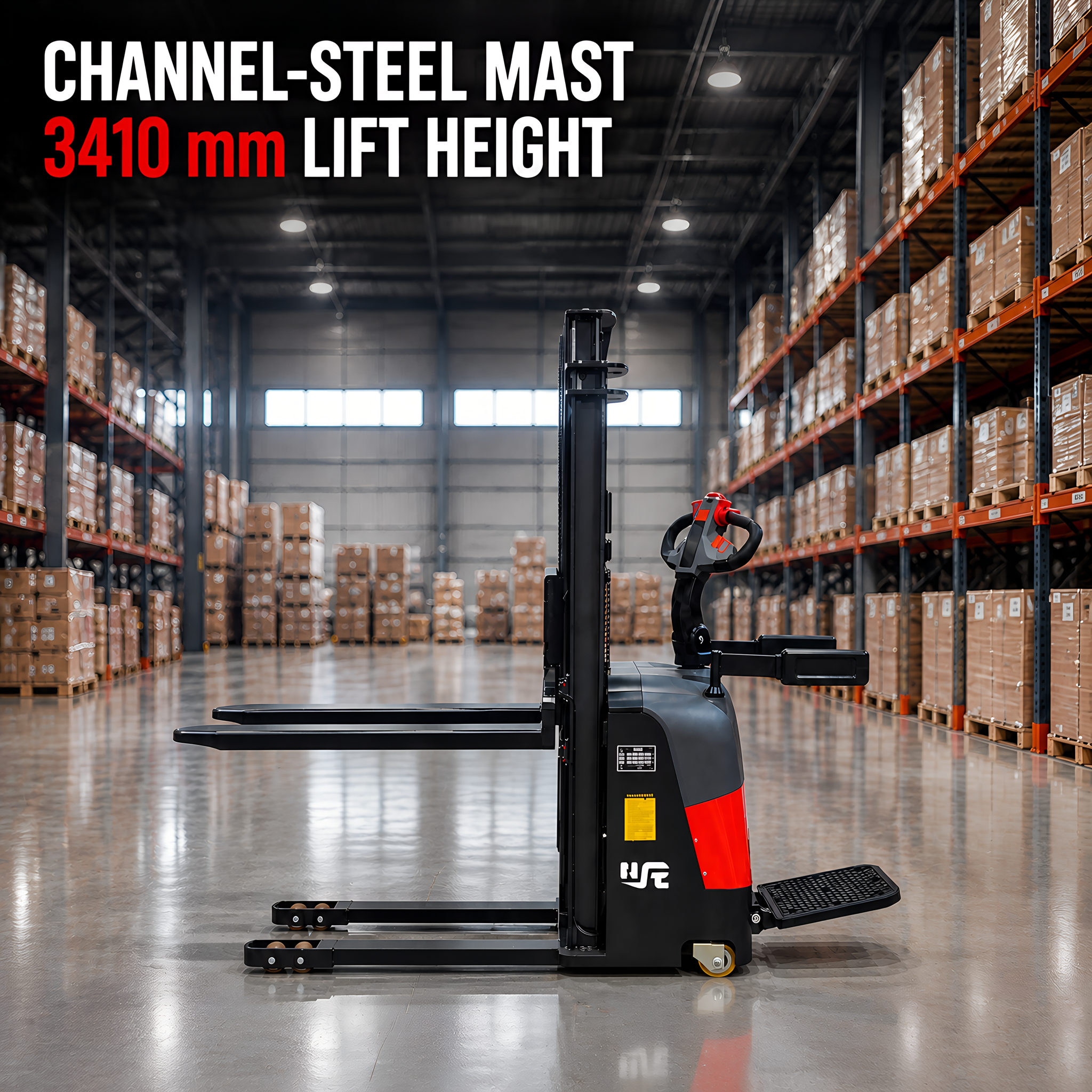
ML20AP Stand on Electric Stacker 2000kg 3410mm Max Lift 1478mm Turning Radius 820mm Body Width
A stand-on stacker for medium-high racking and narrow transfer lanes. The 3,410mm lift and 1,478mm turning radius support space-constrained warehouses that need faster pallet positioning.
View full specifications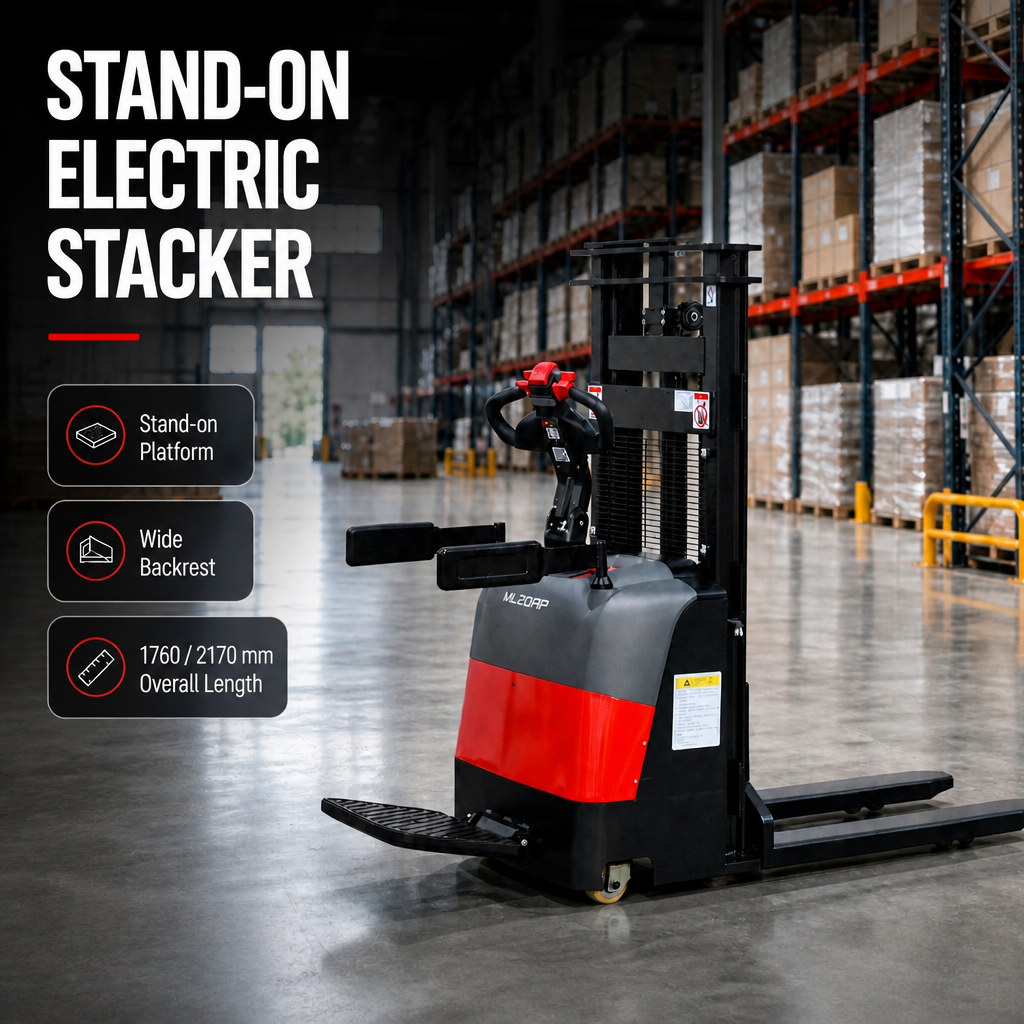
Electric Stacker Truck 2000kg Pallet Stacker Forklift 3410mm Lift for Warehouse Loading Unloading
A 2,000kg electric stacker for loading, unloading and low-to-medium racking. A practical single platform for distributors handling inbound and outbound pallet flows.
View full specifications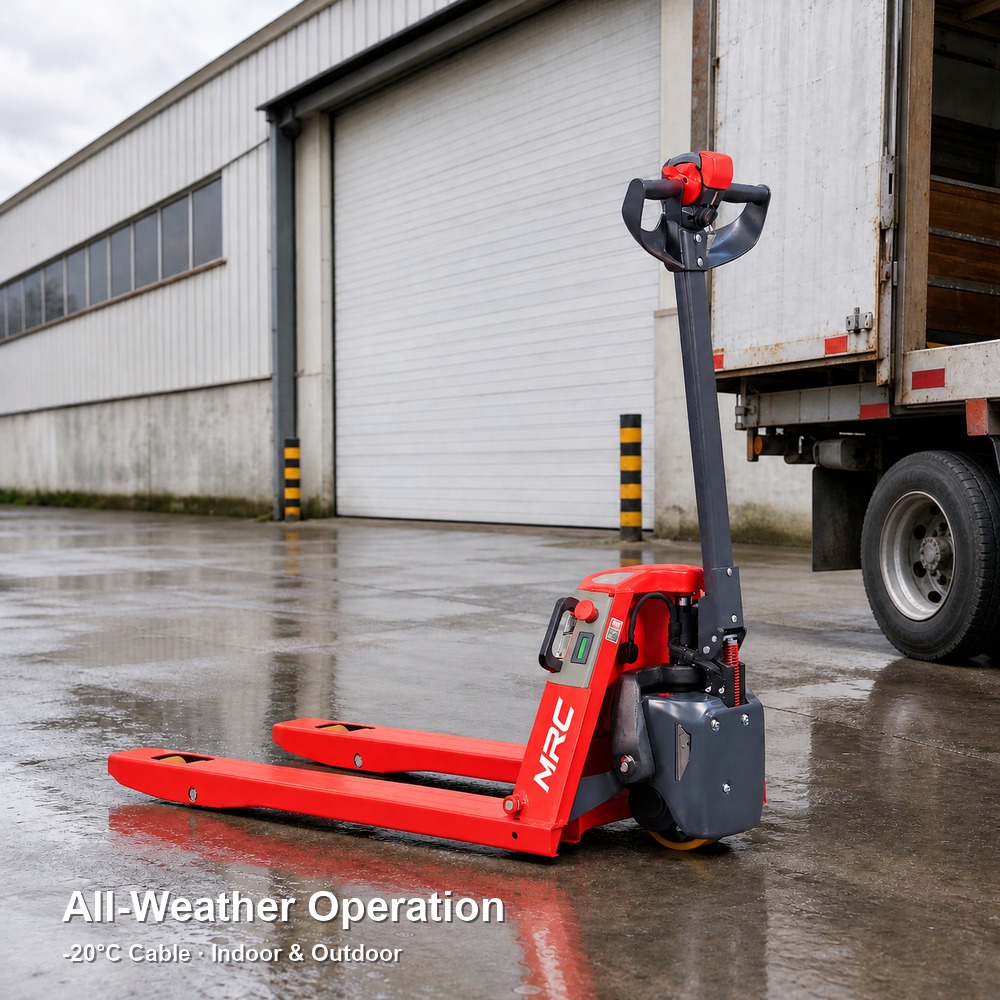
Factory Direct Price Electric Pallet Jack 1500kg 2000kg Battery Powered Walkie Pallet Truck Lithium Pallet Jack
Factory-direct walkie pallet truck in 1,500kg and 2,000kg classes, ideal for price-sensitive dealer programs and mixed-container orders that need dependable core performance.
View full specifications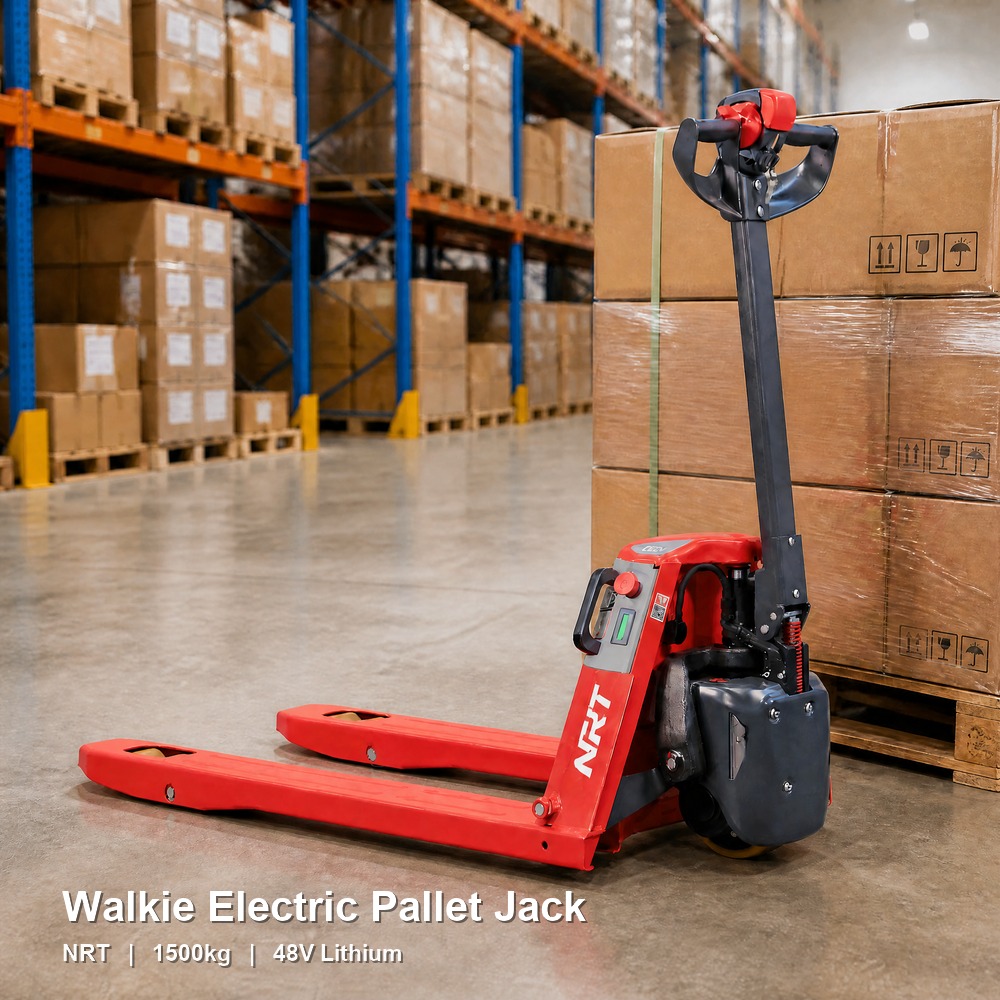
Electric Pallet Jack 1500kg 2000kg Walkie Pallet Truck Battery Powered Lithium Pallet Jack for Warehouse Loading
A flexible 1,500kg to 2,000kg lithium walkie for warehouse loading, trailer transfer and fast-moving SKU replenishment. Suitable for dealers building a compact warehouse equipment range.
View full specifications
2026 New Alternative Convertidor De Palet Jack a Electrico Ultra-Lightweight 107kg Electric Pallet Jack with Lithium Power
An ultra-light 107kg lithium pallet jack designed for last-mile, retail and small-format logistics where vehicle weight, maneuverability and fast deployment matter.
View full specifications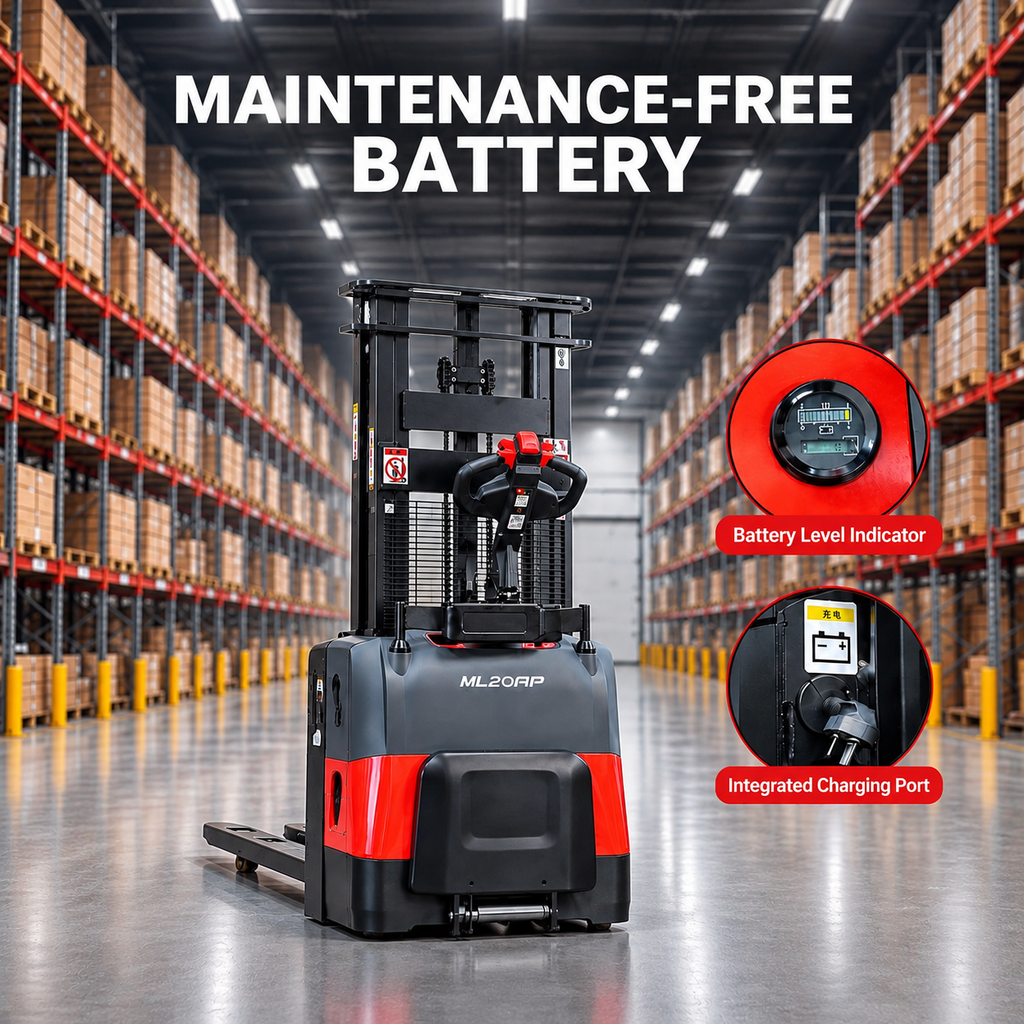
Stacker Forklift Electric 1500kg 2000kg for Retail Backroom Farm Feed Store Pallet Stacking Work
An electric stacker forklift for retail backrooms, farm supply and feed stores. The 1,500kg to 2,000kg class handles repetitive pallet stacking without diesel emissions.
View full specifications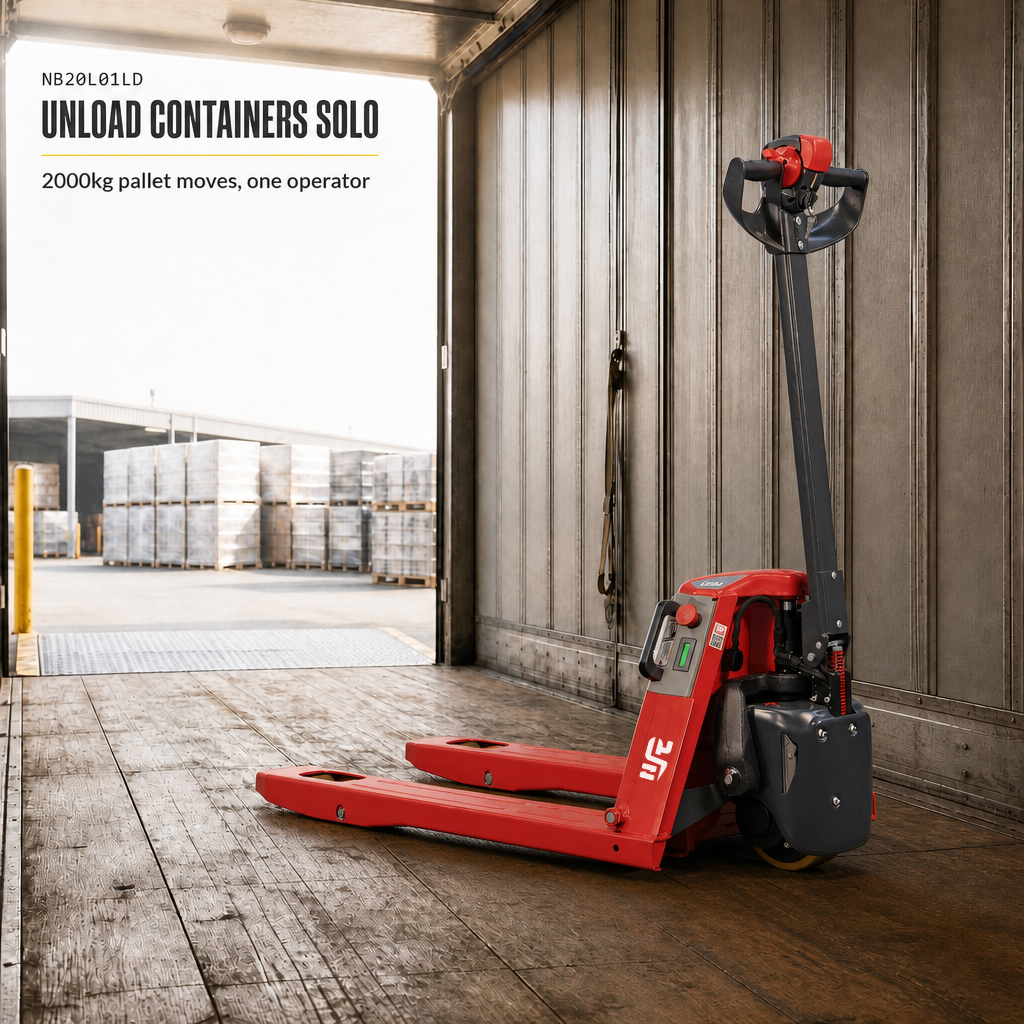
2000kg Electric Pallet Truck Lithium Ion 48V 10Ah Power Jack 1150mm Forks Polyurethane Wheels Container Loading
A 2,000kg lithium-ion pallet truck with 1,150mm forks and polyurethane wheels for container loading, dock transfer and warehouse movement where floor protection matters.
View full specificationsWhat China Manufacturing Depth Means for Electric Pallet Jack Buyers
China’s material handling ecosystem combines motor, controller, battery, hydraulic, casting and electronics suppliers in dense industrial clusters. That creates competitive pricing, but it also creates significant variation in engineering discipline. For wholesale buyers, the real advantage is not the lowest quotation; it is a partner that can lock specifications, test critical systems and repeat the same build quality across containers.
At Pexal, electric pallet jacks are treated as production assets rather than catalogue items. Xiamen Pexal Technology Co., Ltd. is a Xiamen-based sales, service and technical support company working with a 220,000m² partner manufacturing campus employing more than 1,200 people, including over 100 engineers dedicated to electric warehouse equipment. The company has passed an onsite check and supplier assessment by SGS Group, and maintains verifiable trade capacity, transaction history and company video records for buyers conducting due diligence.
Three risks matter most in wholesale sourcing. First, batteries and chargers may be mismatched to actual shift patterns. Second, a low-cost model may use component choices that make spare-parts continuity difficult after the first container. Third, a supplier may quote a generic model without reviewing aisle width, lift height, floor condition and local documentation needs. A credible electric pallet jack manufacturer or exporter should reduce those risks before the order — not explain them after shipment.
Scaled assembly capacity for container orders, dealer stock and repeat configurations.
Production and QC teams supporting repeatable builds across electric warehouse equipment.
Application, electrical and mechanical specialists focused on electric drive platforms.
Western Europe, North America, South America, Eastern Europe and Oceania.
2025–2030 Procurement Trends: What Wholesale Buyers Will Price Into the Next Contract
Procurement is moving away from one-dimensional FOB comparisons. Distributors and fleet operators increasingly evaluate energy strategy, service continuity, documentation quality and the ability to scale a model range without multiplying supplier risk.
Lithium-First Battery Strategy
Buyers are shifting from amp-hour labels to usable energy, charging windows, cycle life and battery management data. Opportunity charging during breaks is becoming a planning requirement in 3PL and retail operations where a spare battery is expensive or inconvenient.
Total Cost per Pallet Move
The lowest acquisition price can lose on cost per pallet move once energy, maintenance, downtime, battery replacement and training are included. Buyers are requesting TCO models, service-level commitments and spare-parts lists before approving a supplier.
Multi-Source Resilience
Dealers increasingly combine pallet trucks, stackers and spare parts in mixed containers to reduce freight intensity. They also qualify a second configuration or component source to protect against battery and controller lead-time shocks without multiplying SKUs.
Compliance & Traceability
Market-specific documentation, serial-number traceability, battery transport information and inspection records are moving from afterthoughts to quotation requirements. Importers need evidence to answer end-user questions on safety, origin and after-sales support.
Product Development Trends: The Next Generation of Electric Pallet Jacks
The next procurement cycle will reward equipment that is easier to deploy, easier to charge and easier to connect to warehouse workflows. The following development themes are already visible in current models and should be written into future supplier roadmaps.
Lightweight Chassis Architecture
Ultra-light models around 107kg reduce trailer weight, improve last-mile deployment and make it easier to move equipment between retail sites. The engineering challenge is removing weight without compromising fork rigidity, braking stability or battery protection.
Modular Lithium & Fast Charging
Battery platforms are becoming modular so one chassis can serve multiple duty cycles. Fast charging, opportunity charging and battery management system data allow fleet managers to compare usable runtime rather than nominal amp hours.
Telematics & Fleet Visibility
Fleet buyers want utilization, fault codes, impact events and battery health in one dashboard. Even entry-level electric pallet jacks are moving toward plug-and-play telematics and service alerts that reduce diagnostic time.
Safety & Ergonomic Engineering
Anti-rollback control, regenerative braking, speed limiting, obstacle awareness and clearer operator interfaces are becoming differentiators. In tight aisles, safety is not only a compliance feature; it protects uptime and reduces damage to racks, goods and equipment.
Which Electric Pallet Jack or Stacker Fits the Task?
Use the matrix below as a shortlist, not a substitute for a specification review. The correct model depends on pallet weight, load centre, aisle width, lift height, floor condition, charging strategy and the operator’s daily route.
| Buyer Scenario | Recommended Model | Why It Fits |
|---|---|---|
| Container unloading and trailer transfer | NB15L01LD 2000kg 48V 15Ah | 1,150mm forks, 2,000kg capacity, lithium power and PU wheels for efficient dock-to-stock movement. |
| Narrow-aisle medium-high racking | ML20AP Stand-on Electric Stacker | 3,410mm max lift with a 1,478mm turning radius and 820mm body width for constrained storage areas. |
| General warehouse loading and unloading | Electric Stacker Truck 2000kg | 2,000kg capacity and 3,410mm lift provide a practical platform for inbound and outbound pallet flows. |
| Price-sensitive dealer program | Factory Direct Price Walkie Pallet Truck | 1,500kg and 2,000kg options support entry-level electric handling with mixed-container flexibility. |
| Fast-moving SKU replenishment | 1500kg–2000kg Lithium Walkie Pallet Jack | Compact lithium walkie configuration for routine warehouse loading and short-distance transfer. |
| Last-mile retail and small-format logistics | Ultra-Lightweight 107kg Electric Pallet Jack | Low vehicle weight and lithium power support quick deployment between stores and space-limited backrooms. |
| Retail backroom and farm feed store | Electric Stacker Forklift 1500kg–2000kg | Repetitive pallet stacking in retail, farm supply and feed-store environments without diesel emissions. |
| Container loading with protected floors | 2000kg 48V 10Ah Lithium Pallet Truck | 1,150mm forks and polyurethane wheels suit container loading and floor-sensitive warehouse transfer. |
A Practical TCO Model: Price the Cost per Pallet Move, Not Just the Jack
Acquisition price is visible; operating cost is cumulative. Use a 36–60 month evaluation window depending on duty cycle. The illustrative weights below are for a single-shift warehouse and should be replaced with your own energy tariff, labour rate, service data and battery strategy.
Illustrative Lifecycle Cost Weights
Three KPIs to Write Into the Quotation
Ask every supplier to state how performance will be measured after shipment. A useful quotation should make assumptions visible, not hide them in specification footnotes.
Model the cost per pallet movement using average daily moves, labour cost per hour, charging time, maintenance spend and downtime cost. This exposes whether a lower-priced pallet jack is truly cheaper over the contract period.
An Export Program Built Around Verification, Customization and Support
Xiamen Pexal Technology Co., Ltd. supplies electric and diesel forklifts, pallet trucks, stackers, reach trucks, order pickers and AGV robotics to distributors and fleet operators. For this electric pallet jack series, our role is to translate warehouse requirements into a repeatable specification, verify it before shipment and support the model after it reaches your market.

What Buyers Can Verify Before Placing a Purchase Order
Trust should be documented. Our public company profile allows buyers to review supplier assessment records, trade capacity, transaction history and a verified company video. That evidence supports the quotation process and reduces the unknowns in cross-border sourcing.
- SGS-assessed supplier with onsite check
- 220,000m² partner manufacturing campus
- OEM, ODM, sample-based and full customization
- Export support for five main regions
SGS-Assessed & Onsite-Checked
Our company has passed a supplier assessment and onsite check conducted by SGS Group, one of the world’s leading inspection and verification companies. Business type, products, markets and capabilities have been reviewed onsite.
01Scaled Partner Manufacturing
A 220,000m² partner campus and a workforce of more than 1,200 people support container orders, recurring dealer stock and product customization without treating every order as a one-off project.
02Engineering Depth
More than 100 engineers focus on electric warehouse equipment, electric drive platforms and product development. This supports model selection, configuration review and practical problem-solving during the quotation stage.
03Customization & ODM Support
We support sample-based customization, full customization and ODM services, including mast height, fork length, battery type, color, logo and attachment configuration. Specifications are confirmed against the target market and application.
04Export Market Familiarity
Main export markets are Western Europe, North America, South America, Eastern Europe and Oceania. We regularly work with dealers, rental companies and end users who need clear documentation and practical export planning.
05Transparent Trade Records
Buyers can review our credit index, trade capacity, transaction level, trade history, transaction history and verified company video. These public signals help procurement teams compare suppliers with fewer assumptions.
06From Xiamen to Your Loading Dock: A Repeatable Process
Wholesale equipment only creates value when it arrives as specified and can be serviced after arrival. Our export workflow focuses on configuration control, pre-shipment testing, packaging and documentation rather than simply moving boxes out of the factory.

Production Planning
Models, battery options, fork dimensions, branding and documentation are locked before production scheduling to reduce configuration drift.
Pre-Shipment QC
Lifting, travel, braking and electrical systems are functionally checked before dispatch, with inspection points matched to the confirmed configuration.
Custom Builds
Mast height, fork length, battery type, color, logo and attachments can be configured for dealer programs and market-specific requirements.
Export Logistics
Flexible Incoterms from EXW to DDP, export packaging and documentation support via Xiamen port for container and mixed-cargo planning.
Where Electric Pallet Jacks Create the Fastest Payback
Electric pallet jacks create the strongest return when they replace repetitive manual handling, reduce trailer turnaround time or eliminate unnecessary forklift deployment for short pallet moves. The following scenarios are common starting points for dealer and fleet discussions.
Warehousing & 3PL
Dock-to-stock transfer, put-away support and replenishment. Choose walkie pallet trucks for horizontal movement and stackers for racking where lift height is required.
E-Commerce Fulfilment
Fast pallet movement between receiving, storage and dispatch zones. Compact models and opportunity charging help maintain throughput during peak periods.
Food & Cold Chain
Zero-emission electric operation supports indoor air quality and low-noise environments in food, beverage and pharmaceutical storage areas.
Retail Backroom & Farm Supply
Retail backrooms, farm feed stores and small distribution sites use compact electric stackers to handle pallet stacking without diesel emissions or complex charging infrastructure.
How to Specify a Wholesale Electric Pallet Jack Before You Request a Quote
A precise inquiry produces a more accurate configuration and a better export quotation. Share the following inputs with any potential China manufacturer or exporter so that the recommendation is based on your operation, not a generic catalogue description.
Define the Load
State maximum pallet weight, pallet type, load centre distance and whether loads are stable, wet or irregular. Confirm whether the rated capacity is required at the actual load centre.
Measure the Site
Record aisle width, top racking level, door height, floor slope, floor condition and turning space. These details determine whether a pallet truck, stacker or other equipment is appropriate.
Set the Duty Cycle
Share hours per shift, shifts per day, average moves per hour and charging windows. Battery type and capacity should be matched to the working pattern, not chosen by habit.
Confirm Market Requirements
Provide destination port, voltage, documentation, labeling and any certification requirements. Compliance and documentation should be discussed before production, not after shipment.
Common Questions About China Wholesale Electric Pallet Jacks
These answers reflect the questions most frequently raised by importers, dealers and fleet managers during the quotation and supplier comparison stages.
Are you a manufacturer or a trading company?
What is the typical MOQ for a wholesale electric pallet jack order?
Should I choose lithium-ion or lead-acid battery power?
Do you offer OEM, ODM and private-label customization?
Which Incoterms, payment methods and currencies do you accept?
Which export markets do you mainly serve?
How do you control quality before shipment?
Has the company been verified by a third party?
How should warranty and spare-parts support be discussed?
Request a Model Shortlist, Mixed-Container Plan and Export Quotation
Send your load weight, aisle width, lift height, duty cycle, destination port and market documentation requirements. Our team will return a configuration table, recommended battery option and export quotation aligned with your selected Incoterms.