What Serious Buyers Look For in a China Top Electric Hydraulic Pallet Jack Supplier
Procurement success is less about one specification sheet and more about matching equipment to the real operating cycle.
Buyers searching for a China top electric hydraulic pallet jack supplier & exporter usually begin with capacity, price and delivery time. Experienced procurement teams go further: they compare hydraulic reliability, battery cycle life, service access, spare-parts availability and how quickly a supplier can answer a technical question. Those details separate a low-cost transaction from a fleet decision that stays profitable after the first month.
An electric hydraulic pallet jack is an integrated system. The hydraulic pump and cylinder lift the load; the drive motor, controller and battery determine travel performance; the chassis, wheels and emergency reverse system influence safety; and the service design determines downtime. A 1,500 kg and a 2,000 kg model can look similar in a photo, yet behave very differently in a 2.2 m aisle, a crowded freight elevator or a dock with a slight ramp.
Xiamen Pexal Technology Co., Ltd. was established in Xiamen, Fujian in 2024 as the sales, service and technical support base for Pexal material handling equipment. We work closely with a 220,000 m² partner manufacturing campus, more than 1,200 employees and over 100 engineers focused on electric warehouse equipment. This gives international buyers a direct commercial and technical channel in Xiamen while retaining access to broad production capacity.
We publish this guide as a due-diligence resource. It covers recommended electric hydraulic pallet jack models, 2026–2030 procurement trends, product development trends, application considerations and the questions importers ask most often. The objective is simple: help buyers source with evidence rather than guesswork. Match the load, the path, the power and the service plan before comparing prices.
A Verified Supply Base in Numbers
Real capability data gives buyers a faster route to due diligence and a more realistic view of lead-time and customization options.
Large-volume assembly capacity supports container orders, dealer stock and project shipments.
Production and quality-control teams support repeat orders and customized configurations.
Engineering focus on electric drive, battery systems, warehouse trucks and handling solutions.
Western Europe, North America, South America, Eastern Europe and Oceania.
Recommended Electric Hydraulic Pallet Jacks and Warehouse Trucks
These models cover the most common buyer intents, from general warehouse transport to ultra-slim elevator handling and quick-service fleet maintenance.
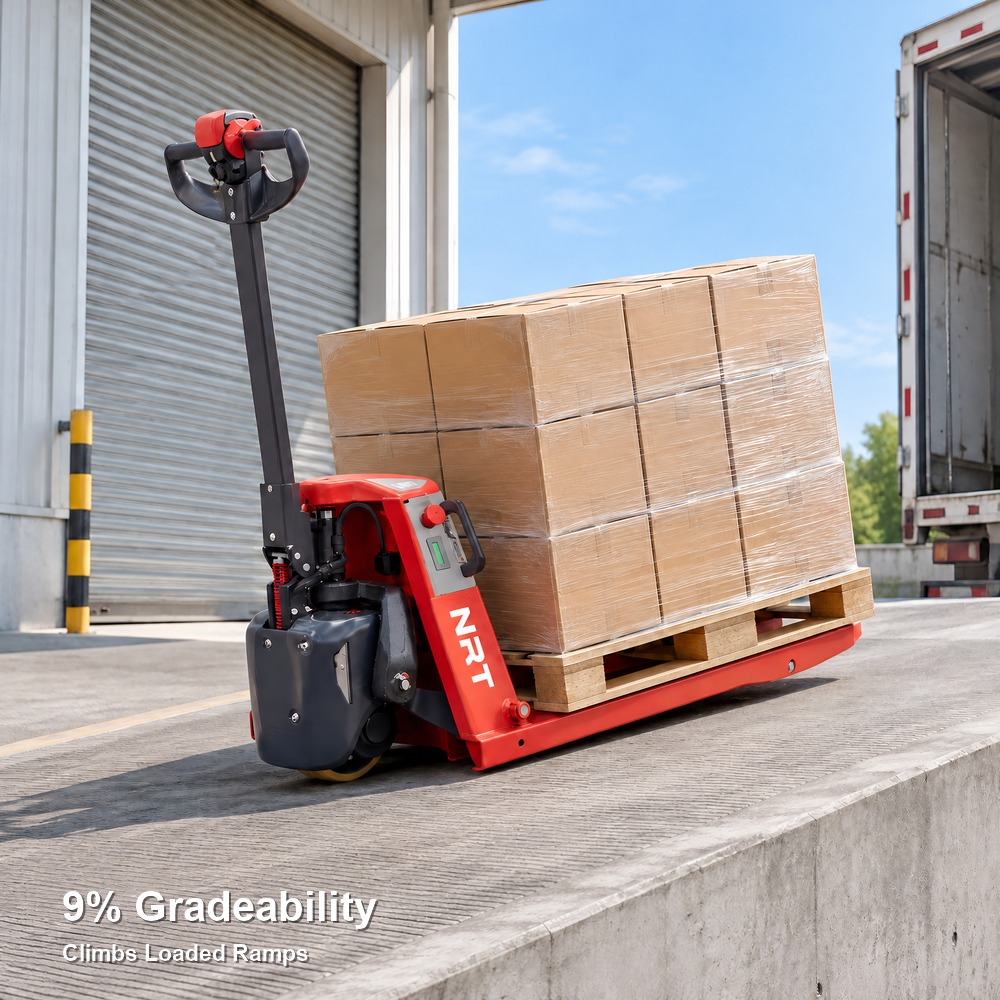
Lithium Battery Electric Pallet Jack Truck 1500kg 2000kg Walkie Pallet Jack Electric Forklift Alternative for Warehouse
A practical first choice for warehouses moving mixed pallets from dock to storage. The 1,500–2,000 kg walkie format combines lithium power, zero local emissions and a compact footprint. Ask for a duty-cycle test and confirm charger voltage before ordering.
View model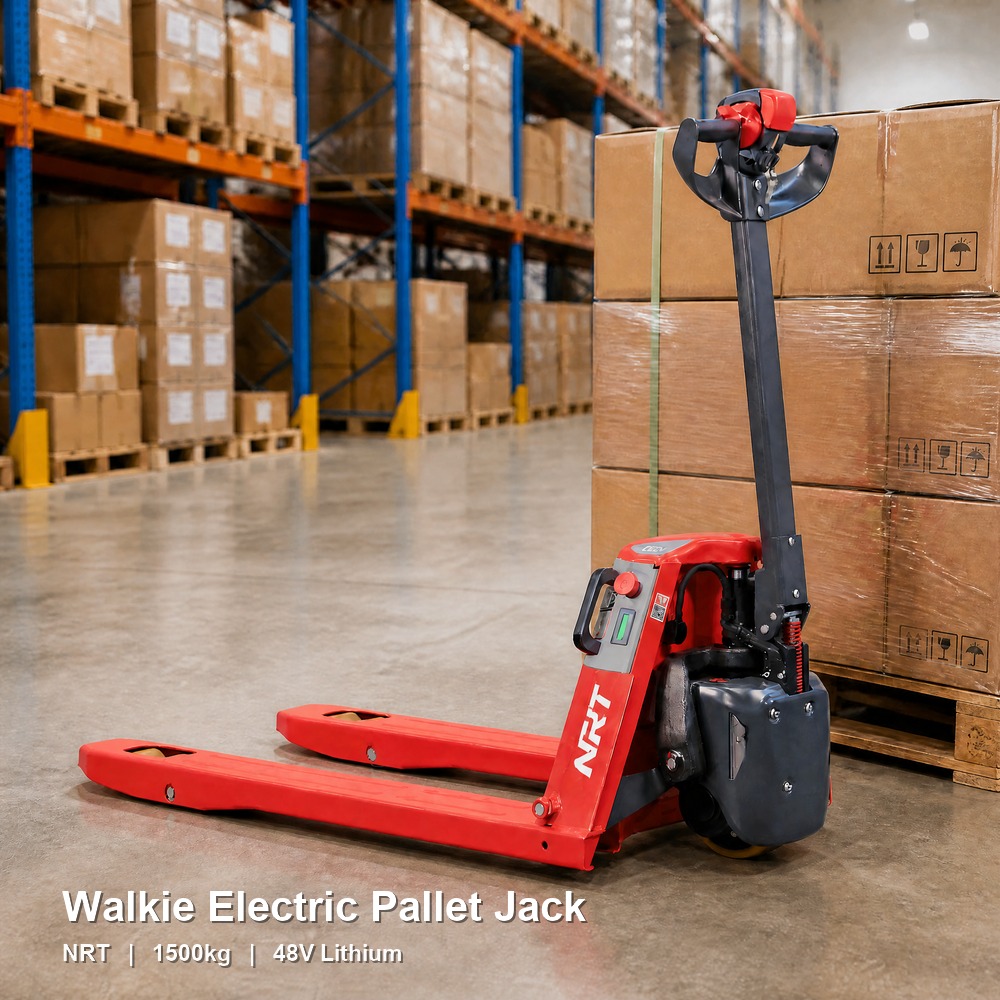
Electric Pallet Jack 1500kg 2000kg Walkie Pallet Truck Battery Powered Lithium Pallet Jack for Warehouse Loading
A balanced specification for warehouse loading, trailer work and horizontal transport. The lithium battery platform and compact turning envelope suit 3PL receiving, e-commerce fulfilment and distribution centers that need dependable daily pallet movement.
View model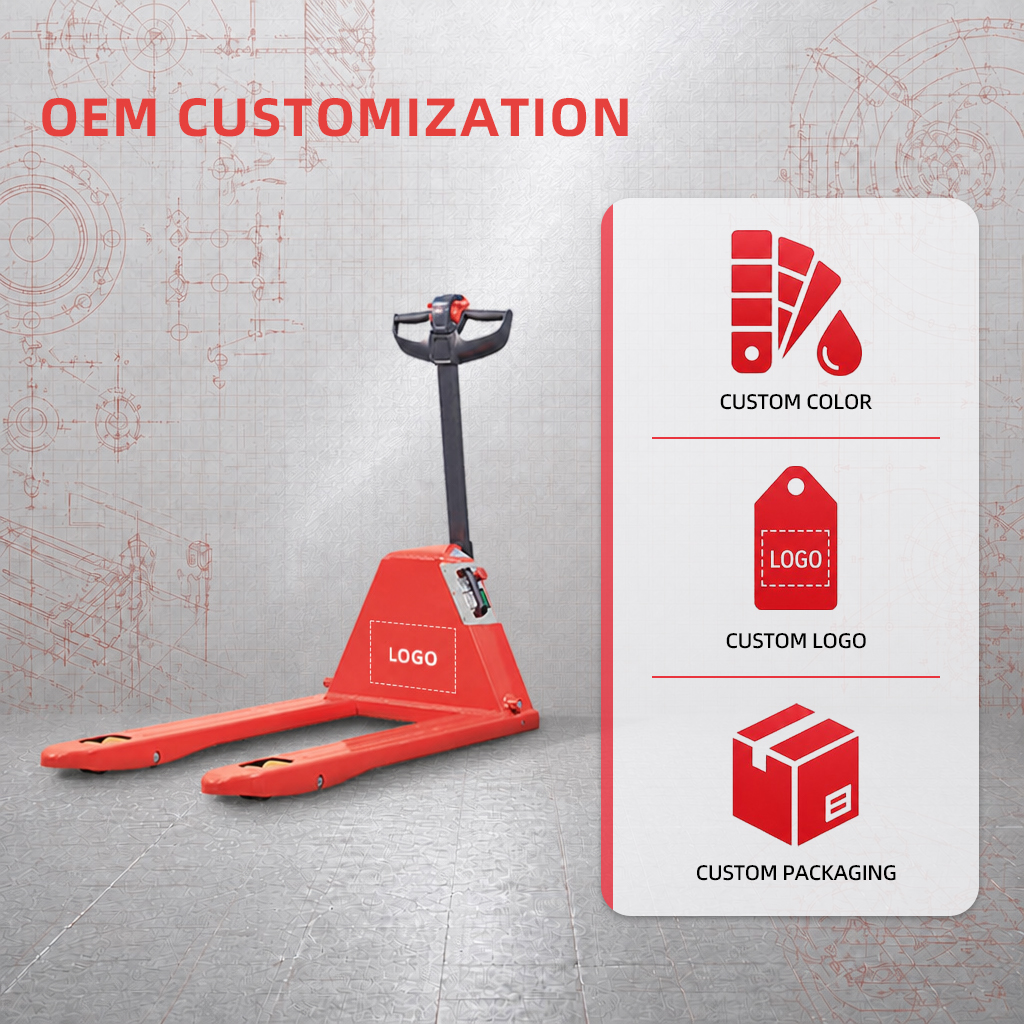
Efficient 2 Ton Electric Pallet Jack 2000kg Capacity: Best Material Handling Solution for Logistics Centers 2026 Hot Sale
Designed for logistics centers moving dense pallet flows. The 2,000 kg capacity class is often preferred for mixed loads, loading docks and repetitive handling. Confirm floor condition, ramp gradient and wheel selection to protect long-term efficiency.
View model
2026 New Alternative Convertidor De Palet Jack a Electrico Ultra-Lightweight 107kg Electric Pallet Jack with Lithium Power
The 107 kg ultra-light electric pallet jack is aimed at delivery vans, elevators, small retail floors and urban warehouses where vehicle weight and floor loading matter. It offers a flexible step up from manual handling without the footprint of larger equipment.
View model
Stand on Electric Stacker 2000kg for Narrow Aisle Warehouse Loading Dock Building Material Shop Pallet Handling
A 2,000 kg stand-on electric stacker for narrow aisles, loading docks and building-material handling. The stand-on platform can improve travel efficiency over longer routes, while the stacker format supports pallet lifting, placement and replenishment.
View model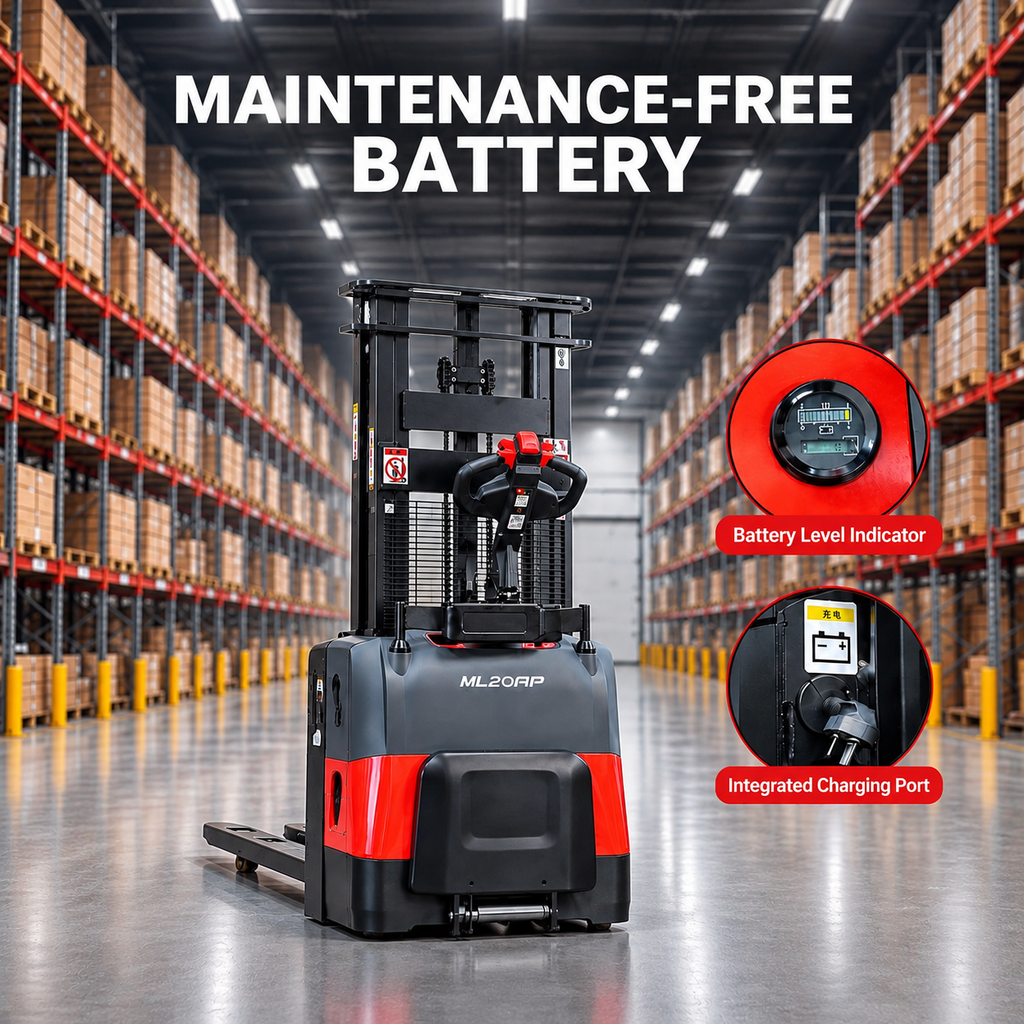
Stacker Forklift Electric 1500kg 2000kg for Retail Backroom Farm Feed Store Pallet Stacking Work
This electric stacker family fits retail backrooms, farm supply stores and feed stores that need pallet stacking rather than only horizontal transport. The mast and compact body support repeated lifting in space-limited storage areas, with lower maintenance than manual alternatives.
View model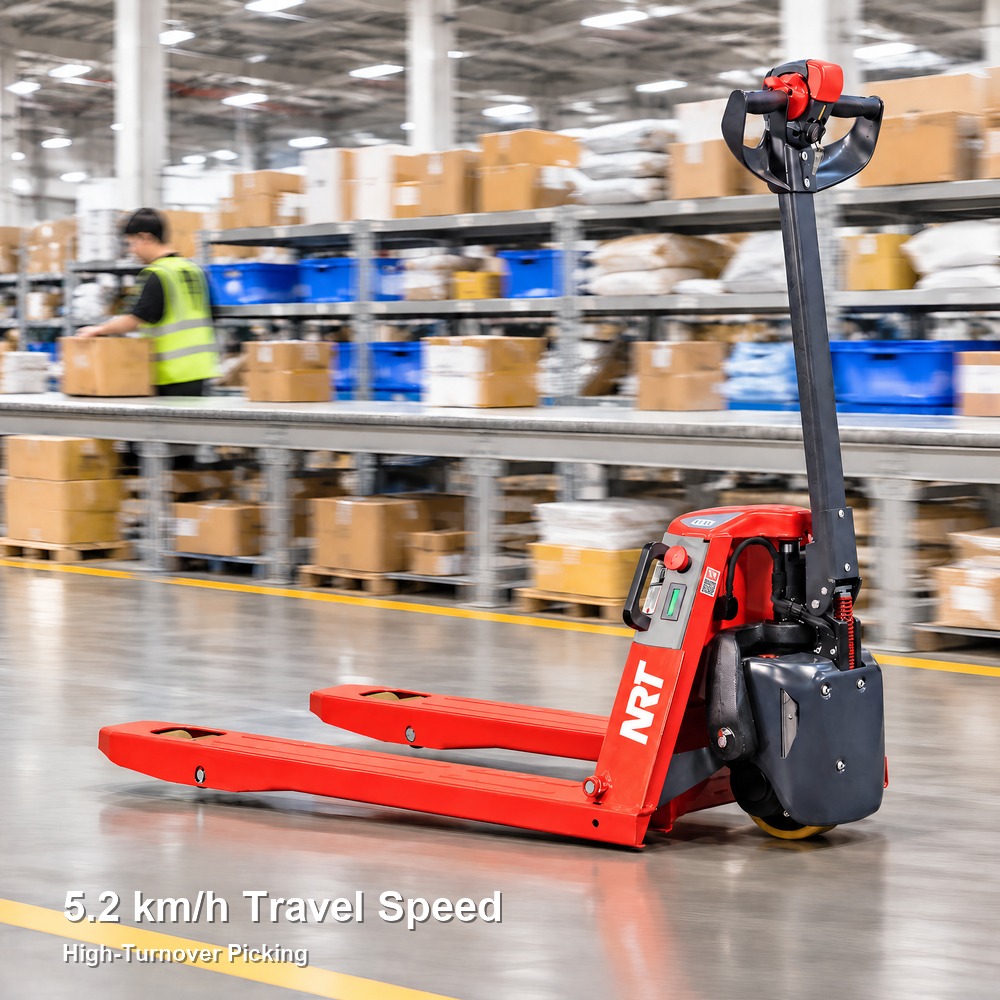
Electric Pallet Jack with Quick Release Drive Wheel 1Min Service 48V Lithium Walkie Pallet Truck 2000kg Capacity
For rental fleets and busy warehouses, maintenance speed is part of the purchase decision. The quick-release drive wheel design supports faster service access, while the 48V lithium platform and 2,000 kg capacity suit demanding daily pallet handling.
View model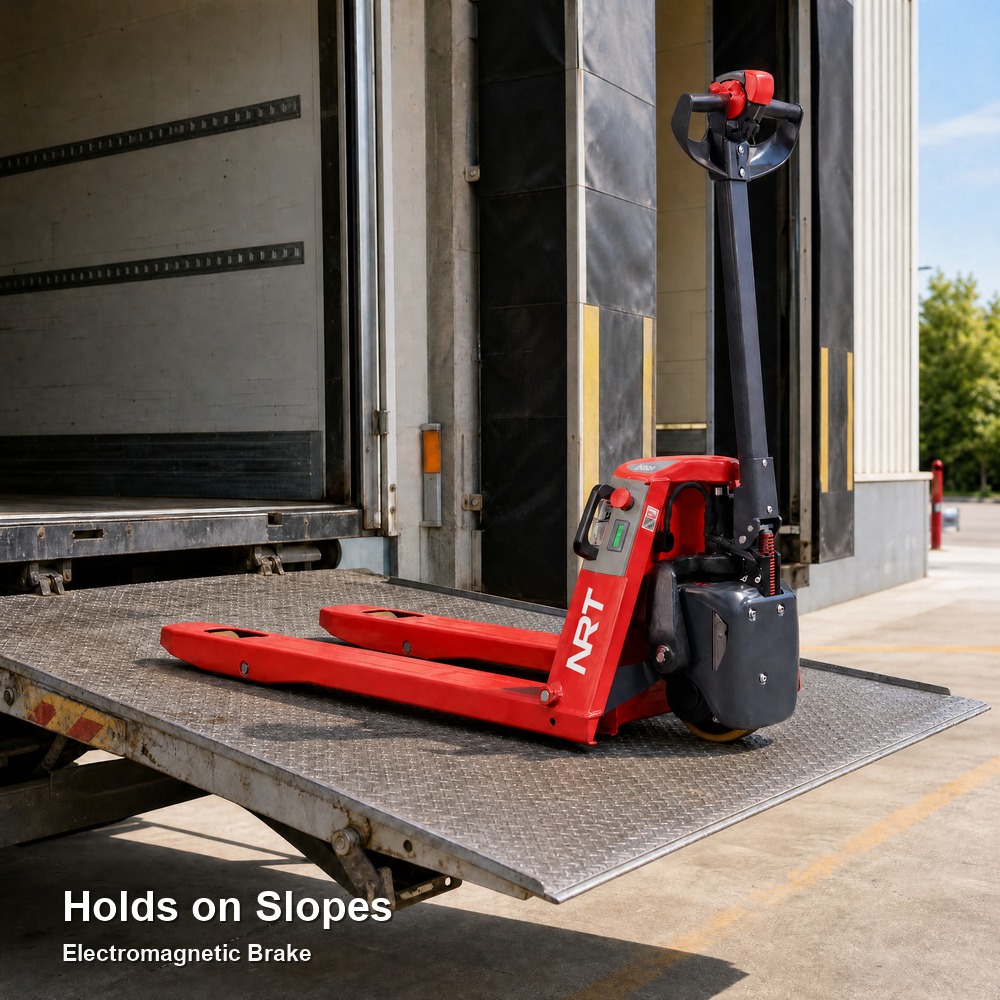
Electric Pallet Jack 1500kg 300mm Slim Body Walkie Pallet Truck for Elevator Freight Box Narrow Aisle Handling
A slim body option for elevators, freight boxes, narrow aisles and urban retail replenishment. The 1,500 kg capacity and 300 mm slim body concept help in tight entry points, but buyers should still verify elevator opening, door height, floor rating and ramp approach.
View model
Why Pexal Is a Practical Partner for Global Pallet Jack Procurement
Pexal is not presented as an anonymous marketplace listing. Xiamen Pexal Technology Co., Ltd. was founded in Xiamen, Fujian in 2024 as a sales, service and technical support base for material handling equipment. Our company has passed an onsite check and a supplier assessment conducted by SGS Group, and buyers can review our assessment, credit index, trade capacity and transaction records during due diligence.
Our range is deliberately broad: electric forklifts, electric pallet trucks, electric stackers, reach trucks, order pickers and AGV robotics. For distributors, this reduces supplier count and simplifies spare-parts planning. For fleet owners, it creates a practical route to standardized controls, training and service expectations across multiple warehouse tasks.
Customization is part of the procurement process, not an afterthought. We offer sample-based customization, full customization and ODM services, including mast height, fork length, battery type, voltage and charger configuration, color, logo and attachment details. Our export team also supports FOB, CFR, CIF, EXW, FCA, CPT, CIP and DDP terms, with payment options such as T/T, L/C, D/P, D/A, Western Union, PayPal, credit card and escrow where applicable.
- SGS-assessed supplier with onsite check
- 220,000 m² partner manufacturing campus
- 1,200+ employees and 100+ engineers
- Sample, full and ODM customization
- Export documentation and Incoterm flexibility
- Spare-parts planning and remote technical support
Procurement Trends Buyers Will Expect from a China Exporter
Pallet jack sourcing is moving from price comparison to risk-adjusted comparison. These six trends are already visible in dealer and fleet enquiries.
Total Cost of Ownership Becomes the Buying Language
Energy consumption, battery cycle life, wheel wear, service hours, parts availability and resale support are entering procurement scorecards. A lower purchase price can be erased by unplanned downtime in a multi-shift 3PL site.
Lithium Standardization and Charger Compatibility
Buyers increasingly request 48V lithium configurations, opportunity charging, BMS protection and charger compatibility with destination voltage. Battery documentation, charge profile and spare-charger planning matter as much as capacity.
Modular Mixed-Container Procurement
Distributors prefer to consolidate pallet jacks, stackers, chargers and spare parts. A supplier with multiple load classes and quick customization reduces supplier count and improves inventory planning across several SKUs.
Evidence-Based Supplier Verification
SGS assessment reports, onsite checks, company video, trade history and pre-shipment inspection are becoming practical filters. Buyers want to confirm that the exporter can document capability, not simply quote a price.
Serviceability and Regional Spare-Parts Planning
Drive wheels, controllers, hydraulic pumps, batteries and switches should be easy to identify and replace. Quick-release designs and clear parts lists reduce service time for rental fleets and independent dealers.
Safety and Compliance Documentation
Emergency reverse, speed limiting, braking, load charts, labels, manuals and plug standards must be reviewed before shipment. Regional requirements should be confirmed during configuration, not after the container is loaded.
Product Development Trends in Electric Hydraulic Pallet Jacks
The next generation of electric pallet jacks is shaped by energy density, urban logistics and service economics, not cosmetic changes.
Higher Energy Density and Opportunity Charging
Lithium packs and smarter BMS platforms allow top-up charging during breaks. For multi-shift warehouses, the procurement question shifts from “hours per charge” to “minutes available to charge” and “battery data visibility.”
Weight Reduction for Floor Loading and Urban Delivery
Models such as the 107 kg ultra-light electric pallet jack make it easier to move between vans, elevators and retail floors. Lower weight can reduce floor-load concerns and improve last-mile deployment flexibility.
Slim Chassis for Elevators and Freight Boxes
The 1500 kg 300 mm slim body pallet truck reflects demand from urban warehouses, small retail and elevator-based deliveries. Narrow chassis design helps, but the complete turning envelope must still be checked.
Serviceability by Design
Quick-release drive wheels and accessible hydraulic components reduce maintenance time. Fast service is especially valuable for rental fleets, where downtime has a direct revenue cost and service records influence resale value.
Smart Safety and Fleet Visibility
Telematics, speed limits, slope alarms, battery management and diagnostic ports are moving from premium options to practical dealer requirements. Fleet buyers increasingly ask how service data can be captured and acted on.
Automation-Ready Material Handling
AGV forklifts and semi-automated pallet flows do not replace every pallet jack, but they change how fleets are planned. Buyers increasingly ask whether equipment data can support future automation and digital logistics.
How to Specify the Right Electric Hydraulic Pallet Jack
A model is correct only when matched to load, path, power and service. Use this table to shortlist equipment before requesting a quotation.
| Site situation | Recommended model family | Why it fits | Data to confirm |
|---|---|---|---|
| General warehouse horizontal transport | 1,500–2,000 kg lithium pallet jack | Balanced speed, compact turning and zero local emissions | Max load, load center, aisle width, charger voltage |
| Small retail, elevators, freight boxes | 1500 kg 300 mm slim body pallet truck | Narrow chassis for confined entry and tight turns | Elevator opening, door height, floor rating, ramp angle |
| Van delivery and light urban loads | 107 kg ultra-light lithium pallet jack | Lower weight, easy loading and flexible deployment | Vehicle ramp, daily distance, battery swap plan |
| Low-to-medium racking | 1,500–2,000 kg electric pallet stacker | Lifting and stacking rather than horizontal transport alone | Lift height, mast type, overhead clearance, load center |
| Narrow aisle with stand-on operation | 2,000 kg stand-on electric stacker | Higher throughput with an operator platform | Aisle width, platform safety, operator training |
| High-use fleet with maintenance priority | Quick-release 48V lithium pallet truck | Faster drive-wheel service and reduced downtime | Parts kit, service interval, local support, BMS diagnostics |
Use the Pexal Four-Point Fit Check
Load
Record maximum pallet weight, load center, pallet type, attachment needs and whether loads are stable or awkward.
Path
Measure aisle width, elevator opening, door height, ramp angle, floor condition and turning clearance.
Power
Confirm voltage, charger type, shift hours, charging window, battery preference and spare-battery strategy.
Service
Plan spare wheels, controllers, hydraulic parts, manuals, training and technical support access.
Frequently Asked Questions from Importers and Fleet Buyers
These answers reflect the information buyers ask for during technical review, quotation and pre-shipment confirmation.
What is the difference between an electric hydraulic pallet jack and a pallet stacker?
Which capacity should I choose: 1,500 kg or 2,000 kg?
How long does the lithium battery last, and how should it be charged?
Can you customize voltage, charger, forks, color, logo and attachments?
Which Incoterms, payment methods and currencies do you accept?
How do you control quality before shipment?
What is the typical ordering and shipping process?
Which markets do you export to, and what support is available?
Request a Configuration and Quotation
Share your load, aisle width, lift height, floor condition, shift hours, voltage and destination market. Our team will recommend a suitable electric hydraulic pallet jack or stacker and prepare a clear quotation. Email: info@pexalbot.com
Contact Us