China Best High Lift Stacker Manufacturers & Factories
A procurement-grade guide to electric high lift stackers, lithium-powered warehouse trucks, factory verification, total cost of ownership, and the future of intelligent material handling sourcing.
SGS-assessed supplierOEM / ODM ready5 export regionsFactory-direct support
Recommended product configurations
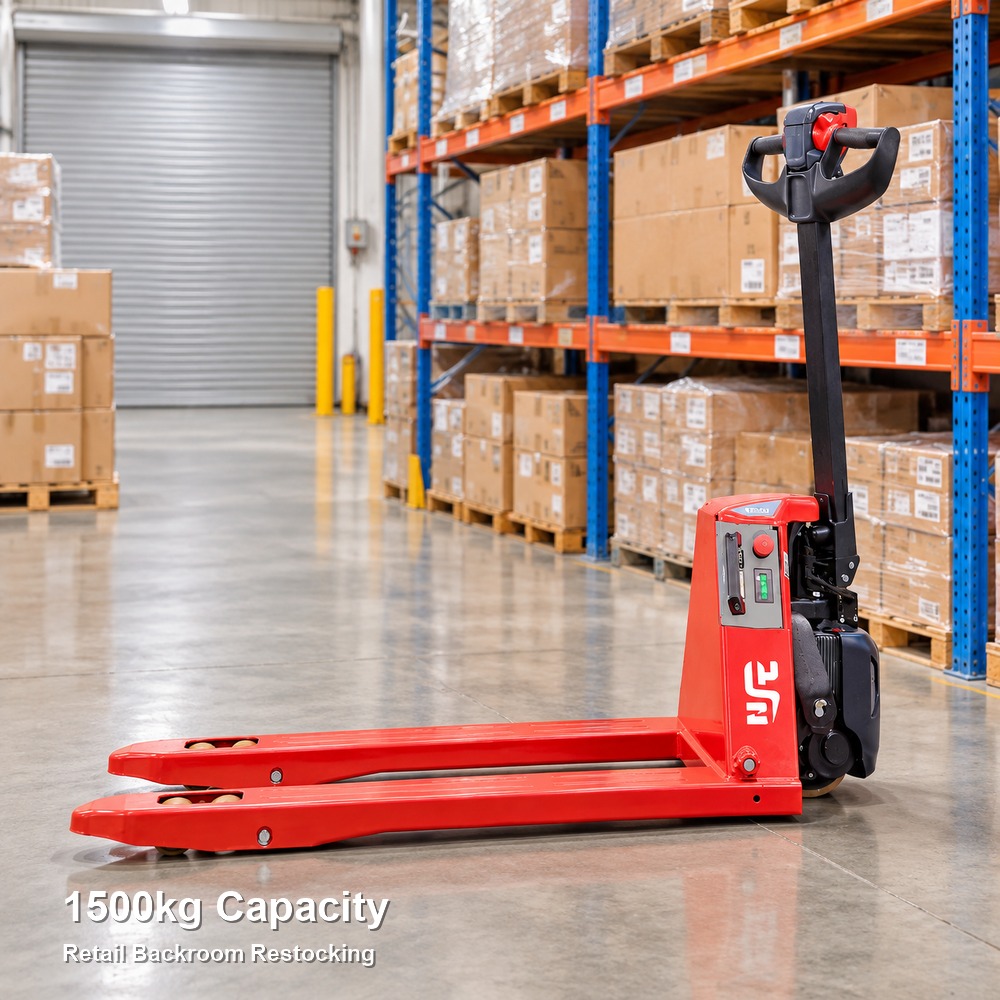
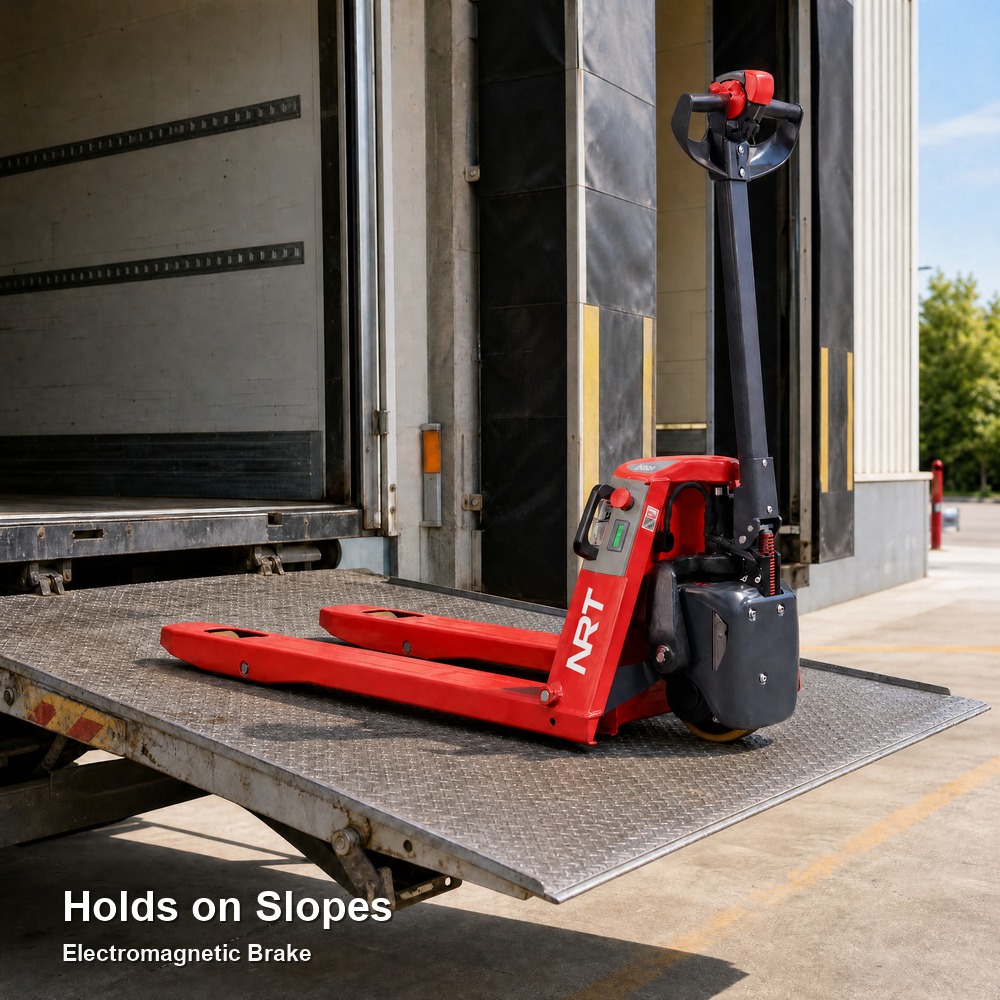
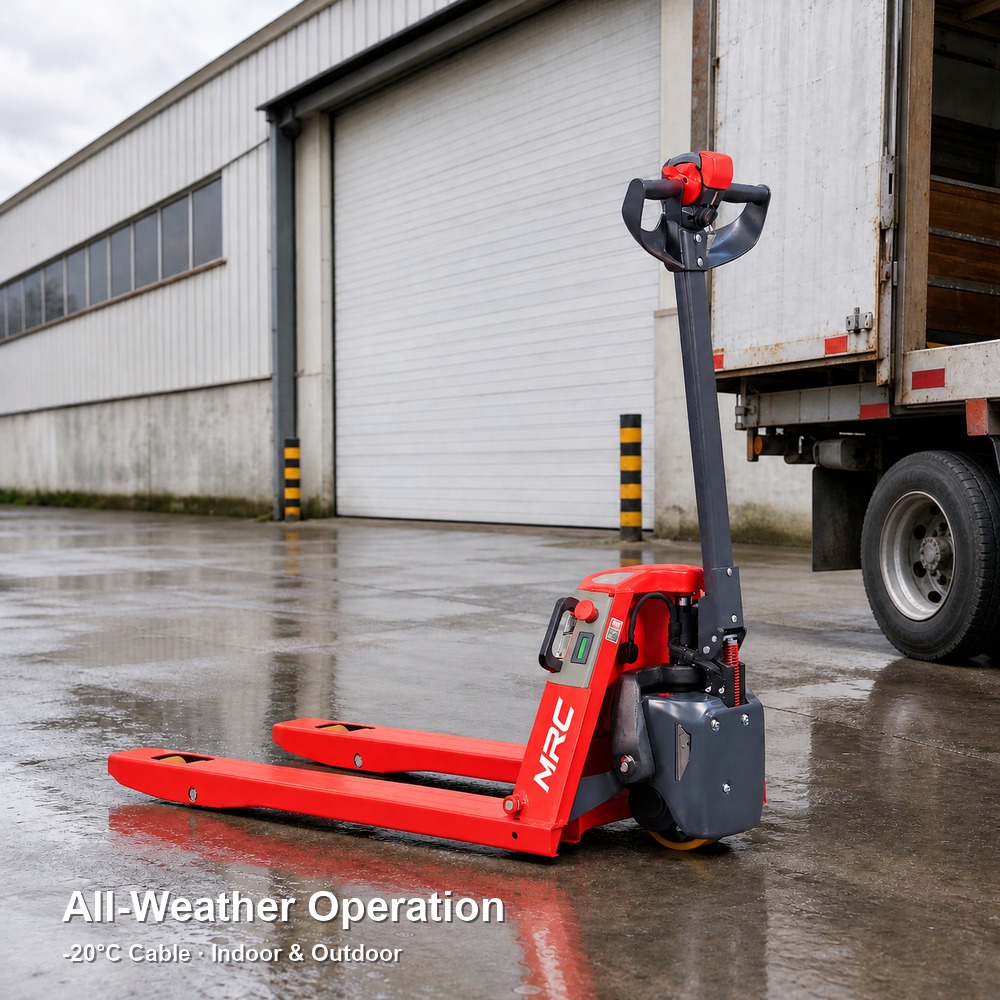
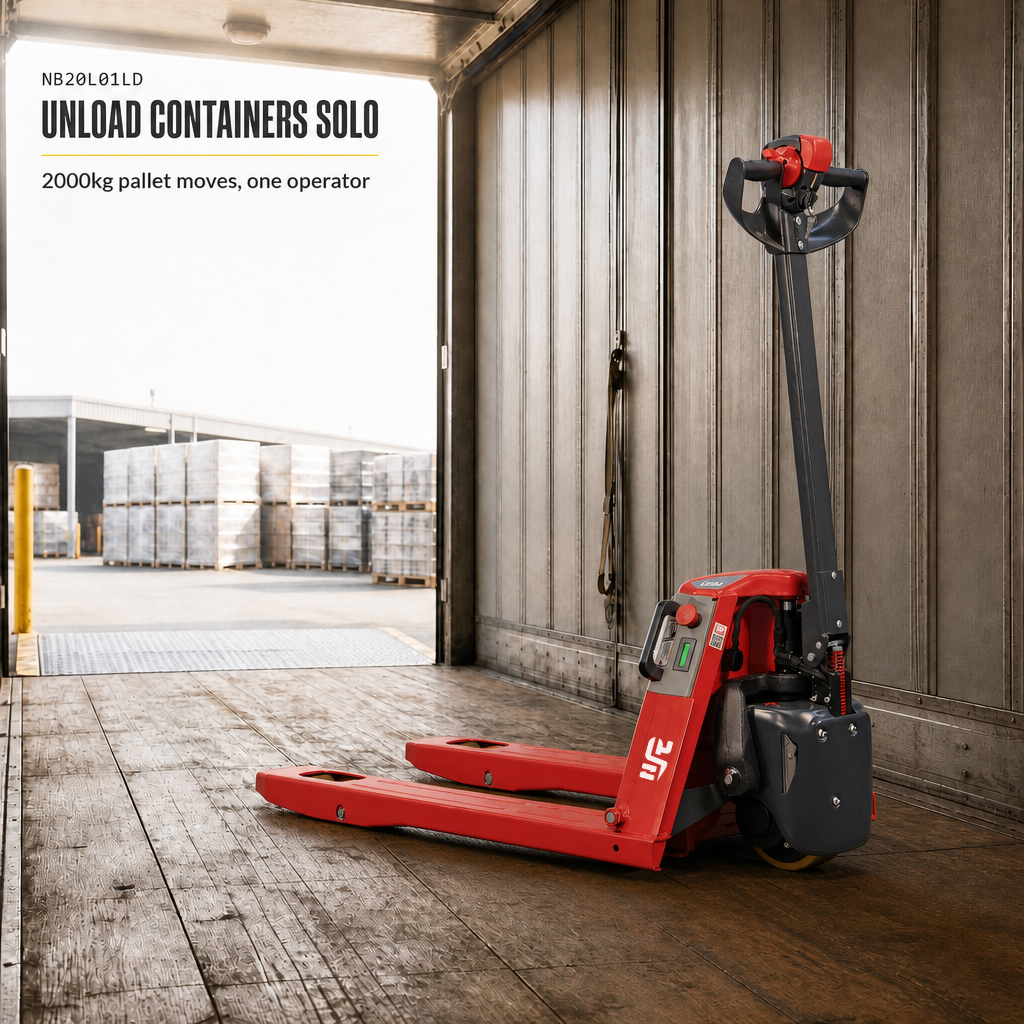
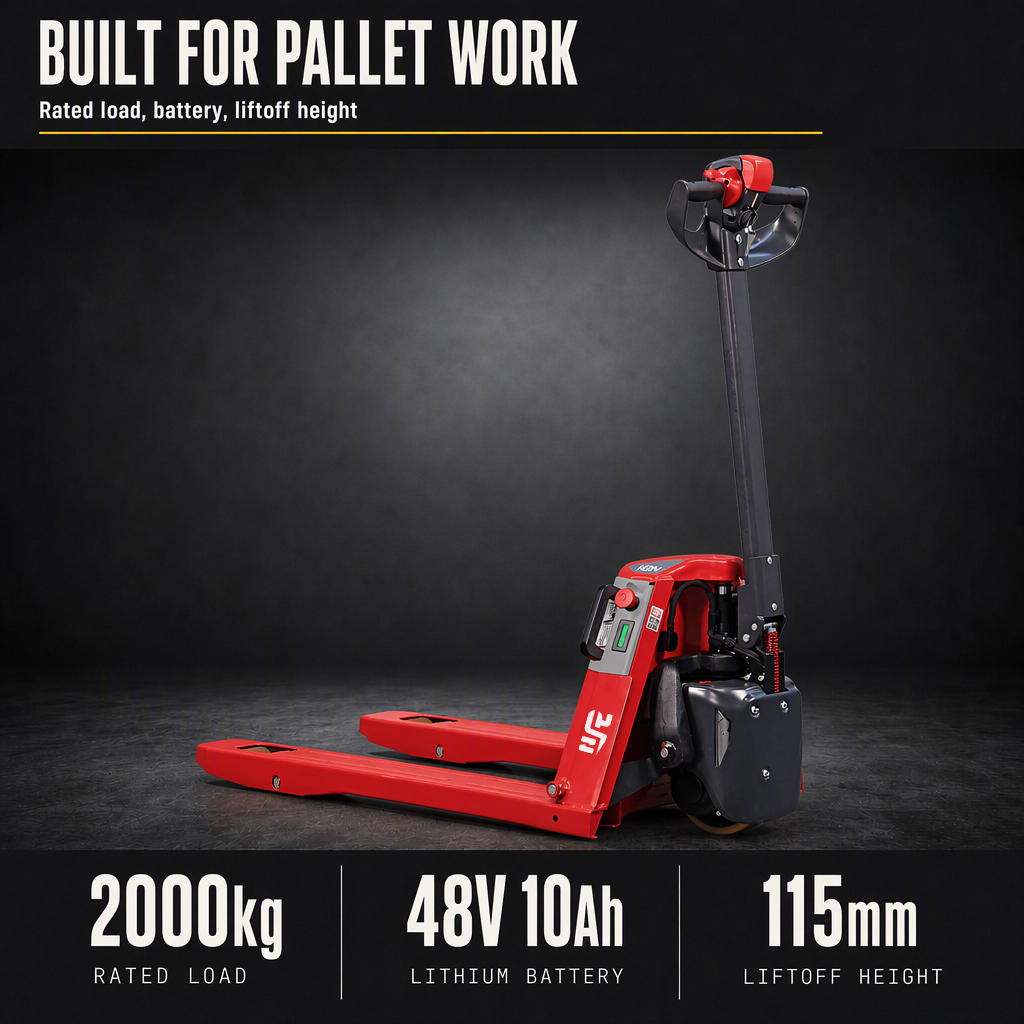
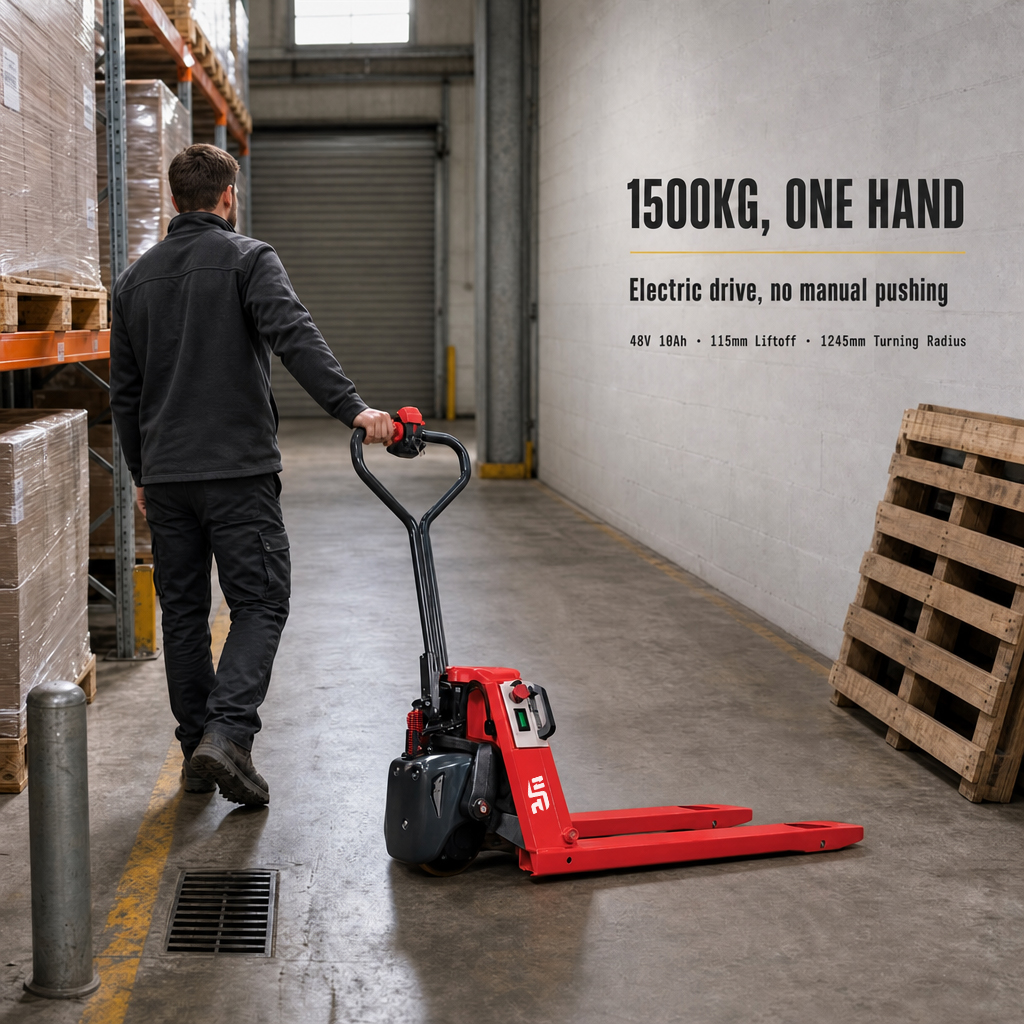
8 Electric Warehouse Trucks for High Lift Stacker Projects
High lift stacker procurement rarely stands alone. Buyers usually specify pallet trucks, walkie trucks, cold-store units, and narrow-aisle models in the same purchasing cycle. The eight models below are relevant, production-ready configurations for distributors, warehouses, rental fleets, and project buyers.
How Global Buyers Should Read China’s High Lift Stacker Supply Market
China is not a single market for high lift stackers. It is a layered supply base of component suppliers, assemblers, OEM factories, and export-oriented material handling specialists. The difference between a low-cost quote and a reliable factory partnership is usually visible in engineering discipline, verification records, battery integration capability, and after-sales preparation.
A high lift stacker is a warehouse truck designed to lift and position pallets at height, often in racking, production line feeding, or confined storage areas. Best-in-class buyers do not compare only lifting capacity. They compare residual capacity at maximum lift height, mast rigidity, battery cycle life, aisle compatibility, service access, and the supplier’s ability to document customization clearly.
220,000 m²Partner manufacturing baseScaled production campus for material handling equipment
1,200+Skilled workforceProduction, quality control and operations teams
100+R&D engineersElectric drive and warehouse equipment specialists
5Main export regionsWestern Europe, North America, South America, Eastern Europe, Oceania
Enterprise advantage
What Makes Pexal a Reliable China High Lift Stacker Supplier?
Xiamen Pexal Technology Co., Ltd. is the sales, service and technical support base for Pexal material handling equipment in Xiamen, Fujian. We work with a 220,000 m² partner manufacturing campus and a team of more than 1,200 people, including over 100 engineers focused on electric warehouse equipment. This structure gives global dealers access to factory-level customization without losing responsive export communication.
Our product scope covers electric forklifts, electric pallet trucks, electric pallet stackers, reach trucks, order pickers, and automated guided forklifts. For high lift stacker projects, that means we can discuss the complete handling flow: receiving, horizontal transport, lifting, racking, container loading, and future automation. Buyers receive practical support on mast height, fork length, battery type, voltage, color, logo and attachment configuration.
High Lift Stacker Selection: The Variables That Decide Long-Term ROI
Procurement teams often start with capacity and price. Experienced buyers start with the load center, maximum lift height, aisle width, duty cycle, floor condition, and battery charging profile. The matrix below helps shortlist equipment before a factory quotation is requested.
High lift stacker and warehouse truck selection matrix
Equipment category
Best-fit application
Specification to verify
Procurement risk if ignored
Walkie high lift stacker
Retail backrooms, small warehouses, line feeding
Lift height, leg opening, mast type, battery capacity
Poor pallet access or insufficient daily runtime
Straddle stacker
Open-bottom pallets, medium-height racking
Straddle width, load center, aisle clearance
Cannot reach pallet feet or racking safely
Counterbalanced stacker
Closed pallets, denser storage, mixed loads
Residual capacity at height, wheelbase, footprint
Stability loss or excessive aisle width requirement
Electric pallet truck
Dock handling, horizontal transport, container loading
Fork length, width, wheel material, lithium system
Inefficient turning, floor marking, or battery downtime
Information gain for buyers: request residual capacity charts, battery discharge curves, and a written confirmation of lift height at the actual load center. A high lift stacker quote without these documents is incomplete.
Battery energy & charging
28%
Downtime & lost labor
22%
Maintenance & spares
18%
Initial purchase
20%
Training & safety
12%
Indicative five-year ownership profile
Energy, downtime and maintenance together often outweigh the initial purchase price in high-frequency warehouse operations. Lithium battery configuration, opportunity charging, and spare-parts availability are therefore not “extras”; they are core evaluation criteria.
For distributors, the best procurement decision is usually the model with predictable service intervals, documented battery performance, and a clear parts list. For end users, it is the model that keeps pallets moving without creating new aisle bottlenecks or charging constraints.
What the Next Generation of High Lift Stackers Will Look Like
The next buying cycle will reward factories that can combine mechanical robustness with battery intelligence, safety electronics, and service-friendly architecture. Price alone will become a weaker signal of long-term value.
Modular lithium architecture
Swappable battery modules and opportunity charging reduce charging-room dependency and allow fleets to match runtime to real shift patterns.
Safety sensors as standard
Speed limiting, anti-rollback, operator presence detection, and load-height monitoring are moving from premium options into mainstream stacker design.
Higher residual capacity
High-strength mast profiles and optimized counterbalance geometry improve lifting stability at height without increasing the machine footprint.
Telematics-ready control
Digital fault codes, usage logs and battery health data help distributors provide remote diagnostics and preventive maintenance contracts.
Automation-compatible design
Standardized interfaces and predictable steering behavior make it easier to integrate stackers with AGV kits or semi-automated warehouse flows.
Cold-store and food-grade options
Low-temperature batteries, sealed connectors, anti-corrosion finishes and washdown-friendly surfaces expand stacker use into cold-chain and food operations.
Future procurement trends
How Global Buyers Will Source High Lift Stackers Next
Procurement is shifting from transactional price comparison to supply-chain risk management. The following trends are especially relevant for distributors, rental companies, and multi-site end users preparing annual purchasing plans.
Total cost of ownership
Buyers will compare five-year energy, downtime, maintenance and resale value rather than the lowest FOB quotation.
Mixed-container sourcing
Distributors will combine high lift stackers, pallet trucks and spare parts in one shipment to optimize freight and inventory.
Local service visibility
Factories must show how spare parts, technical videos and remote diagnostics will support dealers after the container arrives.
Digital verification
SGS reports, onsite-check records, verified videos and documented product tests will become standard RFQ attachments.
Compliance-first buying
Voltage, charger compatibility, safety labels, documentation and destination-market requirements will be checked earlier in the process.
ESG and safety reporting
Zero-emission handling, noise reduction, battery recycling plans and operator safety will influence supplier selection.
Sourcing framework
From RFQ to Commissioning: A Practical 6-Step Process
A disciplined sourcing process reduces rework, protects project timelines, and gives both buyer and factory a clear basis for customization.
01
Define the handling task
Record pallet type, load weight, load center, lift height, aisle width and floor condition before contacting suppliers.
02
Shortlist the configuration
Decide whether a walkie stacker, straddle stacker, counterbalanced stacker, pallet truck or reach truck fits the flow.
Frequently Asked Questions About China High Lift Stacker Manufacturers
Straight answers for importers, distributors, rental fleets and warehouse project buyers evaluating Chinese suppliers.
What is a high lift stacker, and how is it different from a pallet truck?
A high lift stacker is designed to lift pallets to a working height for racking, line feeding or stacking. A pallet truck is primarily for horizontal transport and usually lifts only enough to clear the floor. If your process requires placing loads at height, check the stacker’s rated capacity at the required lift height and load center, not just its nominal capacity on the ground.
How do I choose the right lift height and capacity?
Start with the highest racking level you need to service, then add a safe clearance margin. Confirm the load center distance of your heaviest daily pallet. A 1,500kg stacker may have a lower residual capacity at maximum lift height than at ground level. Ask the factory for a residual capacity chart and match it to your actual loads.
Do you offer OEM, ODM and customized high lift stackers?
Yes. Pexal supports sample-based customization, full customization and ODM services. Typical customization includes mast height, fork length, fork width, battery type, charger voltage, color, logo, labels, and attachment configuration. Clear drawings and written specifications should be approved before production.
What battery options are available for warehouse stackers and pallet trucks?
Lithium-ion and lead-acid configurations are available by model. Lithium power is often preferred for opportunity charging, lower maintenance and stable low-temperature performance in cold-store applications. Buyers should confirm charger input voltage, plug type, charging time, battery cycle life and spare battery availability for their market.
Which Incoterms and payment methods do you accept?
Common delivery terms include FOB, CFR, CIF, EXW, FCA, CPT, CIP, DDP and related options. Payment can be discussed through T/T, L/C, D/P, D/A, Western Union, PayPal, credit card and escrow. Accepted currencies include USD, EUR, GBP, JPY, CAD, AUD, HKD, CHF and CNY, subject to order value and destination.
Which markets do you export material handling equipment to?
Main export markets include Western Europe, North America, South America, Eastern Europe and Oceania. We support dealers, rental companies and end users with export packaging, documentation and configuration advice for local voltage and handling conditions.
Has your company been verified by a third party?
Yes. Xiamen Pexal Technology Co., Ltd. has passed an onsite check and supplier assessment conducted by SGS Group. Buyers can review the assessment record and verified company video as part of supplier due diligence.
What should I include in an RFQ for a faster quotation?
Include pallet dimensions, maximum load weight, required lift height, aisle width, floor type, daily working hours, battery preference, charger voltage, destination port, expected order quantity and any branding or documentation requirements. Photos or drawings of the storage area are especially useful for recommending the correct stacker or pallet truck configuration.
Plan Your Next High Lift Stacker Purchase With Factory-Level Support
Share your load, lift height, aisle width, battery preference and destination market. Our team will help you shortlist the right configuration and prepare a practical quotation for your next container or project order.