CE Certified Indoor Electric Forklift Exporter & Wholesalers
CE-documented indoor electric forklifts, lithium pallet trucks and warehouse stackers from Xiamen Pexal Technology Co., Ltd. — configured for dealers, rental fleets and B2B importers who need repeatable compliance, spare-parts clarity and export-ready logistics.
Get a QuotePexal supplier strength at a glance
Why the Search for a CE Certified Indoor Electric Forklift Exporter & Wholesalers Has Changed
The phrase “CE certified indoor electric forklift exporter & wholesalers” rarely comes from a first-time buyer looking for one machine. It usually signals a distributor, rental fleet, 3PL or procurement team comparing supply partners, documentation quality and long-term parts support.
Search intent is supplier qualification
B2B buyers searching this term are usually not comparing colours or brochure claims. They need to know whether a supplier can match CE documentation to the exact model, quote a repeatable configuration, protect spare-parts availability and load mixed containers without creating customs or commissioning risk.
The indoor electric handling umbrella
In indoor warehouses, “electric forklift” is often used as a semantic umbrella. It may refer to a counterbalance electric forklift, lithium pallet truck, walkie pallet jack, electric stacker or narrow-aisle reach truck. The eight models below focus on the indoor handling layer where most wholesale and dealer volume sits.
Evidence before the first container
Pexal is based in Xiamen, Fujian, and works with a 220,000 m² partner manufacturing campus, more than 1,200 employees and over 100 engineers. Its supplier profile has passed an onsite check and supplier assessment by SGS Group, with trade history and a verified company video available for review.
8 Indoor Electric Handling Models for 2025–2026 Procurement
These models cover cold storage, ramp access, container loading, heavy-duty horizontal transport, retail backroom stacking, warehouse material handling, slim-body elevator work and general walkie pallet truck use. Configure CE documentation, battery strategy and spare-parts bundles before quotation.
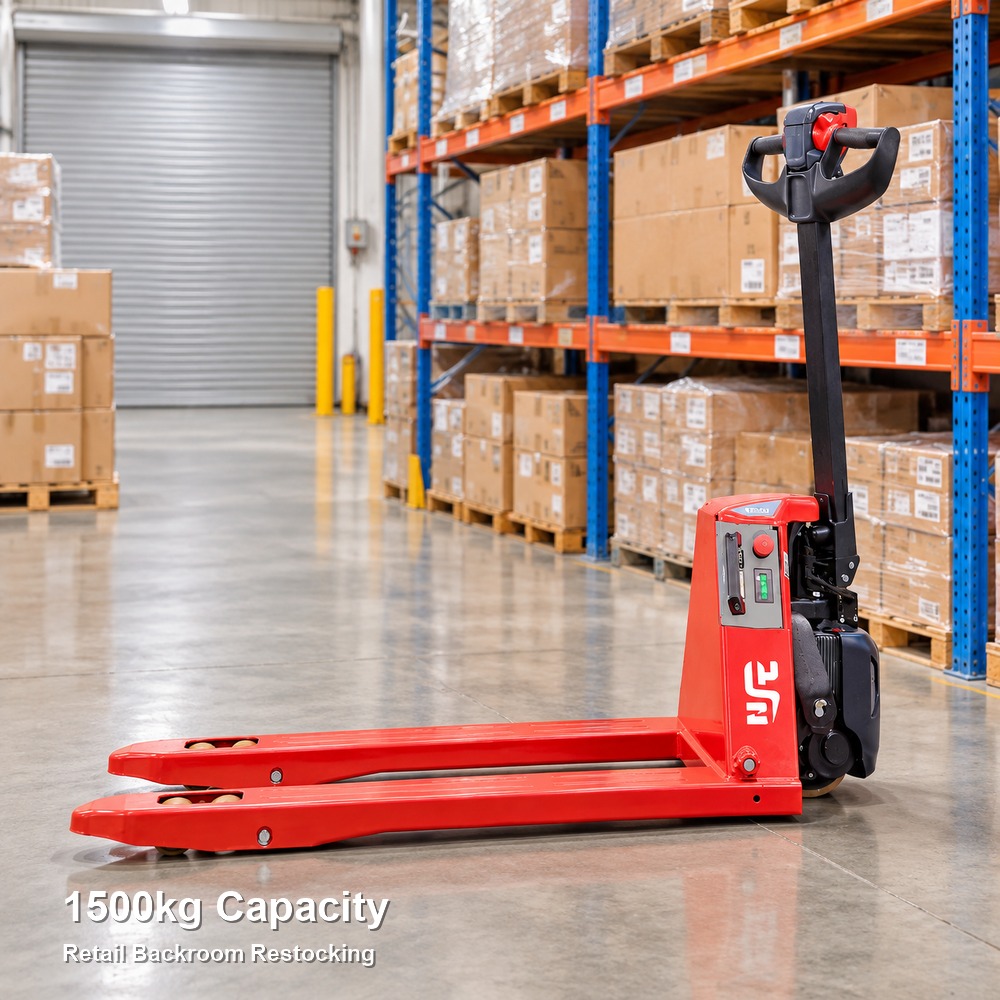
Cold Storage Electric Pallet Jack -20C Working 48V Lithium Battery Pallet Truck Walkie Type 1500kg 2000kg
For frozen warehouses and cold-chain distribution. Confirm cold-rated cells, charger placement, low-temperature hydraulic oil and battery derating at -20°C.
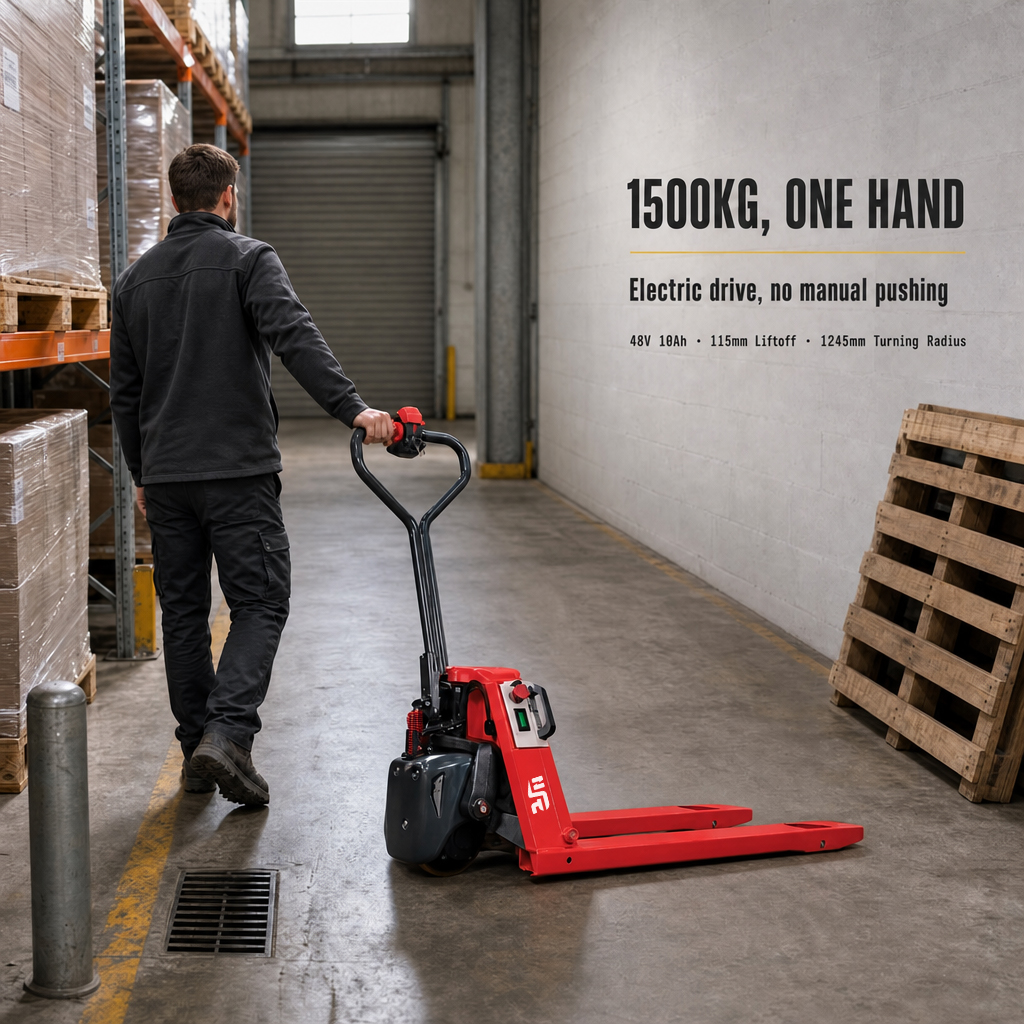
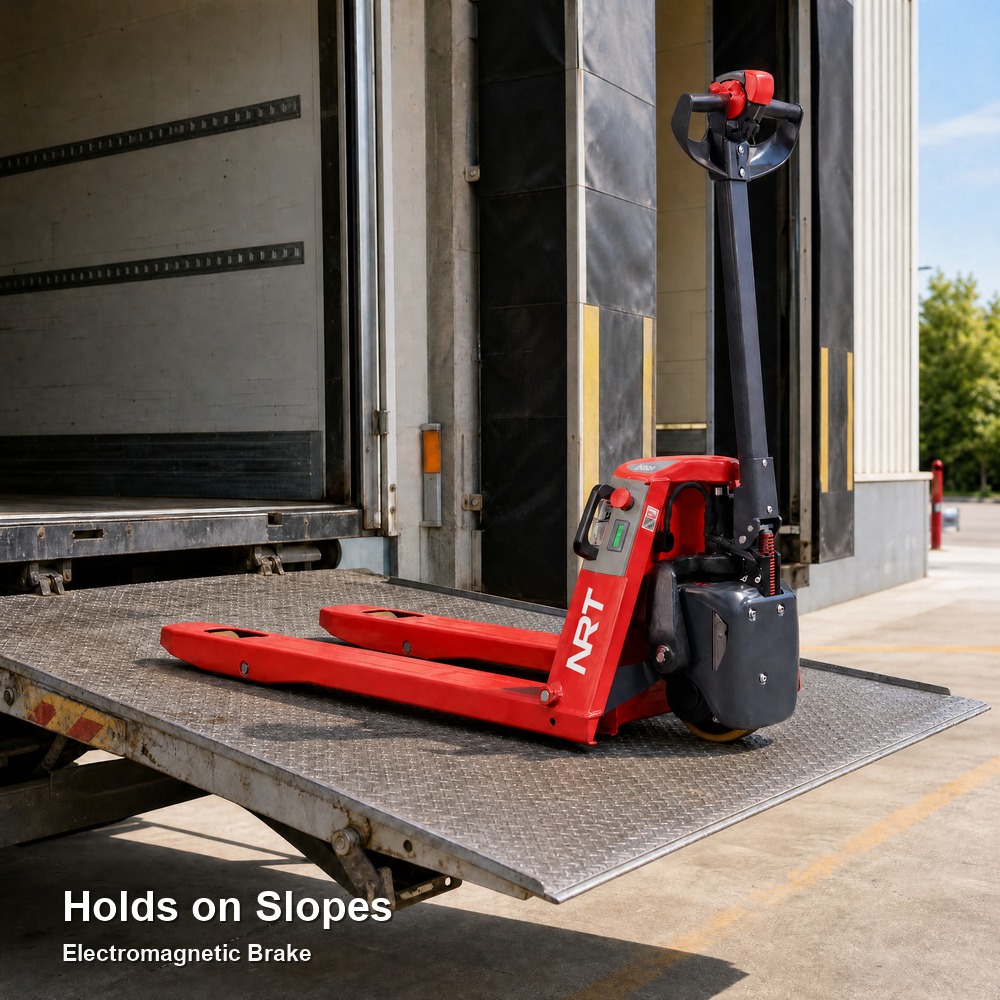
80mm Ground Clearance Electric Pallet Jack 9% Climbing Grade 1450mm Vehicle Length Lithium Pallet Truck for Ramp Use
A low-clearance lithium pallet truck for ramps and dock transitions. The 80 mm clearance, 9% grade capability and 1,450 mm vehicle length help plan inclined dock flows.
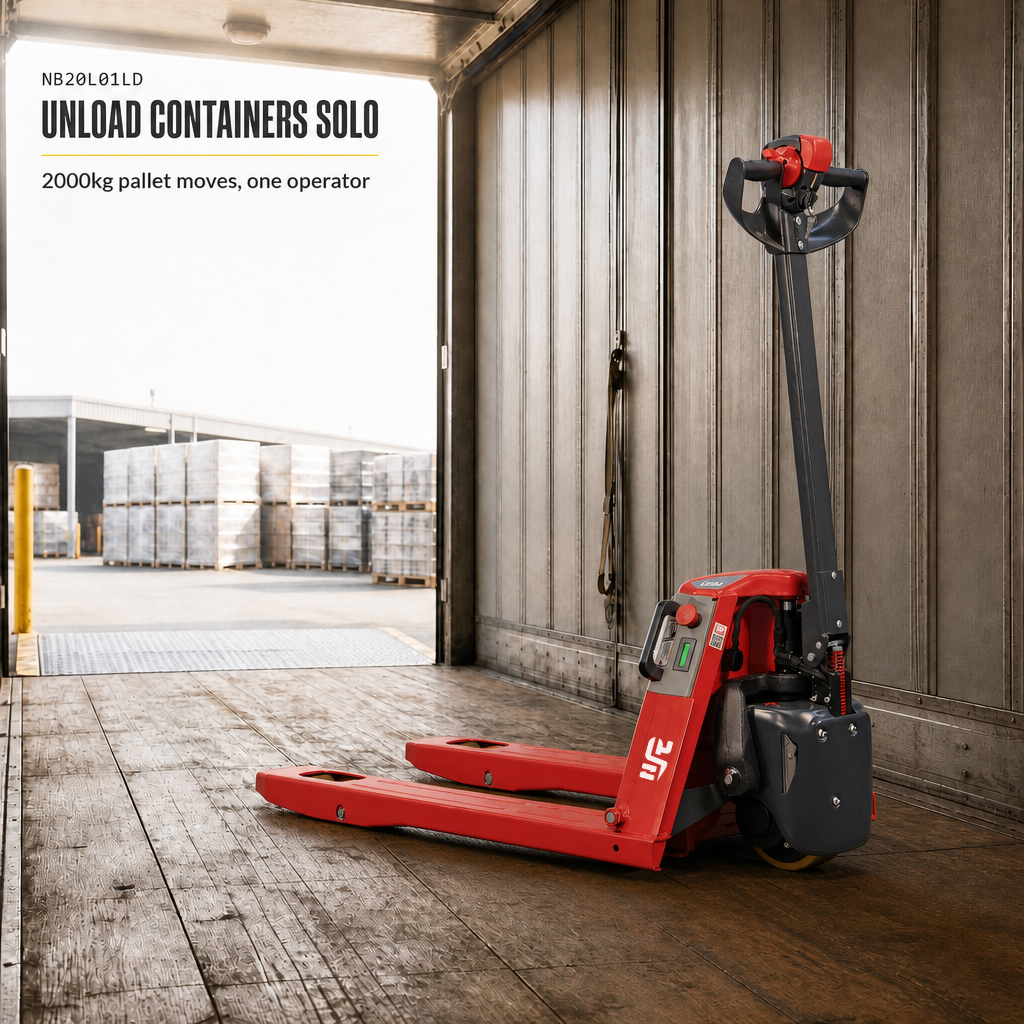
2000kg Electric Pallet Truck Lithium Ion 48V 10Ah Power Jack 1150mm Forks Polyurethane Wheels Container Loading
A 2,000 kg lithium-ion pallet truck with 48V 10Ah power and 1,150 mm forks. Polyurethane wheels and container-loading layout suit export packing and retail DC work.
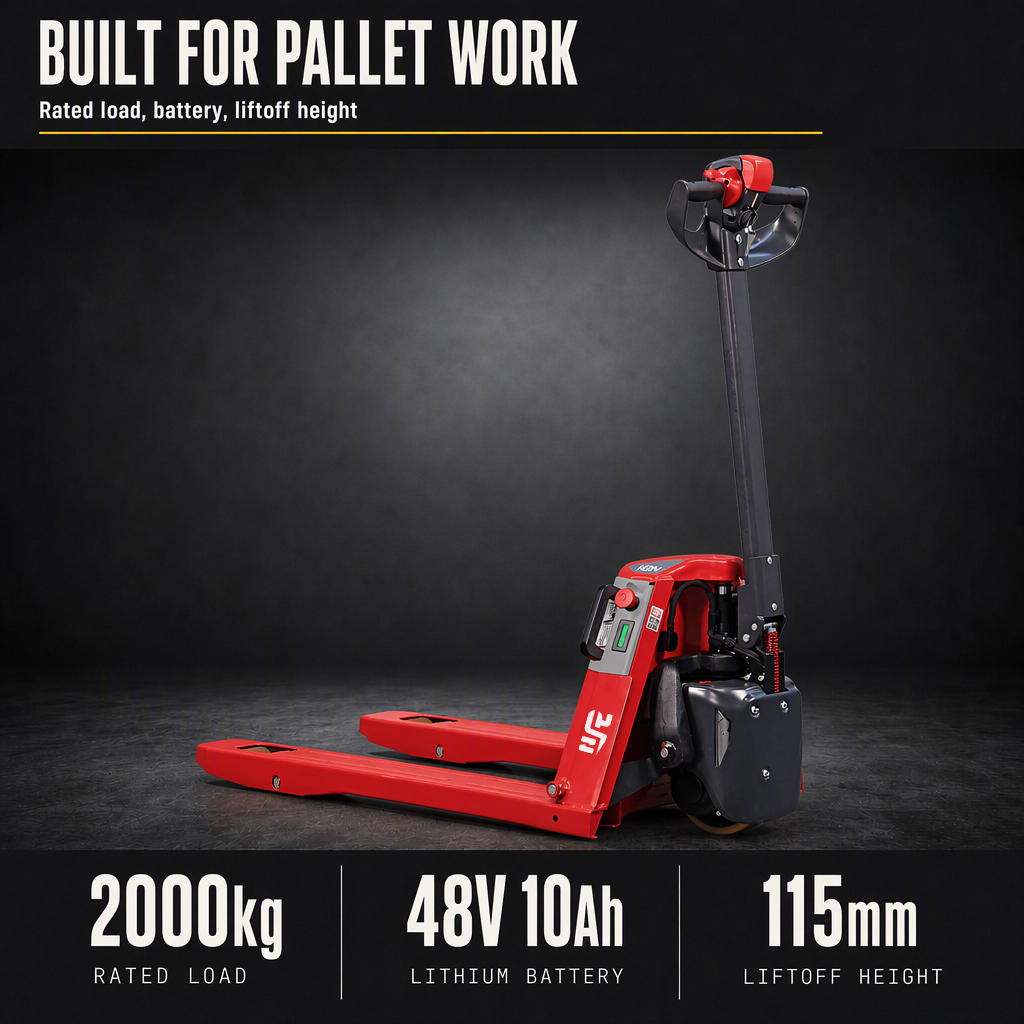
Professional Electric Pallet Jack 2 Ton 2000kg Capacity Heavy Duty Power Pallet Truck with Easy Control System for Warehouse
A heavy-duty 2-ton power pallet truck for warehouses that need simple controls and repeatable daily handling. A practical base model for 3PL and manufacturing buyers.
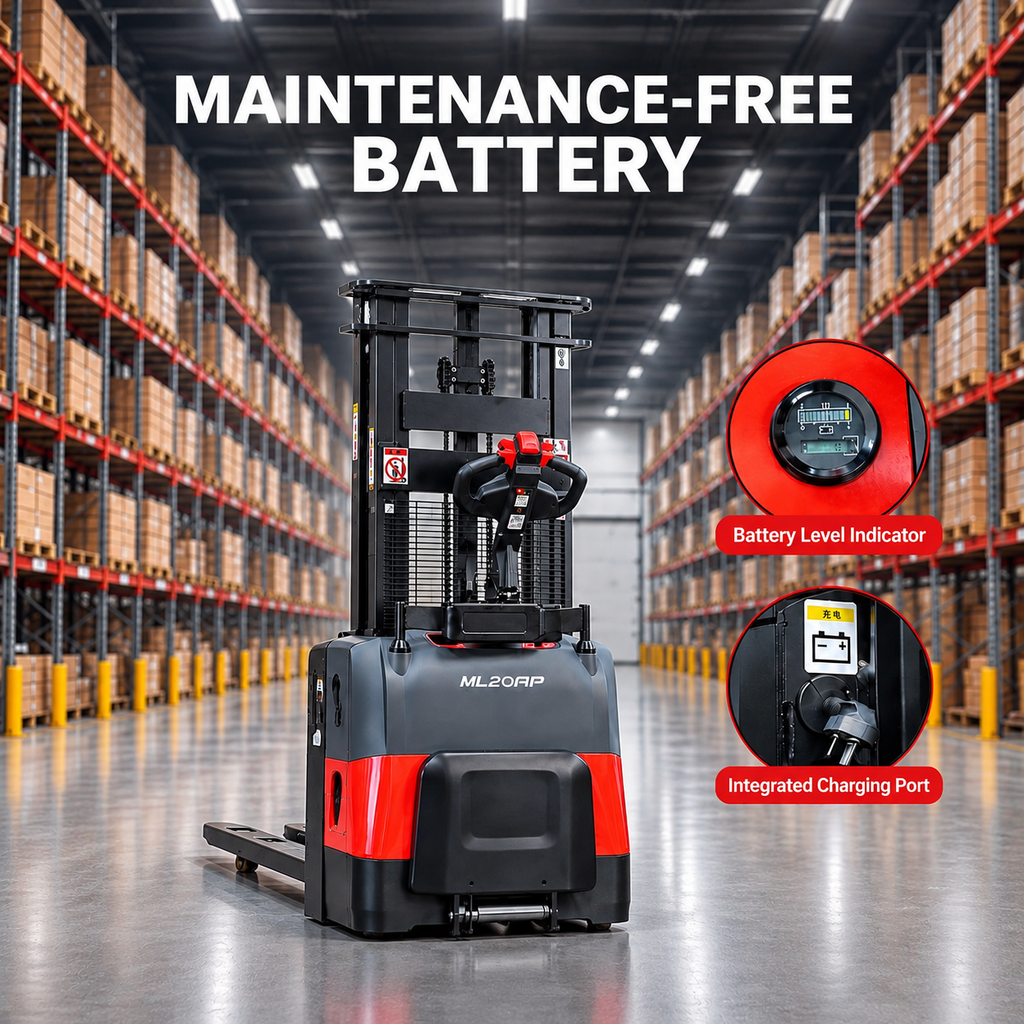
Stacker Forklift Electric 1500kg 2000kg for Retail Backroom Farm Feed Store Pallet Stacking Work
A stacker forklift for retail backrooms, farm feed stores and pallet stacking tasks. Specify mast height, leg design and battery strategy for narrow backroom use.
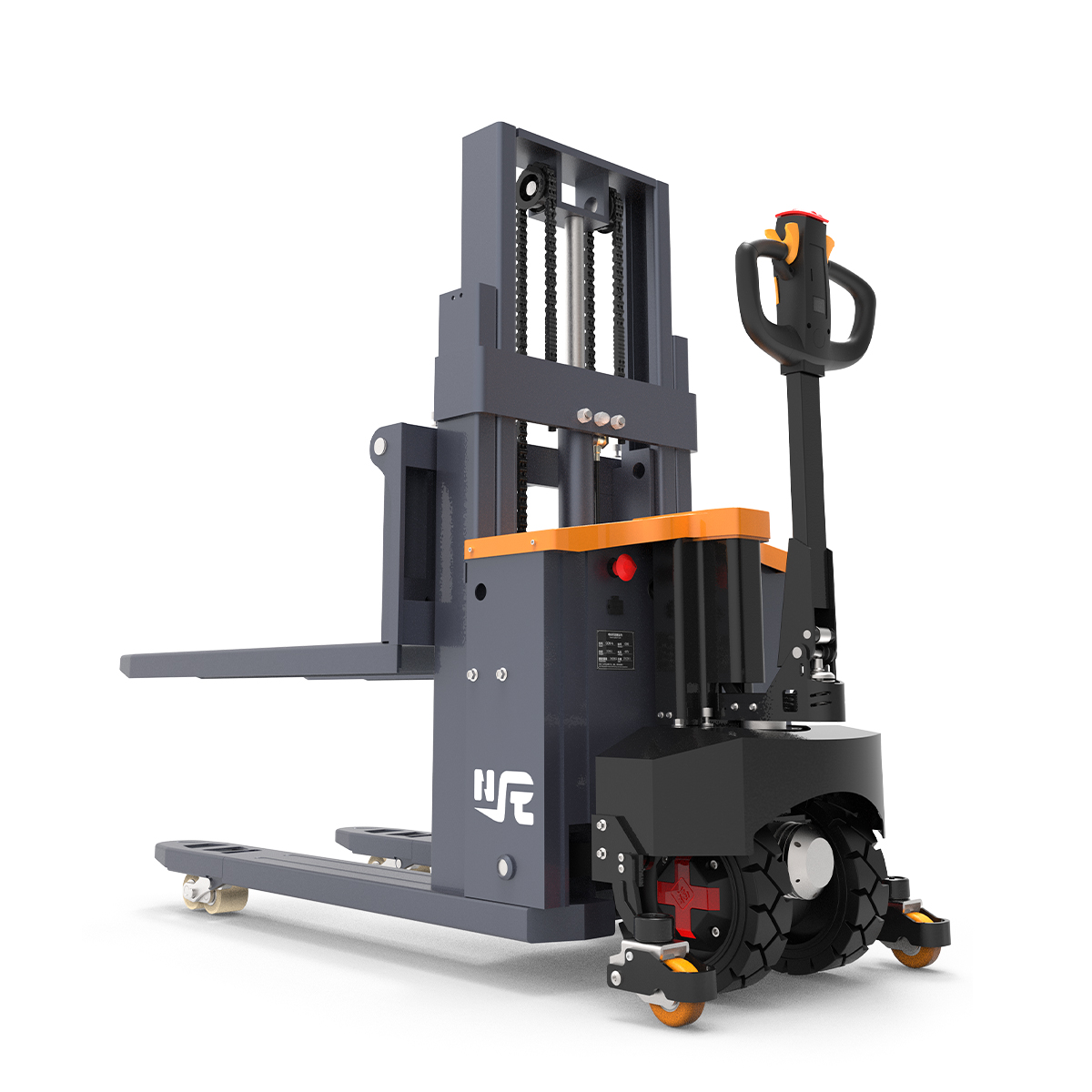
1500kg 2000kg Electric Stacker Pallet Stacker Truck 1.6m 3m Lift Height Warehouse Material Handling Equipment
An electric stacker series with 1.6 m to 3 m lift height for warehouse material handling. Configure mast, fork length and optional straddle legs around racking height and aisle space.
Electric Pallet Jack 1500kg 300mm Slim Body Walkie Pallet Truck for Elevator Freight Box Narrow Aisle Handling
A 1,500 kg slim-body walkie pallet truck with 300 mm body width for elevator freight boxes and narrow aisles. Useful where equipment must enter lifts and small storage rooms.
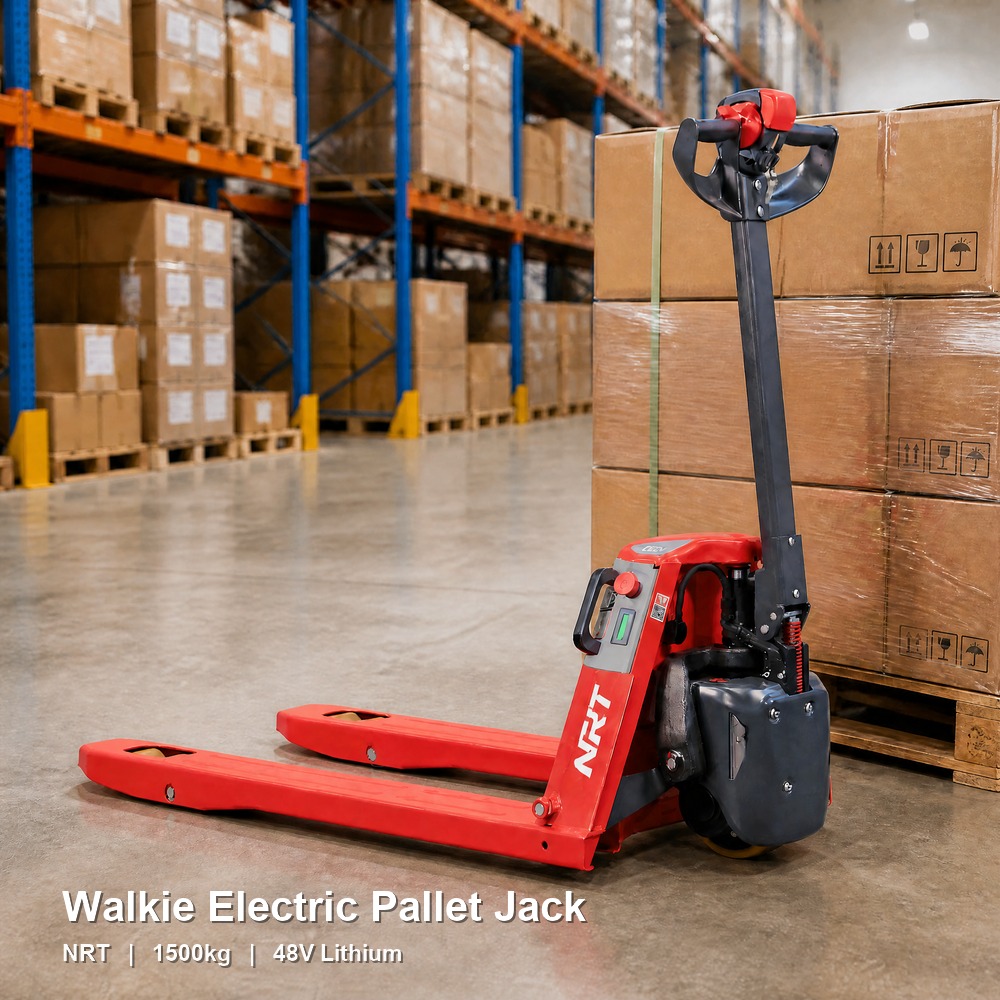
Electric Pallet Jack 1500kg 2000kg Walkie Pallet Truck Battery Powered Lithium Pallet Jack for Warehouse Loading
A 1,500–2,000 kg lithium walkie pallet jack for warehouse loading and horizontal transport. A practical volume model for distributors and rental fleets; ask for charger and spare-parts bundles.
Need a mixed-model quotation, CE documentation matrix or dealer price schedule?
Get a QuoteWhat a CE Certification Dossier Should Prove for an Indoor Electric Forklift
A CE mark is not a generic sticker that can be applied to every unit in a catalogue. For indoor electric forklifts and warehouse trucks, the technical file must match the delivered configuration.
A buyer should ask for a model-specific Declaration of Conformity, risk assessment summary, applicable standards, serial-number traceability and an instruction manual in the destination language. This matters because rated capacity, lift height, mast type, battery chemistry, charger, braking system, emergency stop, speed limits and labels can all change the compliance route.
The usual compliance conversation covers the Machinery Directive 2006/42/EC, EMC Directive 2014/30/EU and Low Voltage Directive 2014/35/EU for chargers. Relevant standards often include EN ISO 3691-1 for industrial trucks, EN 16307-1 for electric trucks and EN 12895 for electromagnetic compatibility. Lithium batteries also need UN 38.3 transport reports and suitable battery management documentation. Wireless options can trigger radio equipment requirements. In other words, CE is a dossier and configuration-control exercise, not a marketing slogan.
Pexal’s export process is built around that reality. Before a quotation is finalised, the sales engineer prepares a compliance matrix for the destination market and the exact model. Where certification or test documentation is required, it is identified at quotation stage rather than after production. This is especially important for distributors who need to resell under their own brand or enter fleet tenders where missing paperwork can delay customs clearance and commissioning.
Declaration of Conformity
Must match the delivered model, serial number, capacity and applicable directives.
Risk assessment
Confirms hazard review for lifting, travel, braking, electrical safety and labels.
Test reports
Supports EN ISO 3691-1, EN 16307-1, EN 12895 and charger compliance where applicable.
Serial traceability
Links the manual, battery, charger and technical file to the unit shipped.
Total Cost of Ownership: The Factors That Decide Fleet Value
The lowest purchase price is rarely the lowest lifecycle cost. An indoor electric pallet truck or stacker is a capital asset whose economics depend on energy, battery cycle life, maintenance labour, downtime and resale. Procurement teams should model a five-year TCO instead of comparing FOB prices alone.
A practical equation is: acquisition + energy + battery replacement + scheduled service + unplanned downtime + compliance and training + disposal or residual value. For battery sizing, ask suppliers for measured energy consumption at your duty cycle. A quick estimate is usable watt-hours divided by average kW draw. Usable watt-hours are nominal voltage × amp-hours × depth of discharge × temperature derating.
At -20°C, both available capacity and charging behaviour change, so cold-chain buyers should require cold-room test data. For ramp use, motor and brake thermal margin matters more than a headline climbing grade. For multi-shift warehouse use, opportunity charging can reduce battery count, but it changes charger placement and electrical infrastructure.
Relative TCO influence map
Qualitative procurement weighting, not a price estimate.
Future Procurement Trends Through 2030
Indoor electric handling is becoming a system purchase rather than a one-off equipment order. Four procurement shifts are already visible in dealer and fleet conversations.
Lithium-first specification
Buyers are moving beyond the lithium label and asking about cycle life, BMS protection, charger compatibility, UN 38.3 reports and replacement-cell availability.
Charging as infrastructure
Procurement teams now model charging windows, peak tariffs, battery rooms and opportunity charging. A complete power package reduces after-sales friction.
Documentation-led tenders
CE files, manuals, spare-parts lists and serial-number traceability are becoming acceptance criteria, not afterthoughts attached to a shipment.
Fleet data and automation readiness
Telematics, speed limiting, pedestrian warning and AGV interfaces are moving from premium options to tender questions for warehouse and 3PL buyers.
Product Development Trends Shaping Indoor Electric Forklifts
Equipment design is moving toward modular power, higher safety intelligence and easier service access. These trends affect what wholesalers should stock and what dealers should quote.
Modular lithium platforms
Shared battery bays and charger families across pallet trucks and stackers reduce inventory risk for dealers and simplify spare-parts planning.
Safety intelligence
Blue spot lights, speed limiting, emergency reverse and pedestrian awareness are becoming practical options for blind corners and mixed traffic.
Ergonomic walkie design
Lower handle effort, clear forward visibility and tool-free service access reduce operator fatigue and support faster training in multi-shift sites.
Cold-chain and hygienic design
Sealed connectors, cold-rated hydraulic oil, corrosion protection and washdown considerations are becoming specification points in food and pharma warehouses.
Slim and narrow-aisle engineering
300 mm body widths, shorter chassis and tight turning radii are expanding electric handling into elevators, urban stores and compact backrooms.
Connected service
CAN-bus diagnostics, fault-code guidance, telematics and predictive maintenance help distributors resolve issues faster and defend service margin.
 Since 2024 · Xiamen
Evidence Before the First Container: Why Pexal Fits Distributor-Style Sourcing
Xiamen Pexal Technology Co., Ltd. was founded in Xiamen, Fujian in 2024 as the sales, service and technical support base for Pexal material handling equipment. The company works with a 220,000 m² partner manufacturing campus employing more than 1,200 people, including over 100 engineers focused on electric warehouse equipment.
Its export focus covers Western Europe, North America, South America, Eastern Europe and Oceania, serving dealers, rental companies and end users. The supplier profile has passed an onsite check and supplier assessment by SGS Group, and the verified company video, credit index, trade capacity and transaction history can be reviewed before a first order.
For wholesalers, the practical advantage is not just product range. It is the ability to connect model selection, CE documentation, customization, export terms and spare-parts planning into one quotation process.
SGS-assessed supply chain
Onsite check and supplier assessment support buyer due diligence.
OEM / ODM customization
Mast, fork length, battery type, colour, logo and attachment configuration can be quoted.
Export terms & payments
FOB, CFR, CIF, EXW, FCA, CPT, CIP, DDP and other terms; T/T, L/C, D/P, D/A and more.
Dealer & wholesale support
Product selection, compliance matrix, container loading plans and spare-parts mapping.

Company & facility overview
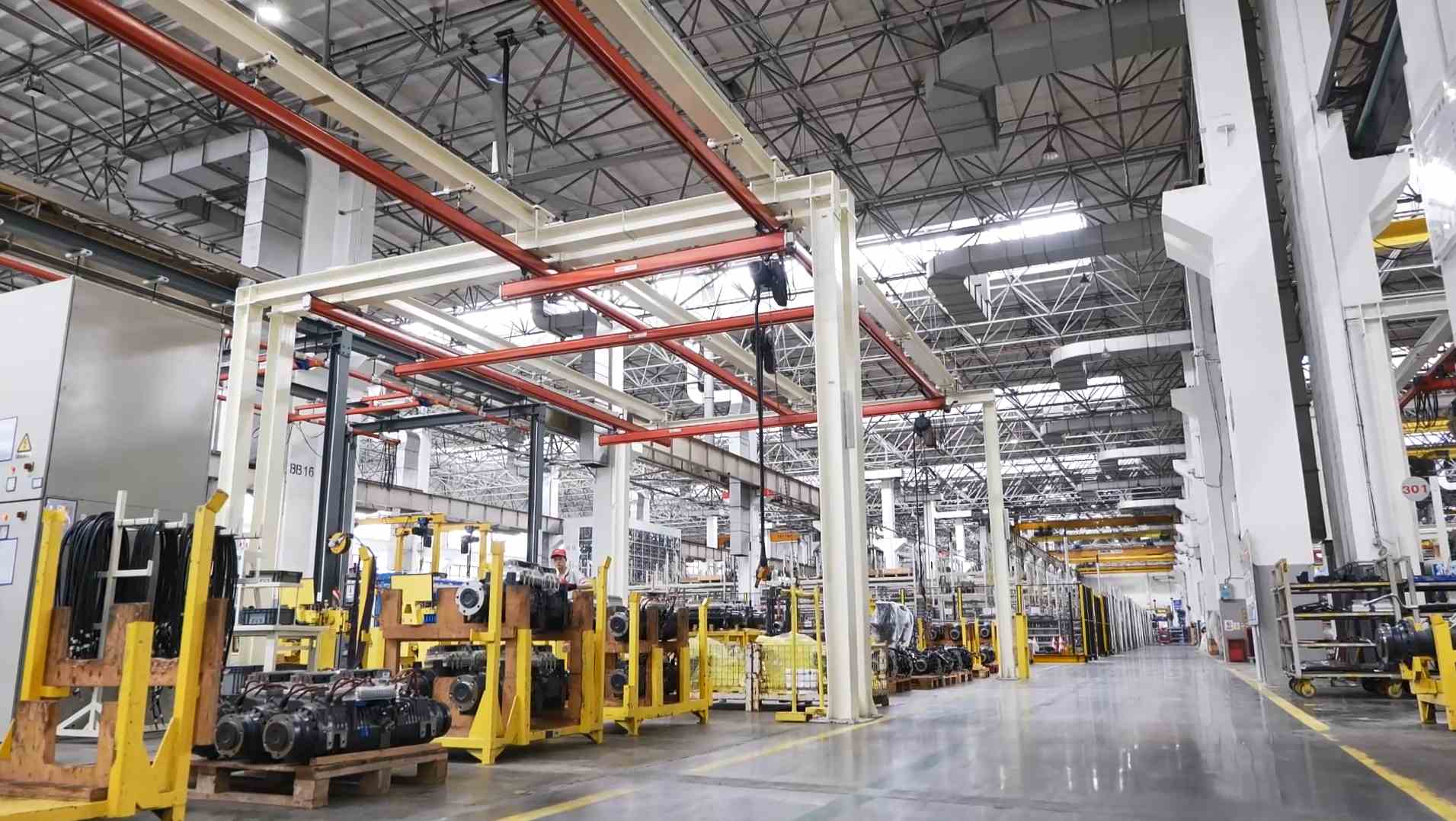
Production workshop
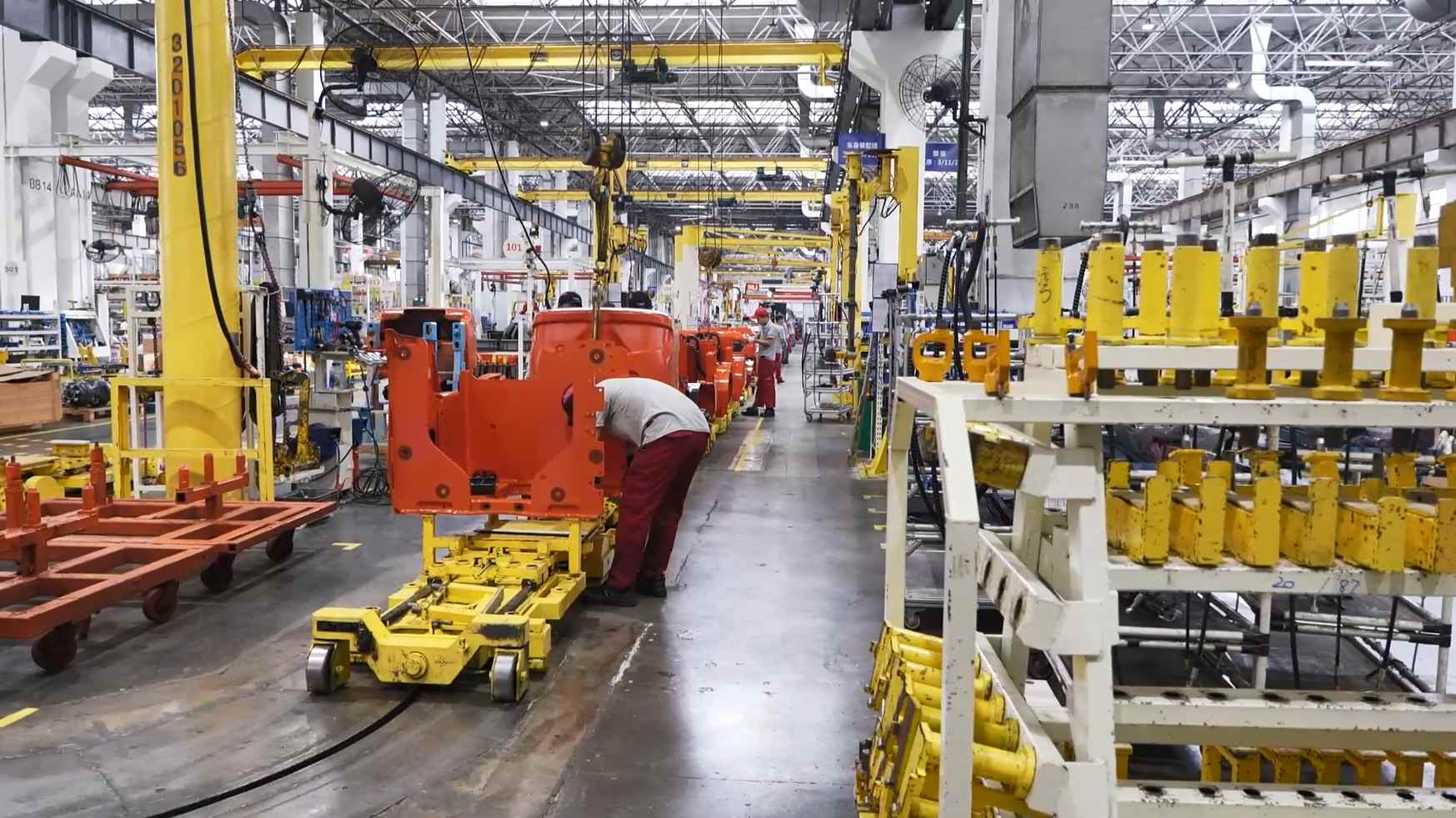
Assembly capability
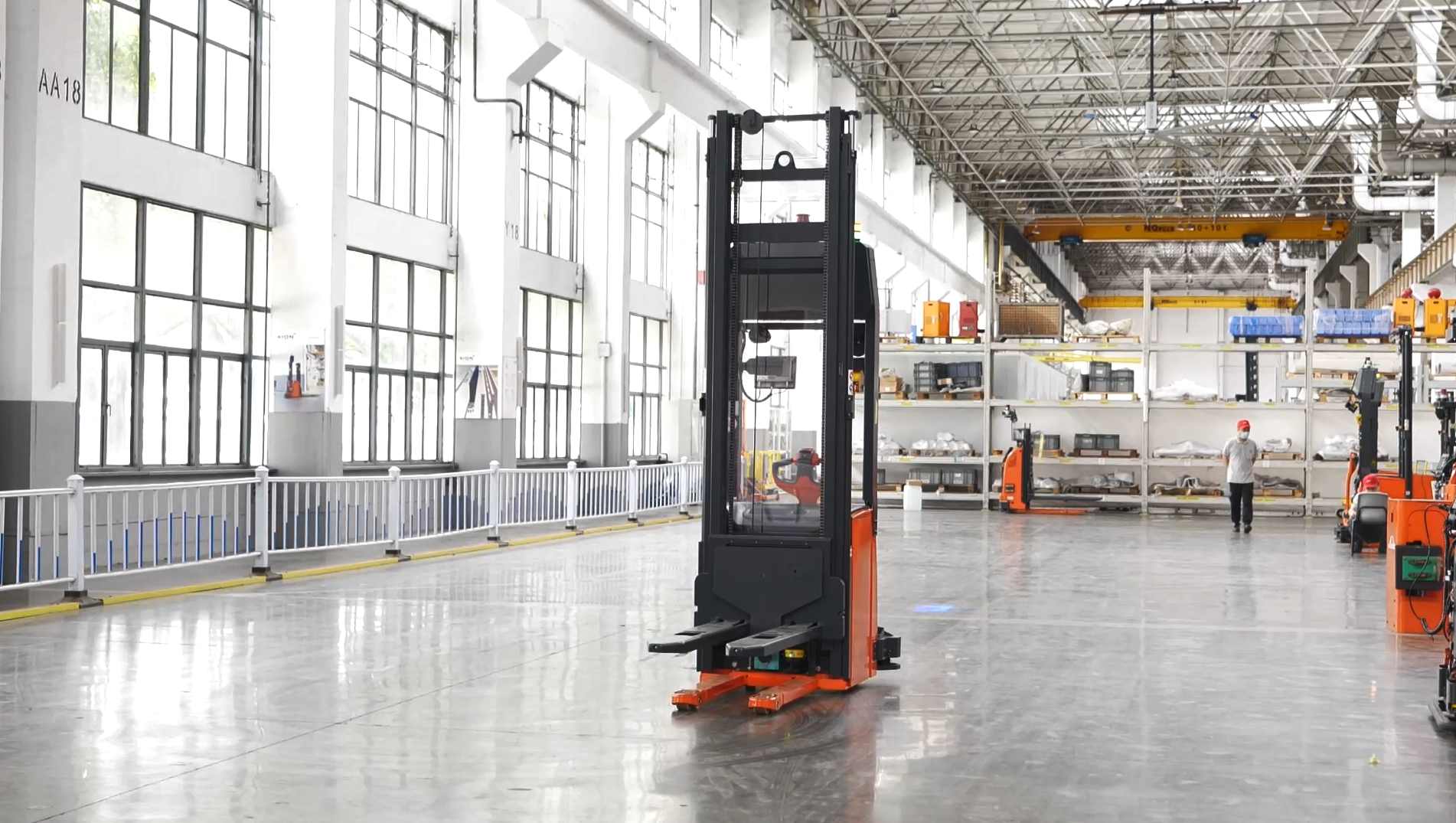
Export packaging
How to Specify the Right Indoor Electric Forklift or Pallet Truck
Start with the load, the aisle and the duty cycle. A supplier who asks only for a capacity is not qualifying the application deeply enough.
| Application | Recommended model group | Why it matters |
|---|---|---|
| Frozen warehouse | Cold storage electric pallet truck | Cold-rated battery, charger and hydraulic oil protect runtime and reliability. |
| Dock or ramp | 80 mm clearance lithium pallet jack | Ground clearance and grade capability affect safe, repeatable ramp use. |
| Container loading | 2000 kg lithium-ion pallet truck | Fork length, wheel type and chassis layout suit confined loading work. |
| Retail backroom | Electric stacker 1500/2000 kg | Stacking height and compact footprint fit small storage areas. |
| Warehouse racking | Electric stacker with 1.6–3 m lift | Mast and leg design must match racking height and aisle width. |
| Elevator or narrow aisle | 300 mm slim-body pallet truck | Body width and turning radius determine access to lifts and tight rooms. |
| General warehouse loading | 1500/2000 kg walkie lithium pallet jack | A practical volume model for distributors, rental fleets and horizontal transport. |
- Maximum load, load centre and pallet type
- Aisle width, turning radius and door height
- Lift height, racking level and fork length
- Floor condition, ramp grade and ground clearance
- Duty cycle, shift pattern and charging window
- Charging location, voltage and electrical safety
- CE destination documents and manual language
- Spare-parts list, service plan and resale support
Common Questions About CE Certified Indoor Electric Forklifts
These are the questions Pexal’s export team most often receives from importers, wholesalers, dealers and fleet managers.
Are your indoor electric forklifts CE certified?
Do you offer OEM, ODM and customized configurations?
Which markets do you export to?
What Incoterms and payment methods do you accept?
How do you control quality before shipment?
Do you provide spare parts and technical support?
What is the minimum order and lead time?
How do I request a CE-ready quotation?
Request a CE-Ready Configuration for Your Market
Share your load, aisle, lift height, duty cycle and destination requirements. Pexal will prepare a model recommendation, documentation checklist and wholesale quotation for your market.