Eight Electric Pallet Trucks and Stackers for Buyer Evaluation
Start with specific models, not generic catalogue claims. The eight configurations below cover slim-body elevator handling, lithium walkie trucks, ramp use, quick-release service access, high-racking stackers and ultra-lightweight distribution duties. For each one, request a model-specific CE document package, load chart and spare-parts list before comparing price.
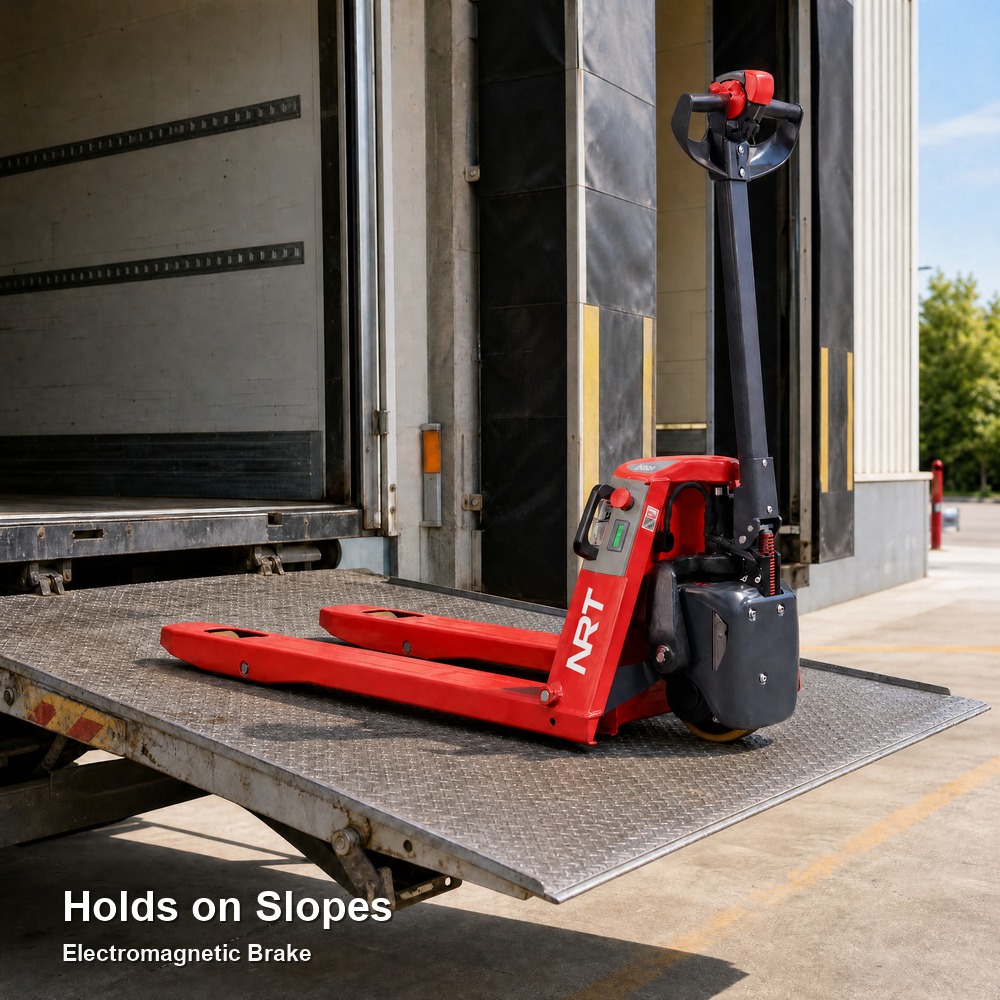
Electric Pallet Jack 1500kg 300mm Slim Body Walkie Pallet Truck for Elevator Freight Box Narrow Aisle Handling
Best suited to tight freight boxes, elevators, retail backrooms and narrow aisles where fork entry height and body width matter.
View model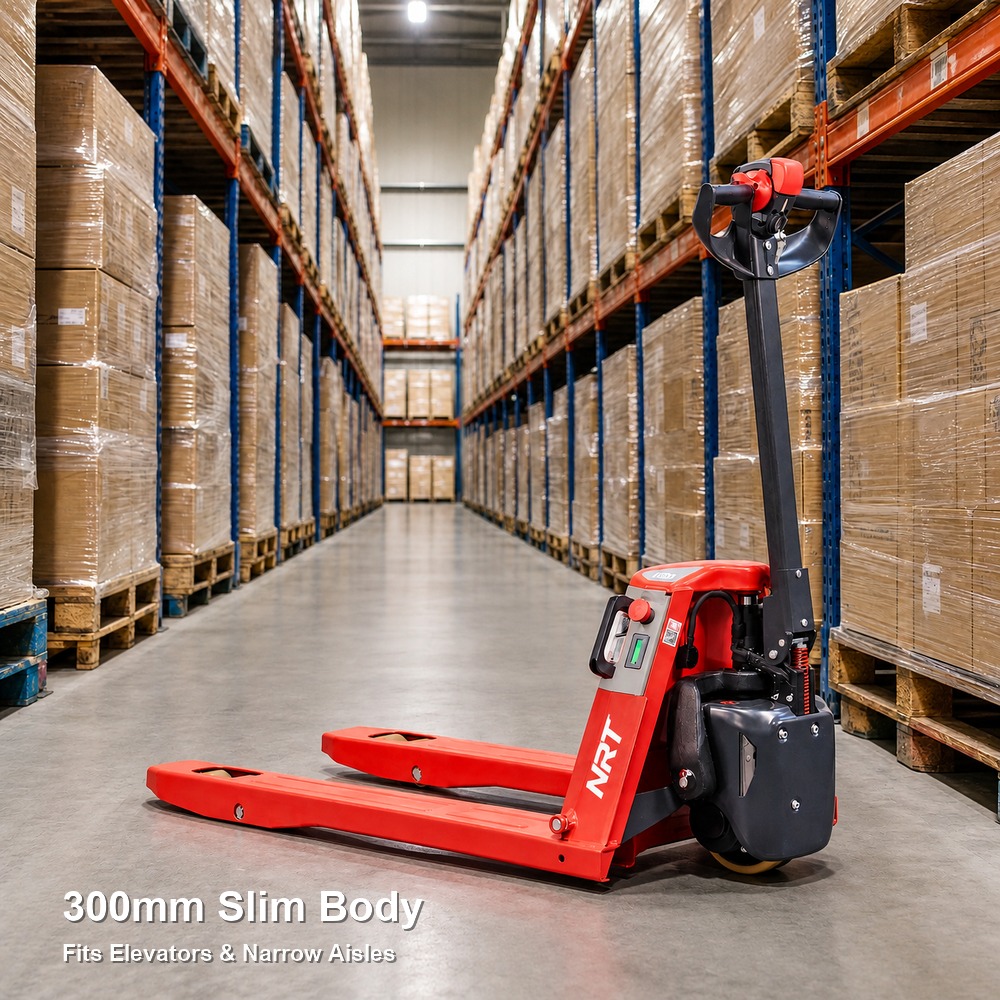
NB15L01LD Electric Pallet Jack 2000kg 48V 15Ah Lithium Battery 850W Fork 1150mm PU Wheels Pallet Truck
A practical standard-warehouse choice for repeated pallet movement, loading zones and lithium-powered fleets.
View model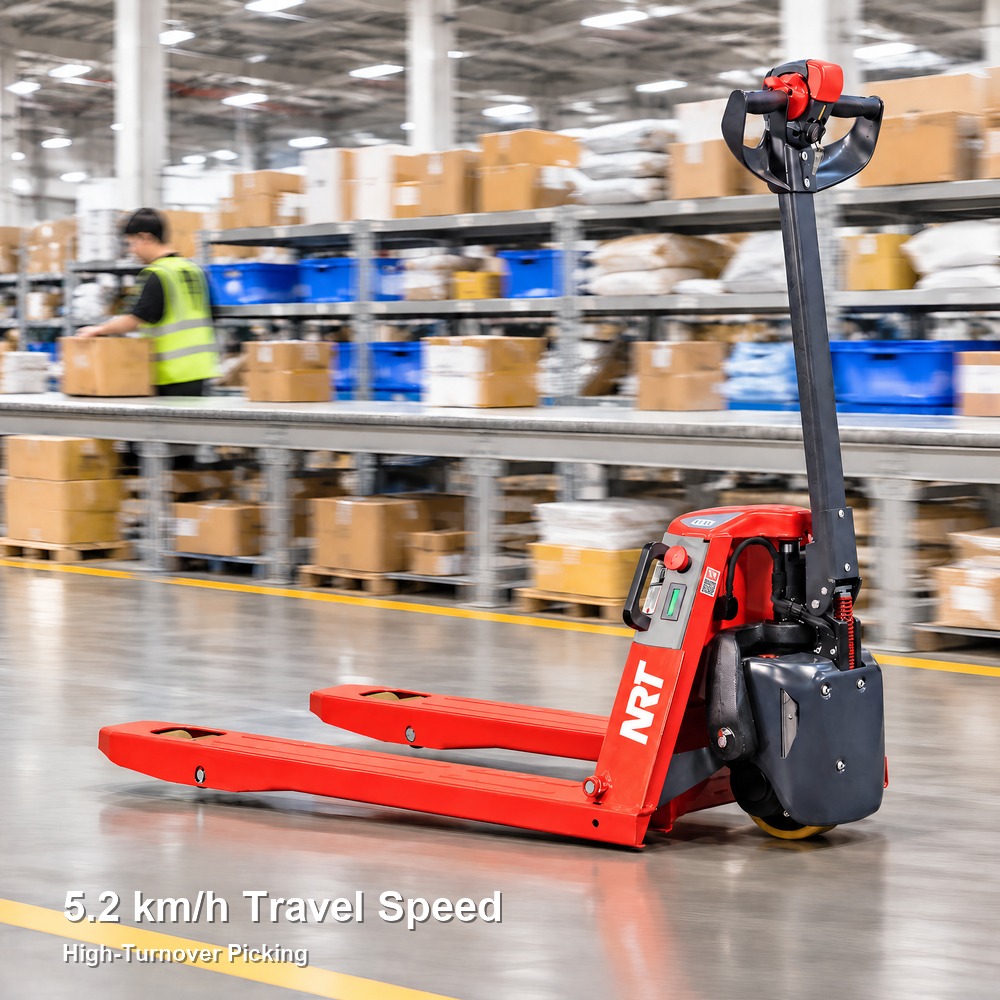
Electric Pallet Jack with Quick Release Drive Wheel 1Min Service 48V Lithium Walkie Pallet Truck 2000kg Capacity
Designed for buyers who prioritize maintenance access, faster wheel service and reduced fleet downtime.
View model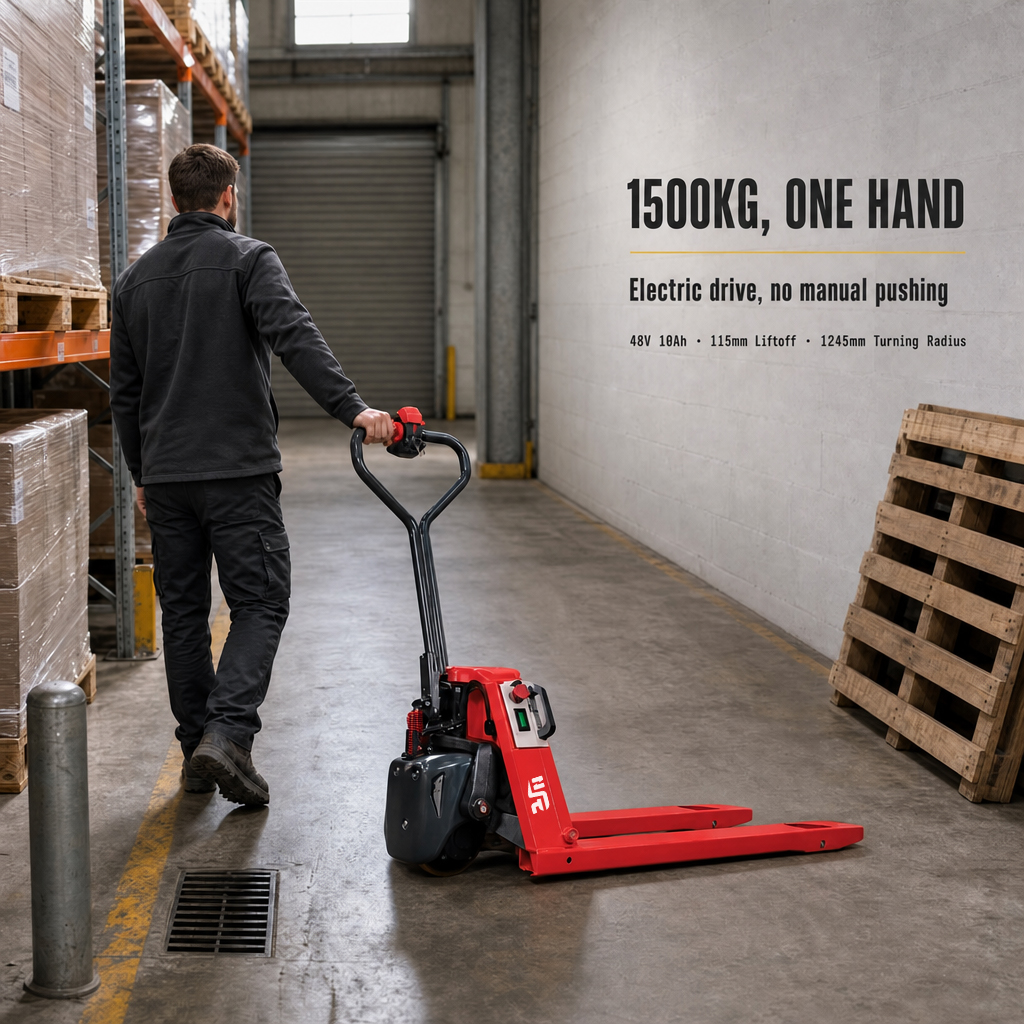
80mm Ground Clearance Electric Pallet Jack 9% Climbing Grade 1450mm Vehicle Length Lithium Pallet Truck for Ramp Use
Targets ramps, dock plates and uneven internal floors where ground clearance and climbing ability affect safety.
View model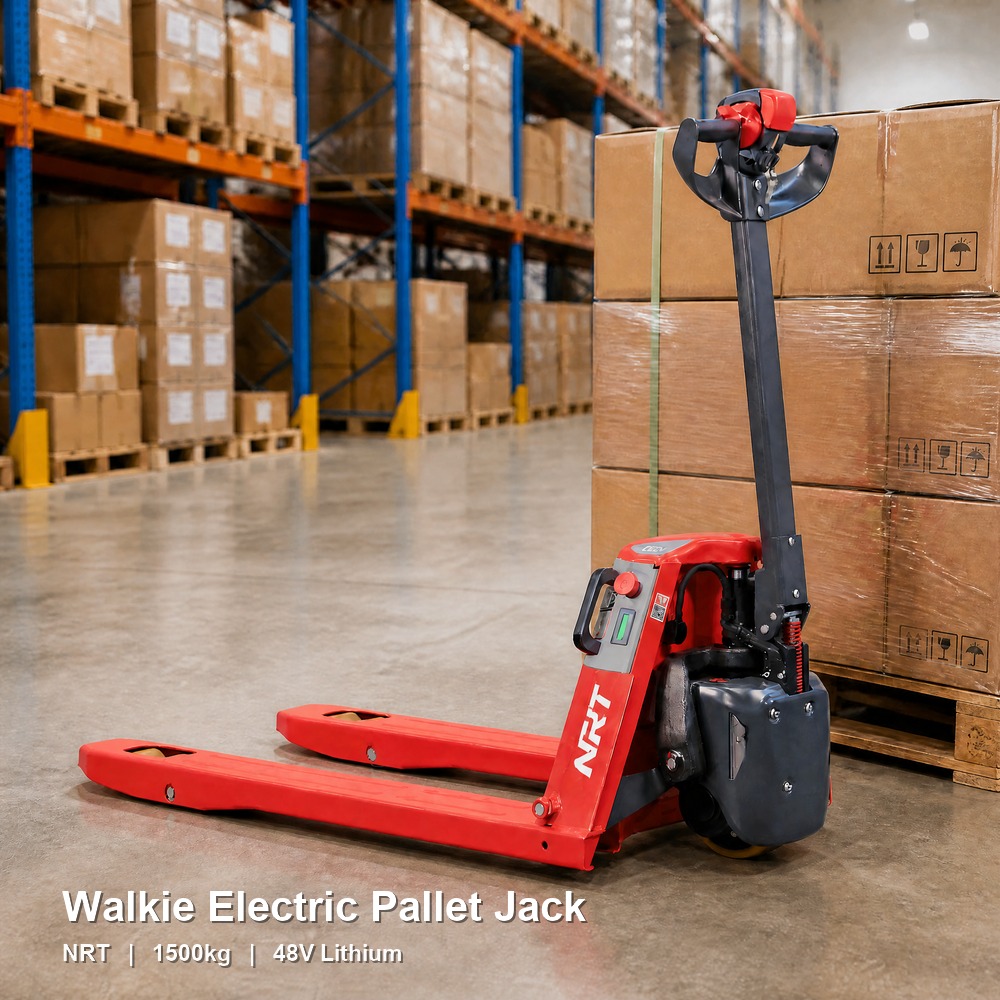
Electric Pallet Jack 1500kg 2000kg Walkie Pallet Truck Battery Powered Lithium Pallet Jack for Warehouse Loading
A flexible capacity band for mixed pallet weights, loading bays and general horizontal transport.
View model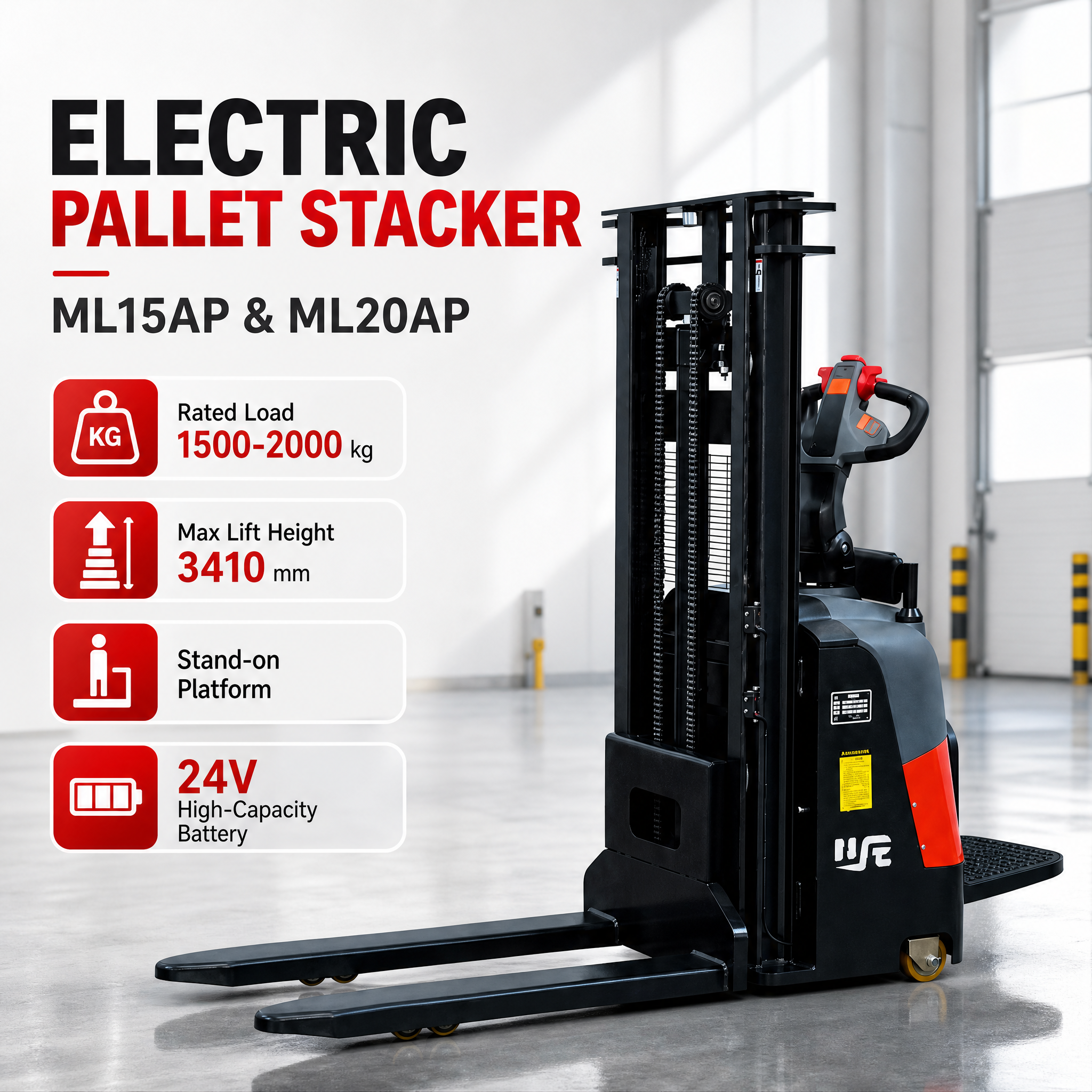
Stand on Electric Stacker 2000kg Centre Mounted Drive Twin Balance Wheels Stable High Racking Stacking
Centre-mounted drive and twin balance wheels support stable stacking in higher racking and repeated lift cycles.
View model
2026 New Alternative Convertidor De Palet Jack a Electrico Ultra-Lightweight 107kg Electric Pallet Jack with Lithium Power
For distributors and service fleets that need easy transport, quick deployment and lithium convenience.
View model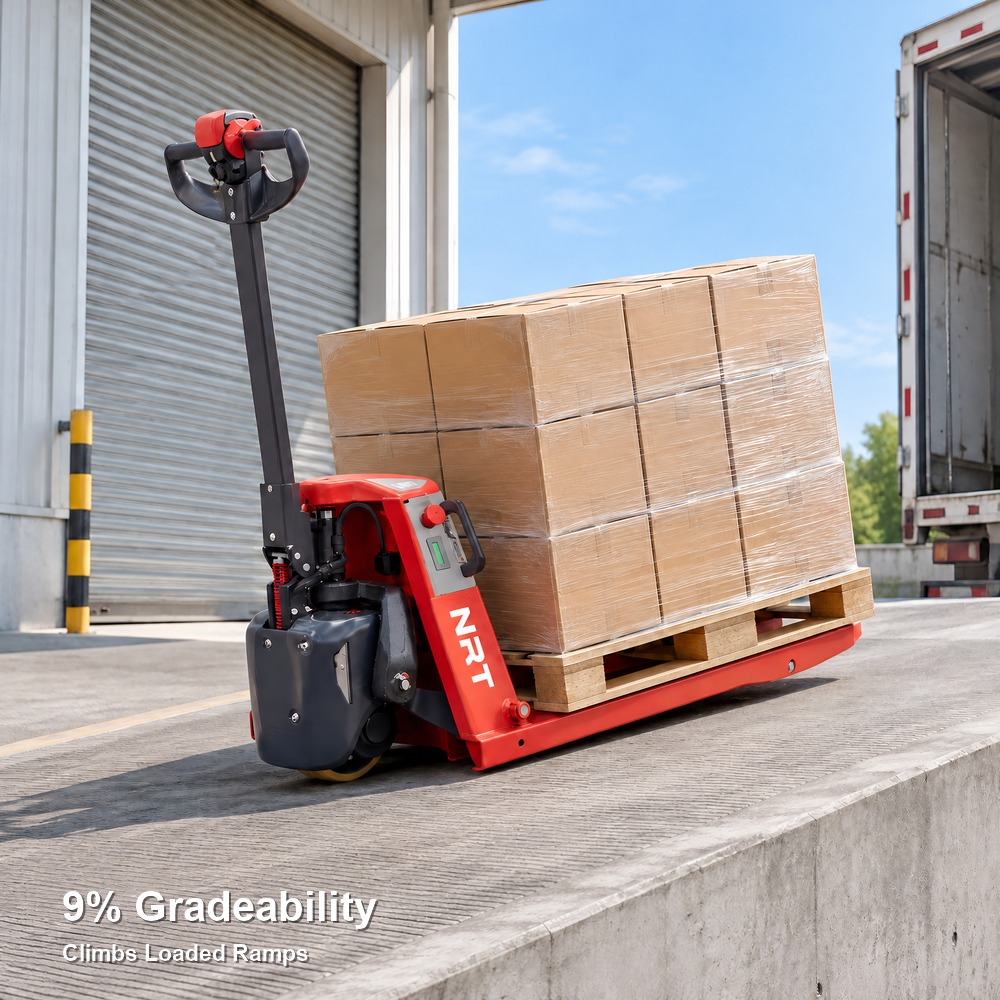
Lithium Battery Electric Pallet Jack Truck 1500kg 2000kg Walkie Pallet Jack Electric Forklift Alternative for Warehouse
A lower-footprint alternative for horizontal movement where a full counterbalance forklift is unnecessary.
View modelWhy This Query Is a Supplier-Qualification Search, Not a Catalogue Browse
The phrase “CE Certified Electric Pallet Stacker Factories & Suppliers” combines three buyer intents: a compliance requirement, a product category and a sourcing preference. A serious supplier page must answer all three with evidence, not adjectives.
Some buyers need a walkie pallet truck for low-level racking and horizontal movement. Others need a stand-on electric stacker for high racking, or a slim-body truck for elevator freight boxes. More experienced procurement teams are comparing a factory-direct Chinese supplier with a European distributor and want proof of CE documentation, load charts, battery safety, spare-parts support and total cost of ownership. The intent is not simply “show me a stacker”; it is “show me a supplier that can be audited, configured and supported after shipment.”
That distinction matters for semantic search. A page that only repeats capacity figures competes on thin information. A page that explains how to verify the CE file, how to compare residual capacity at lift height, how battery strategy affects multi-shift work and how after-sales access is structured gives procurement teams information they cannot get from a basic product grid. This is the practical meaning of information gain: useful, experience-led decision support that reduces uncertainty before an inquiry.
Important CE clarification: for many electric pallet stackers and pallet trucks, CE marking is a manufacturer’s declaration that the model conforms to applicable EU requirements, supported by a technical file, risk assessment and Declaration of Conformity. It is not always a one-page “certificate” issued by a third party for every unit. Buyers should request model-specific documents and serial-number traceability, not just a CE logo in a brochure.
How to Evaluate CE-Certified Electric Pallet Stacker Factories
Before price negotiation, build a document and capability checklist. This is especially important for importers, rental fleets and distributors who must support the product in their own market.
Model-Specific Declaration of Conformity
Ask for a DoC that clearly identifies the model, serial-number range, applicable directives and standards. The document should match the nameplate, manual and quotation, not a generic file used for unrelated products.
Technical File and Risk Assessment
A reliable factory can explain its technical file structure, risk assessment process, safety-related control logic and change-control procedure. These details show whether CE support is engineered into the product or added after the sales inquiry.
Battery, Charger and Electrical Safety
Lithium batteries and chargers need compatible electrical ratings, protection systems, labels and transport documentation. Ask how the BMS, charger, emergency stop and insulation protection are validated for the destination market.
Load Chart and Residual Capacity
Do not compare nominal kilograms alone. Verify capacity at the actual lift height, load centre and attachment configuration. A stacker that lifts 2,000 kg near the floor may have a lower rating at high racking.
Nameplate, Labels and Market-Language Manuals
Check nameplate data, warning labels, operating instructions and maintenance manuals in the language of the destination market. Missing documentation creates training and liability risk for dealers and end users.
Factory Audit and Traceability
Request an onsite-check report, production-line footage, QC records and export history. A third-party assessment does not replace your own due diligence, but it reduces the chance of dealing with an unverified intermediary.
 Xiamen Pexal · Sales, Service & Technical Support
Why Xiamen Pexal Technology Co., Ltd. Fits a CE-Focused Supplier Shortlist
Xiamen Pexal Technology Co., Ltd. was founded in Xiamen, Fujian in 2024 as the sales, service and technical support base for Pexal material handling equipment. It works with a 220,000 m² partner manufacturing campus employing more than 1,200 people, including over 100 engineers dedicated to electric warehouse equipment.
Pexal has passed an onsite check and supplier assessment conducted by SGS Group. That third-party verification matters because buyers can review assessment records, trade capacity, transaction level, trade history and credit index instead of relying on self-written claims. The company also offers sample-based customization, full customization and ODM services, including mast height, fork length, battery type, color, logo and attachment configuration.
Export coverage includes Western Europe, North America, South America, Eastern Europe and Oceania, serving dealers, rental companies and end users. Common delivery terms include FOB, CFR, CIF, EXW, FCA, CPT, CIP and DDP, with payment options such as T/T, L/C, D/P, D/A, Western Union, PayPal, credit card and escrow. Supported currencies include USD, EUR, GBP, JPY, CAD, AUD, HKD, CHF and CNY.
- Full forklift and warehouse truck range
- SGS onsite-assessed supplier
- Sample-based and full customization
- Logistics solution design support
Match the Stacker or Pallet Truck to the Real Handling Constraint
Different models solve different problems. A slim body for an elevator is not the same purchase decision as a stand-on stacker for high racking or a quick-release drive wheel for fleet uptime.
300 mm Slim-Body Truck for Elevator Freight
Choose the 1,500 kg slim-body model when fork entry height, body width and freight-box manoeuvrability are more important than maximum outdoor power.
View configuration2000 kg 48V 15Ah Lithium Walkie Truck
A balanced choice for standard warehouse loading and horizontal movement, with lithium energy that supports opportunity charging and lower maintenance.
View configurationQuick-Release Drive Wheel for Faster Service
For rental fleets and multi-shift operations, service access can be more valuable than a small price difference. Quick wheel release reduces downtime when maintenance is needed.
View configuration80 mm Ground Clearance for 9% Ramp Use
Ramps, dock plates and uneven floors change the risk profile. Confirm climbing grade, floor friction, load centre and braking distance before approving ramp use.
View configuration2000 kg Stand-On Centre-Mounted Stacker
High racking benefits from stable centre-mounted drive, twin balance wheels and confident positioning. Ask for the capacity chart at your target lift height.
View configuration107 kg Ultra-Lightweight Lithium Pallet Jack
Ideal for distributors, retail backrooms and service vehicles where transport weight, quick deployment and lithium convenience influence the buying decision.
View configurationWhat Buyers Will Demand from Electric Pallet Stacker Suppliers Next
Procurement is shifting from sticker-price buying to risk-managed sourcing. The most competitive factories will be those that can document, customize and support the product after delivery.
Total Cost of Ownership Becomes the Buying Unit
Battery life, charger compatibility, wheel wear, service access, downtime and spare-parts logistics will be evaluated alongside the purchase price. Buyers want a machine that earns its keep across the whole contract period.
Lithium-Ion Standardization
Lithium is moving from premium option to default specification in many warehouse truck categories. Procurement teams should still verify BMS quality, charger matching, safety labeling and replacement strategy.
Documentation as Supply-Chain Risk Control
CE files, manuals, battery documents and warranty terms are becoming part of supplier qualification, not an afterthought. A missing document can delay customs clearance, dealer training or end-user acceptance.
Smaller Footprint for Urban Warehouses
Rising rents and elevator-based deliveries favor compact equipment with tight turning radii, slim bodies and low fork-entry profiles. The 300 mm slim-body class is likely to remain highly relevant.
Serviceability Beats Locked-In Complexity
Dealers want fast access to wear parts, clear wiring diagrams and simple diagnostics. Designs that require special tools or obscure parts can create hidden cost and slow after-sales response.
Audit-Based Qualification Replaces Price-Only Sourcing
Third-party assessment, clear company identity, export records and live factory verification will carry more weight than anonymous low-price offers. Buyers are building supplier panels, not one-off deals.
Where Electric Pallet Stackers and Walkie Trucks Are Heading
Product development is converging around energy management, safety electronics, operator ergonomics and modular customization. The winning designs will be easier to service, not just more feature-rich.
Opportunity Charging and Smarter Energy Management
Shorter charging windows and better battery monitoring allow trucks to work around shift patterns. Future purchasers will ask for state-of-charge visibility and charger matching as standard.
Smart Safety and Telematics Moving Down Market
Access control, speed limiting, impact logging and fleet dashboards are no longer limited to large forklifts. Small stackers and walkie trucks are beginning to adopt similar safety electronics.
Ergonomics for Higher Operator Throughput
Handle shape, tiller effort, visibility, vibration and control placement influence fatigue. In warehouses with high turnover, ergonomic design becomes a productivity and training issue.
Compact High-Lift Geometry
Warehouses want more storage density without wider aisles. This drives demand for stable stackers with centre-mounted drive systems, reinforced masts and precise low-speed control.
Modular Customization and Faster ODM Delivery
Dealers need differentiated colors, logos, fork lengths, battery options and attachments without a completely new engineering project. Modular platforms help factories customize without sacrificing quality control.
Circularity and Remanufacturing
Battery replacement, motor rebuilding and hydraulic component refurbishment will influence resale value. Suppliers that publish service intervals and parts diagrams will be better positioned for long-term fleet accounts.
What Buyers Compare Before They Request a Quote
Price is only one checkpoint. The following priorities reflect questions commonly raised in material handling RFQs and supplier audits. Use them as a qualification checklist, not as a market forecast.
A Practical Inquiry Checklist
Send these details in the first message to get a more accurate stacker or pallet truck recommendation and fewer revision cycles.
Four Steps to a Lower-Risk Stacker Purchase
A disciplined process shortens negotiation and reduces the chance of receiving equipment that looks correct on paper but fails in daily operation.
Map the Duty Cycle
Record maximum load, load centre, lift height, aisle width, floor surface, ramp grade, shift length and charging windows. These inputs determine model type before brand comparison begins.
Verify CE and Battery Files
Ask for a model-specific DoC, technical-file summary, nameplate photo, manual language, battery and charger documentation. Confirm that the file matches the exact model you are buying.
Validate the Factory
Review onsite-check evidence, production capacity, QC process, export records and customization capability. A live video call or third-party audit can reveal more than a polished PDF brochure.
Lock Service and TCO
Compare warranty terms, spare-parts availability, consumable pricing, training support and shipment terms. The best quote is the one that remains predictable after the first year.
Inside the Partner Manufacturing and Support Network
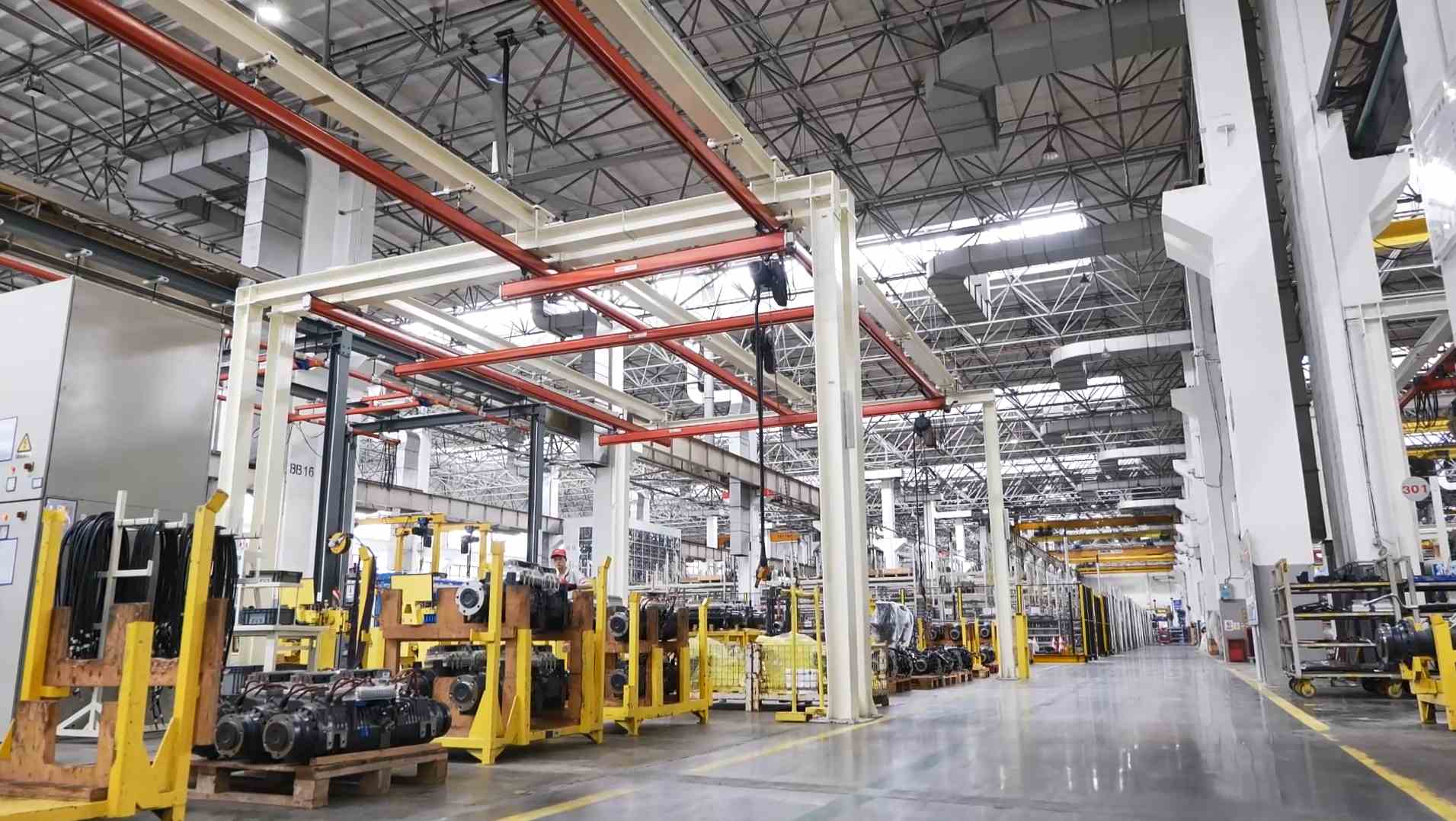
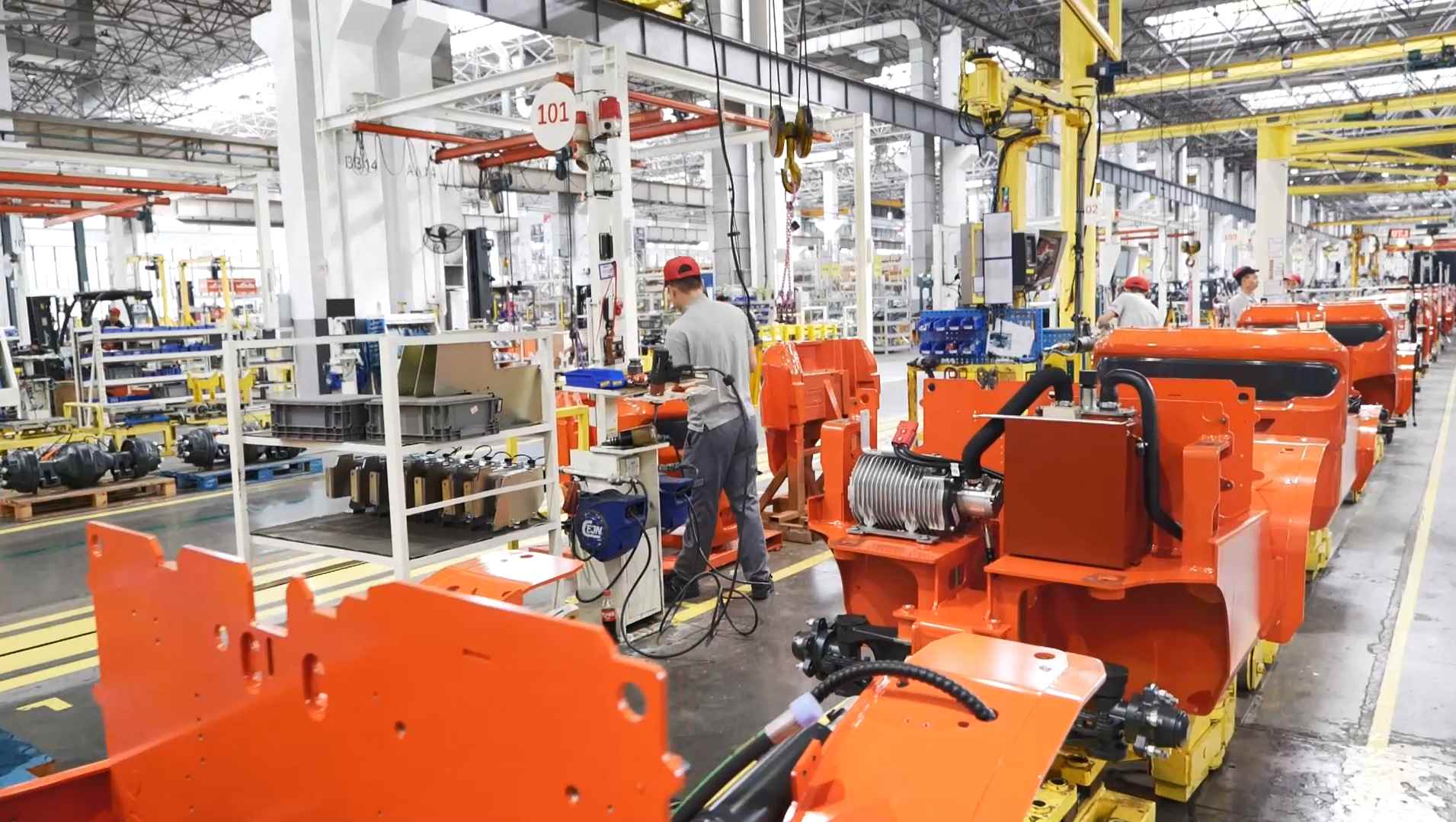
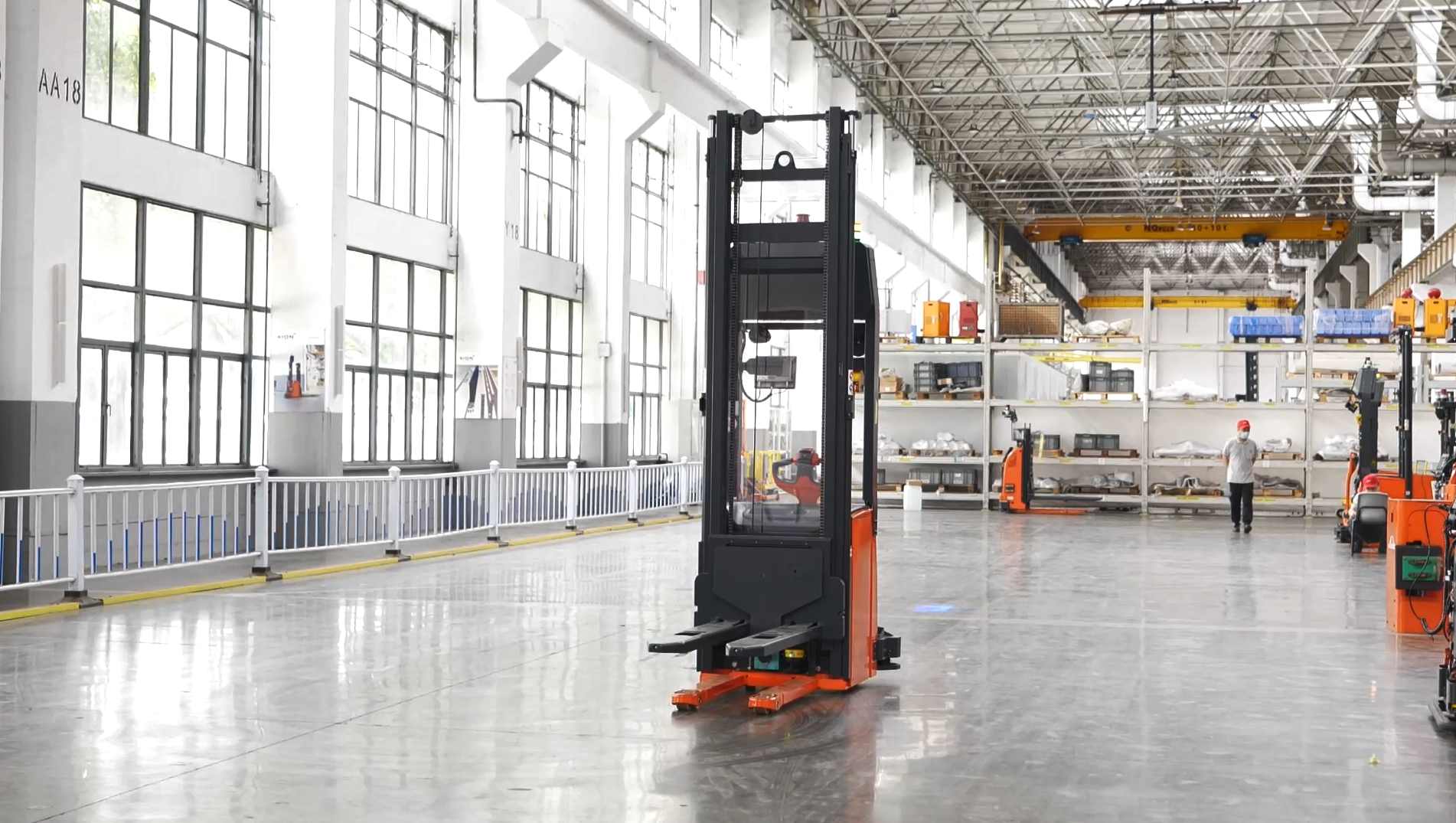
Buyers should be able to see the operation behind the quotation. These images reflect the production, inspection and export environment behind the Pexal material handling range.
 Company & Facility Overview
 Production Workshop
 Quality Inspection
 Export Packaging & Shipment
Electric Pallet Stacker Supplier FAQs
Direct answers to the questions procurement teams ask most often when comparing CE-marked warehouse trucks and factory-direct suppliers.
What does “CE certified electric pallet stacker” actually mean?
How can I verify a stacker factory in China before placing an order?
Should I choose a 1,500 kg or 2,000 kg electric pallet stacker?
Is lithium-ion always better than lead-acid for warehouse trucks?
Can electric pallet trucks be used on ramps, elevators and freight boxes?
What is the typical MOQ and lead time for electric pallet stackers?
Which Incoterms and payment methods are realistic for this category?
How do I avoid a trading company that pretends to be a factory?
Request a Model-Specific Quote and CE Document Checklist
Share your maximum load, lift height, aisle width, floor condition, ramp grade, shift pattern, destination port and voltage requirement. The Pexal team can then recommend a stacker or pallet truck configuration and prepare the commercial documents for review. Email: info@pexalbot.com